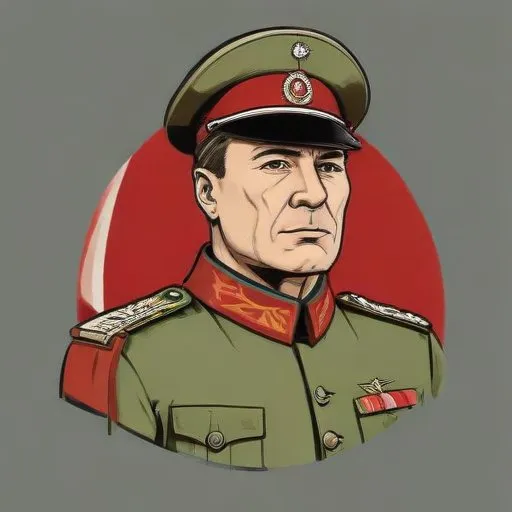
Idel Jakobson: The Notorious NKVD Officer
Infamy and Atrocities
Idel Jakobson, a name synonymous with terror and brutality, is notoriously known for his involvement in sentencing over 1,200 people to death and persecuting at least 1,800 individuals during his tenure as an NKVD officer. His methods of interrogation, characterized by sadistic beatings and other forms of torture, earned him a reputation as one of the most feared men in the Soviet Union.
Early Life and Career
Born on August 12, 1904, in Jēkabpils, Russian Empire (now Latvia), Jakobson's early life is shrouded in mystery. However, it is known that he became involved with the Jewish cultural society Licht in the 1930s, after which he moved to Estonia. In 1931, he was arrested in Tallinn on suspicion of subversive activities against the Republic of Estonia, but was later granted amnesty and deported to Latvia in 1938.
Rise to Notoriety
Jakobson's return to Estonia in 1940, following the June communist coup, marked the beginning of his illustrious career as an NKVD officer. He swiftly rose through the ranks, becoming the head of the investigations department of the NKVD of the Estonian SSR in September 1940. His brutal methods and unwavering dedication to the Soviet regime earned him the respect and fear of his comrades.
Investigations and Death Sentences
Jakobson's investigations were carried out in accordance with the Vyshinsky doctrine, which presumed guilt without trial. This ideology allowed him to arrange death sentences for 621 people, most of whom were ethnic Estonians, including prominent politicians like Ado Birk and Jaan Hnellson.
Flight and Return
In July 1941, Jakobson fled Estonia, only to return in 1944, where he continued to serve as the head of the investigation department until 1950. During his time in Russia and Ukraine, he was involved in several high-profile cases, solidifying his reputation as a ruthless and efficient investigator.
Expulsion and Rehabilitation
In 1953, Jakobson was expelled from the Communist Party of the Soviet Union (CPSU) for visiting a private Jewish canteen and concealing the fact. However, his membership was restored in 1956, allowing him to continue his career unimpeded.
Legacy and Investigation
In the 1990s, an investigation into Jakobson's activities during his NKVD career was launched, but the case never reached the court, as Jakobson passed away on September 12, 1997, in Tallinn, Estonia. Despite his notorious past, Jakobson's legacy remains a testament to the darker aspects of human nature and the dangers of unchecked power.
Personal Milestones and Key Life Events
- 1904: Born in Jēkabpils, Russian Empire (now Latvia)
- 1930s: Involved with the Jewish cultural society Licht
- 1931: Arrested in Tallinn, accused of subversive activities against the Republic of Estonia
- 1938: Granted amnesty and deported to Latvia
- 1940: Returned to Estonia, became an NKVD officer
- 1941: Fled Estonia
- 1944: Returned to Estonia, continued as head of investigation department until 1950
- 1953: Expelled from CPSU for visiting a private Jewish canteen and concealing the fact
- 1956: CPSU membership restored
- 1997: Died in Tallinn, Estonia
FAQ
Who is Idel Jakobson, and what role did he play in the NKVD?
Idel Jakobson was a Latvian-Estonian officer who served in the NKVD, a Soviet law enforcement agency, during World War II. He played a significant role in the agencys operations in Estonia and Latvia.
What were Idel Jakobsons duties as an NKVD officer?
As an NKVD officer, Idel Jakobson was responsible for carrying out arrests, interrogations, and executions of those deemed enemies of the Soviet state. He also oversaw the deportation of thousands of people to Siberian labor camps.
How did Idel Jakobsons actions impact the people of Estonia and Latvia?
Idel Jakobsons actions as an NKVD officer had a devastating impact on the people of Estonia and Latvia. Thousands of innocents were arrested, imprisoned, and executed, leaving families and communities traumatized for generations.
What is Idel Jakobsons legacy in the modern era?
Today, Idel Jakobson is remembered as a symbol of Soviet oppression and terror. His actions serve as a reminder of the atrocities committed during World War II and the importance of promoting human rights and dignity.
Is Idel Jakobson still a controversial figure in modern Estonia and Latvia?
Yes, Idel Jakobson remains a controversial figure in modern Estonia and Latvia. While some view him as a patriot who served his country, others see him as a ruthless enforcer of Soviet rule who perpetrated human rights abuses.