


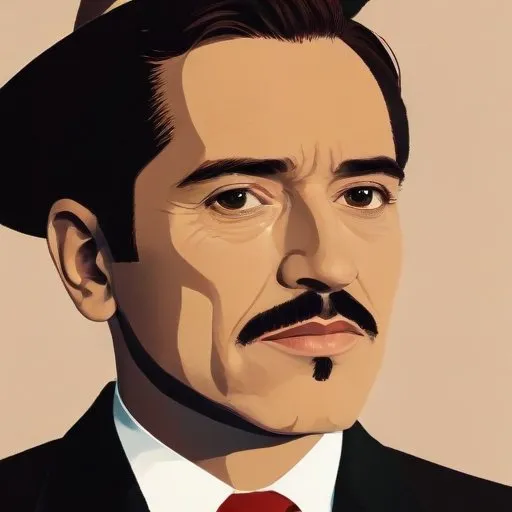
Ignacio López Tarso, a name synonymous with excellence in Mexican cinema, is revered for his remarkable career spanning over six decades, with a filmography that boasts over 50 movies, documentaries, and short features. This illustrious actor is best known for his captivating performances on stage, film, and television, earning him the prestigious Ariel Award for Best Actor for his role in Rosa Blanca in 1973.
Born on January 15, 1925, in Mexico City, López Tarso's early life was marked by frequent relocations due to his father's job, allowing him to experience various cities across Mexico. His fascination with acting began when he was around 89 years old, after watching a play in Guadalajara. This spark of inspiration ignited a passion that would propel him toward a legendary career.
López Tarso's educational pursuits were hindered by economic constraints, but he persevered, joining seminaries in Temascalcingo and Mexico City. It was during this time that he developed a love for reading oral poetry and classical plays, which laid the foundation for his future success.
A stint in the military service, where he rose to the rank of First Sergeant, taught him discipline and further fueled his determination to succeed. Post-military service, he worked as a sales agent for a clothing company in Mexico City, all the while nurturing his dream of becoming an actor.
López Tarso's breakthrough came with his debut film, Trotacalles, in 1954. This marked the beginning of an illustrious career, with notable performances in films like Rosa Blanca, El Bolero de Raquel, and La Chamuscada. His versatility as an actor was evident in his ability to seamlessly transition between stage, film, and television.
Throughout his career, López Tarso received numerous accolades, including multiple TVyNovelas Awards and the coveted Ariel de Oro lifetime achievement award in 2007. At the time of his passing, he was one of the last surviving stars from the Golden Age of Mexican cinema, a testament to his enduring impact on the industry.
Ignacio López Tarso's remarkable career serves as a beacon of inspiration for aspiring actors. His dedication, perseverance, and passion for his craft have left an indelible mark on Mexican cinema. As one of the oldest living actors from the Golden Age, his legacy continues to influence contemporary actors, ensuring his timeless impact on the world of cinema.
Through his remarkable body of work, López Tarso has left behind a treasure trove of cinematic gems, ensuring his memory will be cherished for generations to come. His remarkable journey, marked by excellence and perseverance, serves as a testament to the power of following one's dreams, and his influence will continue to inspire future generations of actors and filmmakers alike.
Born in 1914
A renowned actress who captivated audiences with her striking beauty and talent, starring in over 40 films, including Mexican cinema classics, and becoming a cultural icon of the 1940s and 1950s.
Born in 1917
A legendary actor and singer who dominated Mexico's Golden Age of cinema, starring in over 60 films and recording hundreds of songs, earning him a revered status as a cultural icon.
Born in 1924
A Mexican actress who won an Academy Award for Best Supporting Actress for her role in "High Noon" and was known for her fiery, passionate performances. She was a trailblazer for Latinas in Hollywood.
Born in 1904
A stunning beauty and talented actress, she was the first Latin American crossover star in Hollywood, starring in films like "Ramona" and "Bird of Paradise" during the 1920s-1930s.
Born in 1911
A beloved comedian and filmmaker who charmed audiences with his witty humor and clever physical comedy, leaving a lasting impact on Mexican cinema and beyond.
