


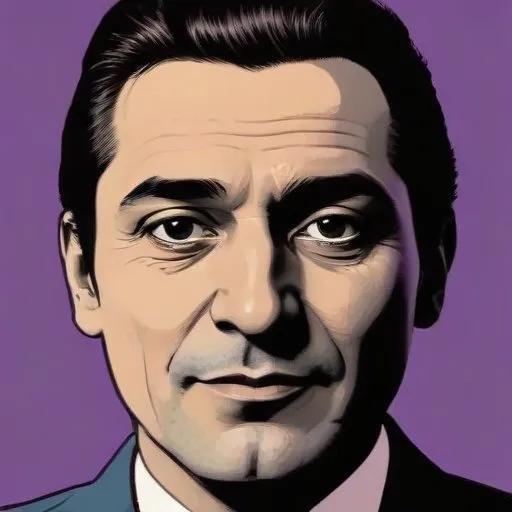
A Romanian journalist and author who wrote influential works of fiction and non-fiction, including novels, short stories, and essays, that explored social and cultural issues of his time.
Ioan Slavici, a distinguished Romanian writer and journalist, left an indelible mark on the country's literary landscape. Best known for his contributions to the development of Romanian literature, Slavici's remarkable body of work spans across numerous genres, including comedy, drama, and fiction.
Born on January 18, 1848, in the village of Vilgos (now Iria), Romania, Slavici was raised in a family of modest means. His parents, Sava and Elena Slavici, instilled in him a deep love for learning, which would later propel him to become one of Romania's most revered writers. Slavici's educational pursuits took him to various institutions in Transylvania, where he was taught in Hungarian or German. He went on to become a member of the Romanian Lecture Society, solidifying his commitment to the Romanian language and culture.
Slavici's path crossed with Mihai Eminescu, Romania's national poet, in 1871, while serving in Vienna as part of his military service. This chance encounter proved pivotal in Slavici's life, as Eminescu became a mentor and confidant, encouraging Slavici to hone his literary skills. Slavici's debut in Convorbiri literare (Literary Conversations) in 1871, with the comedy Fata de biru (The Mayor's Daughter), marked the beginning of a prolific career.
Slavici's versatility as a writer is evident in his diverse range of works, including novels, short stories, and plays. Some of his notable works include:
Slavici's editorial contributions to newspapers such as Timpul (The Time) and Vatra (The Hearth) further solidified his reputation as a respected journalist and writer.
In 1903, Slavici was awarded the Romanian Academy Award, a testament to his immense contribution to Romanian literature. This prestigious accolade recognized his tireless efforts to promote Romanian culture and language.
Slavici's writing has had a profound impact on Romanian society, providing a nuanced portrayal of rural life and the struggles of the common people. His works continue to inspire new generations of writers, perpetuating a rich literary heritage.
Slavici's life and work are inextricably linked to the tumultuous era in which he lived. His writing reflects the complexities and challenges of Romania's transformation from an agrarian society to a modern nation-state. As a founding member of the Young Romania Social and Literary Academic Society, Slavici played a pivotal role in shaping Romania's cultural identity.
Ioan Slavici's remarkable legacy serves as a beacon for Romanian writers and intellectuals, inspiring them to continue exploring the complexities of human experience through literature.
Slavici's life was marked by significant events that shaped his writing and worldview. Some key milestones include:
Through his writing, Slavici continues to captivate audiences, offering a unique window into Romania's past and present.
Born in 1850
A renowned Romanian writer and poet, celebrated for his romantic and patriotic works that explored the human condition, love, and national identity.
Born in 1840
A Romanian philosopher, academic, and politician who served as Prime Minister of Romania, known for his contributions to the country's cultural and political development. He played a significant role in shaping Romania's national identity and education system.
