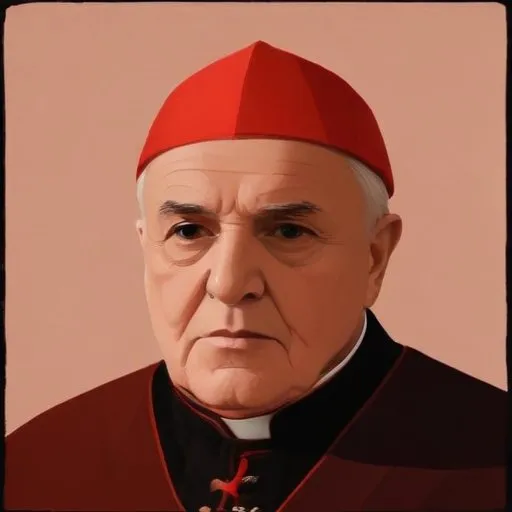
Ippolito d'Este: The Cardinal of Ferrara and Archbishop of Esztergom
A Life of Power and Intrigue
Ippolito d'Este, a member of the esteemed House of Este of Ferrara, is renowned for his influential roles as a Roman Catholic cardinal and Archbishop of Esztergom. Throughout his life, he navigated the complex web of Renaissance politics, solidifying his position as a skilled diplomat and negotiator.
Early Life and Ecclesiastical Career
Born on March 20, 1479, in Ferrara, Italy, Ippolito was the son of Duke Ercole I d'Este and
Eleanor of Naples. From a young age, he was destined for a career in the Church, and by the age of three, he was named Abbot Commendatory of Casalnovo. In 1485, at the tender age of six, he received his first tonsure, solidifying his commitment to the clergy. Two years later, he was appointed Archbishop of Esztergom in Hungary, a position he would officially assume at the age of 18.
A Life of Diplomacy and Politics
Ippolito's career was marked by his exceptional diplomatic skills, which he employed to support the ducal house of Ferrara and negotiate with the Pope on their behalf. He spent considerable time at the Hungarian court, studying and refining his diplomatic prowess. His extensive network of connections and alliances made him a formidable figure in Renaissance politics.
Personal Milestones and Key Life Events
- 1487: Departed Ferrara for Hungary, accompanied by his cousin, Bishop Nicol Maria d'Este of Adria
- 1505: His elder brother, Alfonso, became Duke of Ferrara and married Lucrezia Borgia
- 1520: Passed away on September 3, at the age of 41
Influence on Modern Society
Ippolito's impact on modern society is multifaceted. His diplomatic efforts helped shape the course of Renaissance politics, while his ecclesiastical career demonstrated the importance of education and personal relationships in the Church. His ability to navigate complex political landscapes serves as a testament to the enduring value of diplomacy and negotiation.
Philosophical Contributions and Beliefs
While Ippolito's philosophical contributions are not as well-documented, his life and actions reflect a deep commitment to his faith and a strong sense of duty. His diplomatic efforts were guided by a desire to maintain peace and stability, rather than pursuing personal gain or power.
Visual Timeline and Milestones
| 1479 |
Born in Ferrara, Italy |
| 1485 |
Received first tonsure at the age of six |
| 1487 |
Appointed Archbishop of Esztergom in Hungary |
| 1505 |
Brother Alfonso becomes Duke of Ferrara |
| 1520 |
Passed away on September 3 |
Legacy and Historical Context
Ippolito d'Este's life and legacy serve as a window into the complex world of Renaissance politics and the Church. His diplomatic prowess, combined with his ecclesiastical career, solidify his position as a key figure of the time. As a member of the esteemed House of Este of Ferrara, his influence extended far beyond his individual accomplishments, shaping the course of European history.
FAQ
What was Ippolito dEstes role in the Italian Wars?
Ippolito dEste played a significant role in the Italian Wars, serving as a cardinal and a military leader, and playing a key role in the Battle of Ravenna.
How did Ippolito dEstes family influence his career?
Ippolito dEstes family, the House of Este, was a powerful and influential family in Italy, and his family connections helped him secure his position as a cardinal and military leader.
What were Ippolito dEstes contributions to the arts?
Ippolito dEste was a patron of the arts, commissioning works from prominent artists and architects, and his court was known for its cultural achievements.
How did Ippolito dEstes military campaigns shape Italys borders?
Ippolito dEstes military campaigns helped shape the borders of Italy, particularly in the Romagna region, and secured key territories for the Este family.
What is Ippolito dEstes legacy in Italian history?
Ippolito dEstes legacy lies in his role as a military leader, patron of the arts, and influential figure in Italian politics during the Renaissance.