


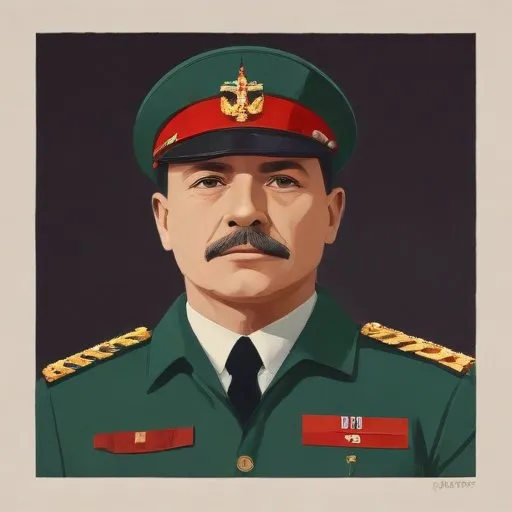
A Hungarian fighter pilot and politician who served as deputy regent during World War II, known for his heroic military service and brief tenure as the head of state. He played a significant role in Hungary's wartime politics and military efforts.
Istvn Horthy, the eldest son of Hungarian Regent Admiral Miklós Horthy, was a multifaceted personality who left an indelible mark on Hungarian politics, engineering, and aviation. As a fighter pilot during World War II, he bravely confronted the Nazi regime, earning massive popularity in Hungary.
Born on December 9, 1904, Istvn Horthy grew up in a Protestant family and was an active member of a Catholic Scout troop in his youth. He graduated as a mechanical engineer in 1928 and spent a year working in the Ford factory in Detroit, Michigan. Upon his return to Hungary, he joined MVAG's locomotive factory, where he became an integral part of the design team, contributing to the development of several prominent projects, including the Locomotive 424.
Between 1934 and 1938, Istvn Horthy served as the director of MVAG, and later became its general manager. His pro-Western stance and open criticism of Nazism, despite Hungary being part of the Axis, made him a prominent figure in Hungarian politics. In January 1942, he was elected Deputy Regent, earning widespread admiration from the Hungarian people.
In 1942, Istvn Horthy was sent to the Eastern Front as a fighter pilot. During his service, he expressed his humanity and disagreed with the Nazi regime's stance on the Jewish question. In a letter to his father, he wrote, "Yet another sad topic, the Jewish companies...it is abhorrent that in the 20th century, it happens to us, too..." His compassion and moral courage set him apart from his contemporaries.
Istvn Horthy's life was cut short in a highly publicized flying accident in Russia on August 20, 1942. His tragic demise was a tremendous loss for Hungary, and his bravery and conviction continue to inspire generations.
Istvn Horthy's life was a testament to his unwavering commitment to his country and his people. His contributions to Hungarian politics, engineering, and aviation are a lasting legacy, and his bravery in the face of adversity serves as an inspiration to us all.
Born in 1868
Led a right-wing authoritarian government in Hungary between the two World Wars, known for his anti-Semitic and nationalist policies. He collaborated with Nazi Germany during World War II.
Born in 1890
The 33rd Prime Minister of Hungary, a politician and diplomat who served during World War II and was involved in the country's fascist regime. He is known for his role in Hungary's involvement in the war and the subsequent war crimes trials.
