


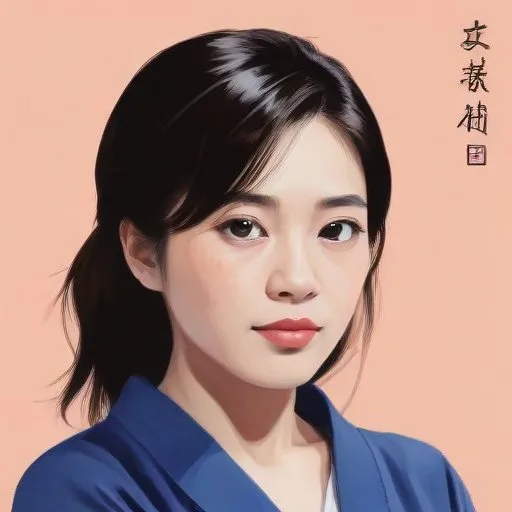
A renowned Japanese actress, celebrated for her iconic roles in classic films, particularly in the 1950s and 1960s, earning her the title "Queen of Japanese Cinema".
Isuzu Yamada was a trailblazing Japanese stage and screen actress whose illustrious career spanned an impressive seven decades, leaving an indelible mark on the film industry. With a repertoire that boasted over 150 films, Yamada was renowned for her powerful performances, earning her the title of "Queen of Japanese Cinema."
Born Mitsu Yamada on February 5, 1917, in Osaka, Japan, she was the daughter of Kusudu Yamada, a shinpa actor specializing in onnagata roles, and Ritsu, a geisha. Under her mother's guidance, Yamada began learning nagauta and Japanese traditional dance at the tender age of six. This early exposure to the performing arts laid the foundation for her future success.
Yamada made her film debut in 1930 at the age of 12, starring in the Nikkatsu film Tsurugi wo koete opposite Denjiro Ichiki. Her early success led to her becoming one of Nikkatsu's top actresses, but it was her portrayals of strong-willed modern girls in Kenji Mizoguchi's Osaka Elegy and Sisters of the Gion in 1936 that earned her widespread recognition and critical acclaim.
Yamada's collaboration with prominent directors like Mikio Naruse, Yasujir Ozu, and Akira Kurosawa solidified her status as a leading lady of Japanese cinema. Her notable films during this period include Tsuruhachi and Tsurujiro (1938), The Song Lantern (1943), The Way of Drama (1944), Flowing (1956), Tokyo Twilight (1957), The Lower Depths (1957), and
Yamada's influence on Japanese cinema extends beyond her impressive filmography. She was a founding member of the Shin Engiza theatre group, established during World War II, and later co-founded the Gendai Haiyu Kyokai theatre group. Her pioneering spirit paved the way for future generations of Japanese actresses.
Yamada's personal life was marked by her third marriage to leftist actor Yoshi Kat. She continued to work in film and theatre, shifting her focus towards the stage in the latter half of the 1950s. Yamada passed away on July 9, 2012, leaving behind a legacy that continues to inspire and captivate audiences worldwide.
Isuzu Yamada's remarkable career serves as a testament to her dedication, talent, and trailblazing spirit. As a pioneer of Japanese cinema, her influence continues to be felt, inspiring new generations of filmmakers, actors, and audiences alike.
As we reflect on her remarkable life and career, Isuzu Yamada's legacy serves as a shining beacon, illuminating the golden age of Japanese cinema and cementing her place as one of the most iconic actresses in Japanese film history.
Born in 1910
A visionary filmmaker who crafted visually stunning and emotionally resonant movies that explored humanity, often blending Japanese culture with Western influences. His works continue to inspire generations of filmmakers and artists.
Born in 1920
A legendary Japanese actress who captivated audiences with her iconic roles in films like "Late Spring" and "Tokyo Story", symbolizing the changing values of post-war Japan.
Born in 1924
A Japanese film and television actress, known for her roles in numerous dramas and films, particularly in the 1950s and 1960s, earning her the title "Queen of Japanese Cinema".
Born in 1905
A renowned Japanese actor, known for his iconic roles in Akira Kurosawa's films, including "Seven Samurai" and "Rashomon", bringing Japanese cinema to global attention.
