


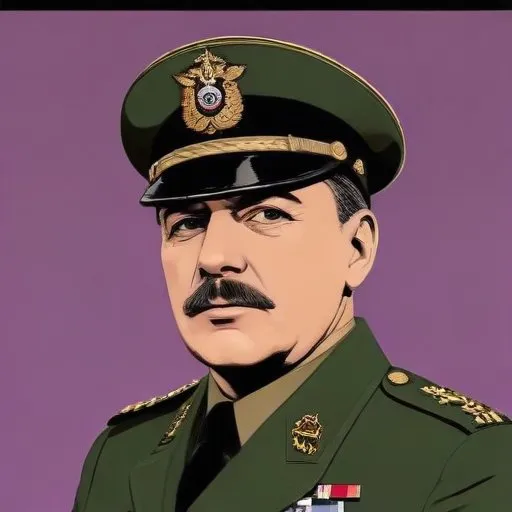
American brigadier general who served as a military aide to President Dwight D. Eisenhower and later became a prominent figure in the US Army, known for his leadership during World War II and the Korean War.
Brigadier General James Lawton Collins Jr. was a decorated military officer, historian, and viticulturist who left an indelible mark on American history. Born into a military family, Collins' life was a testament to duty, honor, and country, with a distinguished career spanning World War II, the Korean War, and the Vietnam War.
Collins was born on November 5, 1917, in El Paso, Texas, to Major General James Lawton Collins and Virginia C. Collins (née Stewart). He was part of a remarkable family: his uncle, General J. Lawton Collins, served as Chief of Staff of the Army during the Korean War, and his younger brother, Michael Collins, became an Apollo 11 astronaut.
In 1935, Collins entered the United States Military Academy at West Point, New York, where he graduated 51st out of 456 in the Class of 1939. He was commissioned as a second lieutenant in the Field Artillery and began his military journey.
Collins' military career was marked by bravery, leadership, and strategic thinking. During World War II, he led a North Dakota National Guard artillery battalion in Normandy in 1944, earning him the Bronze Star Medal and the Combat Infantryman Badge. He later served in the Korean War and the Vietnam War, where he was awarded the Army Commendation Medal.
In 1970, Collins became the U.S. Army Chief of Military History, a position he held until 1982. During this tenure, he oversaw the development of military history programs, shaping the understanding of American military heritage for future generations.
Aside from his military accomplishments, Collins was also a passionate viticulturist. He cultivated his own vineyard, experimenting with grape varieties and techniques to produce exceptional wines. This hobby not only brought him personal joy but also allowed him to connect with his community and share his love for the craft.
Collins' cultural significance extends beyond his military achievements. As a member of a prominent military family, he represents a unique intersection of military tradition and cultural heritage. His experiences and perspectives offer valuable insights into the complexities of military life, highlighting the human stories behind historical events.
Brigadier General James Lawton Collins Jr.'s legacy is multifaceted. As a military historian, he ensured the preservation and dissemination of American military history. As a viticulturist, he contributed to the appreciation of fine wines and the cultural significance of viticulture. As a member of a remarkable military family, he embodied the values of duty, honor, and country.
Today, Collins' life serves as a testament to the power of human achievement, perseverance, and dedication. His story inspires future generations to strive for excellence, to appreciate the cultural significance of their pursuits, and to honor the sacrifices of those who have come before them.
Through his extraordinary life, James Lawton Collins Jr. leaves behind a rich cultural heritage, a testament to the enduring power of human achievement and the significance of military tradition in American history.
Born in 1890
Led the Allied forces to victory in World War II and later served as President, maintaining peace and prosperity during the Cold War era. He's known for his strategic leadership and diplomatic skills.
Born in 1885
A renowned military leader who played a crucial role in World War II, particularly in the Allied victory in Europe, known for his bold tactics and unapologetic style.
Born in 1893
Led the US Army in World War II and became the last five-star general, playing a crucial role in shaping post-war American military strategy. He's also known for his humble and unassuming leadership style.
Born in 1895
Led the US Eighth Army to victory in the Korean War, credited with turning the tide of the conflict and earning a reputation as a skilled military strategist.
Born in 1896
A four-star general who played a crucial role in World War II and the Korean War, leading troops in key battles and serving as Army Chief of Staff. He's also known for his diplomatic efforts, helping to establish the NATO alliance.
