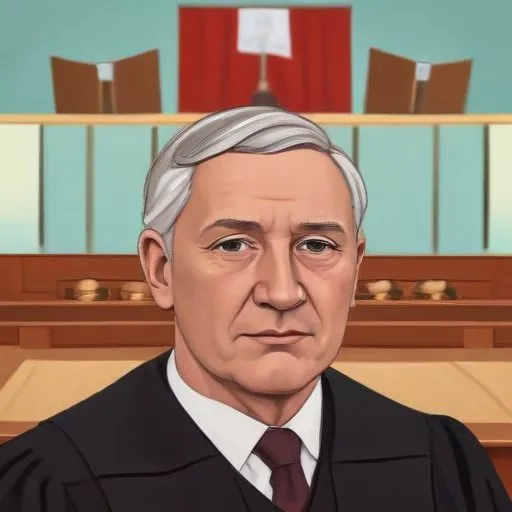
James Thomas Milton Anderson: The Conservative Premier of Saskatchewan
A Leader in Turbulent Times
James Thomas Milton Anderson is remembered as the fifth premier of Saskatchewan, and the first Conservative to hold the office. He is known for leading a coalition government in the late 1920s and early 1930s, a period marked by patronage scandals, political turmoil, and allegations of ties to the Ku Klux Klan.
Early Career and Rise to Power
Anderson began his political career as a member of the Saskatchewan Conservative Party. In 1924, he was chosen as the party's leader, and in the 1925 election, he was one of the three Conservative Members of the Legislative Assembly (MLAs) elected to office. His leadership and political savvy led to a breakthrough in the 1929 election, when the Conservatives won 24 seats, capitalizing on the patronage scandals surrounding the Liberal government of Premier James Garfield Gardiner.
Cooperative Government and Allegations of Klan Ties
Anderson formed a cooperative government, a coalition between the Conservatives, Progressives, and Independents, after the Liberals were defeated in a motion of no confidence. However, his premiership was marred by allegations of working closely with the Ku Klux Klan, a powerful force in Saskatchewan at the time. Pat Emmons, a senior Klan defector, claimed that Anderson and Klan officials regularly met, and the Liberals accused the Conservatives of being a front for the Klan.
Education Reforms and Controversy
As premier, Anderson took on the portfolio of Minister of Education and proposed amendments to the Schools Act. These amendments aimed to ban the instruction of French in public schools and to outlaw the display of religious symbols in all schools, including the Catholic separate school system. The Klan supported these changes, and Anderson's government worked closely with the organization to implement them.
Legacy and Impact
Anderson's premiership was marked by controversy, but he also oversaw significant reforms in education and infrastructure development. His government's policies, however, had far-reaching consequences, contributing to the suppression of francophone and Catholic rights in Saskatchewan. Today, Anderson's legacy is complex, and his ties to the Ku Klux Klan remain a subject of debate and controversy.
Personal Milestones and Key Life Events
- July 23, 1878: Born in Quebec, Canada
- 1924: Chosen as leader of the Saskatchewan Conservative Party
- 1925: Elected as one of three Conservative MLAs
- 1929: Formed a cooperative government after the Liberal government was defeated
- 1930s: Implemented education reforms and faced allegations of Klan ties
- December 29, 1946: Passed away
Awards and Honors
Anderson's contributions to Saskatchewan politics and education are still recognized today, despite the controversy surrounding his premiership. His legacy serves as a reminder of the complexities of Canadian politics and the importance of understanding the past.
Historical Context and Legacy
Anderson's premiership took place during a tumultuous period in Canadian history, marked by economic depression, political upheaval, and social change. His government's policies reflected the biases and prejudices of the time, but they also contributed to the country's ongoing struggle for equality and justice. Today, Anderson's story serves as a cautionary tale about the dangers of extremism and the importance of promoting inclusivity and diversity.
FAQ
What were James Thomas Milton Andersons achievements as Premier of Saskatchewan?
James Thomas Milton Anderson served as the 5th Premier of Saskatchewan from 1929 to 1934, during which time he implemented several key reforms, including the establishment of the Saskatchewan Power Corporation and the expansion of rural electrification.
How did Andersons government respond to the Great Depression?
Andersons government implemented various measures to mitigate the effects of the Great Depression, including infrastructure projects, agricultural subsidies, and relief programs for the unemployed.
What was Andersons stance on Canadian federalism?
Anderson was a strong advocate for provincial rights and autonomy, often clashing with the federal government over issues such as taxation and natural resource management.
How did Andersons leadership style differ from that of his predecessors?
Andersons leadership style was characterized by his pragmatic approach to governance, willingness to compromise, and ability to build coalitions. He was a skilled politician who worked to find common ground with his opponents.
What is Andersons legacy in modern Saskatchewan politics?
Andersons legacy in modern Saskatchewan politics is that of a pragmatic and effective leader who navigated the province through a tumultuous period in its history. He is remembered for his commitment to social justice and his role in shaping the provinces development.