


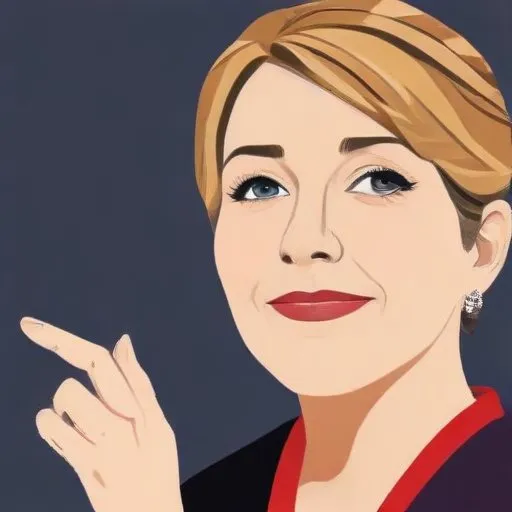
A French soprano renowned for her powerful, expressive voice and iconic performances in opera and classical music, particularly in the early 20th century.
Jane Bathori was a renowned French mezzo-soprano, celebrated for her contributions to the development of contemporary French music. Her impressive career spanned over five decades, leaving an indelible mark on the operatic stage and beyond.
Born Jeanne-Marie Berthier on June 14, 1877, Bathori initially studied piano, intending to become a concert pianist. However, her passion for singing soon took center stage, and she made her professional debut in 1898 at the Théâtre de la Bodinière.
In the same year, she performed in the grand concerts at the Concerts du Conservatoire, followed by roles in Faure's La Naissance de Vénus and Saint-Saëns' Messe de Requiem. Her operatic debut in Nantes during the 1899-1900 season solidified her position in the musical world.
Bathori's collaboration with composer Maurice Ravel was a pivotal moment in her career. She premiered his iconic song cycle Shéhérazade, and was the dedicatee of his Histoires naturelles. She also premiered his Chansons madécasses, showcasing her mastery of the mezzo-soprano range.
In the early 1920s, Bathori played a vital role in promoting new music, particularly by members of Les Six, a group of renowned composers. She gave numerous first performances of their works, expanding the repertoire of contemporary French music.
Bathori's talents took her to the stages of the Teatro Colón in Buenos Aires, where she performed annually throughout the 1930s. In 1935, she was appointed to the Legion of Honour for her services to French music. During World War II, she made Buenos Aires her home, returning to France after the war to teach singing and share her expertise through radio talks.
Jane Bathori's influence on French music is immeasurable. She was a true pioneer, introducing audiences to new compositions and fostering a love for contemporary music. Her dedication to her craft earned her a place among the most celebrated mezzo-sopranos of her time.
In 1908, Bathori married composer Pierremile Engel, with whom she studied and collaborated. She passed away on January 25, 1970, at the age of 92, leaving behind a rich legacy that continues to inspire generations of musicians and music lovers.
Born in 1873
The most popular operatic tenor of the early 20th century and the first great recording star, known for his powerful and emotive voice that captivated audiences worldwide through his recordings and live performances.
Born in 1873
A renowned Russian opera singer celebrated for his powerful, expressive voice and iconic performances in roles like Boris Godunov, bringing opera to the masses through his charismatic stage presence.
Born in 1888
A renowned soprano and actress, celebrated for her iconic performances in opera and film, particularly in the roles of Strauss and Wagner. She was a beloved teacher and author, sharing her expertise with generations of singers.
Born in 1884
A renowned Irish tenor and actor, celebrated for his powerful, emotive voice and charismatic stage presence, particularly in opera and musical theater.
Born in 1897
American operatic soprano renowned for her powerful, expressive voice and iconic performances in Verdi's La Forza del Destino and Puccini's La Tosca. She was a leading lady of the Metropolitan Opera in the 1920s and 1930s.
