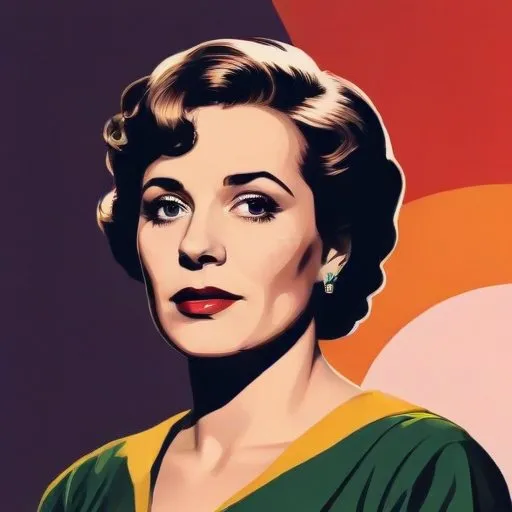
Lotte Lehmann: The German-American Soprano Who Captivated the World
A Legendary Voice in Opera and Beyond
Lotte Lehmann was a renowned German-American lyric soprano who left an indelible mark on the world of opera and classical music. With a career spanning over four decades, she was celebrated for her captivating performances in iconic operas by
Richard Strauss,
Richard Wagner,
Ludwig van Beethoven, and
Giacomo Puccini, among others.
Early Life and Rise to Fame
Born on February 27, 1888, in Perleberg, Germany, Lehmann's early life was marked by a passion for music. Despite initial setbacks in her musical education, she found her footing under the guidance of Mathilde Mallinger, a renowned Wagnerian soprano. Lehmann's big break came when she sang Elsa in Lohengrin at the Hamburg Opera, earning her first major success.
Astounding Career Highlights
- Der Rosenkavalier: Lehmann's portrayal of the Marschallin is considered one of her greatest roles, showcasing her vocal mastery and dramatic flair.
- Die Walküre: Her interpretation of Sieglinde remains a benchmark for sopranos, highlighting her remarkable range and expressiveness.
- Fidelio: Lehmann's titular role in Beethoven's opera cemented her status as a leading soprano of her time.
Recording Legacy
Lehmann left an impressive legacy of nearly 500 recordings, encompassing opera, art song, and lieder. Her discography is a testament to her remarkable vocal versatility and range.
Influence on Modern Opera
Lehmann's influence extends beyond her own performances. She inspired a new generation of sopranos, including
Elisabeth Schwarzkopf and
Maria Callas, and shaped the course of opera singing with her unique interpretive approach.
Awards and Honors
Lehmann's numerous accolades include the title of Kammersängerin (Chamber Singer) from the Vienna State Opera, honorary doctorates from several universities, and a Grammy Lifetime Achievement Award.
Personal Milestones and Philanthropy
Throughout her life, Lehmann was dedicated to fostering young talent and supporting charitable causes. She taught masterclasses, established the Lotte Lehmann Foundation, and performed at benefit concerts for organizations such as the Red Cross.
Legacy and Historical Context
Lehmann's remarkable career was marked by a commitment to artistic excellence, cultural exchange, and humanitarianism. Her legacy continues to inspire and enrich the world of opera, classical music, and beyond.
Remembering Lotte Lehmann
As we reflect on Lehmann's extraordinary life and career, we are reminded of the power of dedication, hard work, and an unwavering passion for the arts. Her memory serves as a beacon of inspiration for generations to come.
FAQ
What was Lotte Lehmanns most notable opera role?
Lotte Lehmann was a renowned German-American soprano, celebrated for her iconic portrayal of Richard Strausss Marschallin in Der Rosenkavalier, a role she performed over 500 times.
How did Lotte Lehmanns teaching career impact opera singers?
Lehmann taught voice lessons at the Music Academy of the West in Santa Barbara, California, influencing generations of opera singers, including Marilyn Horne and Natalie Hinderas.
What awards did Lotte Lehmann receive for her contributions to opera?
Lotte Lehmann was awarded the Presidential Medal of Freedom in 1965 and was named an Honorary Member of the Metropolitan Opera Guild in 1967.
How did Lotte Lehmanns performances impact the development of opera in the US?
Lehmanns performances with the Met and other US opera companies helped popularize opera in America, paving the way for future generations of opera singers and companies.
What legacy did Lotte Lehmann leave on opera education?
Lotte Lehmanns masterclasses, books, and teachings continue to inspire opera singers and educators, emphasizing the importance of musicality, drama, and vocal technique.