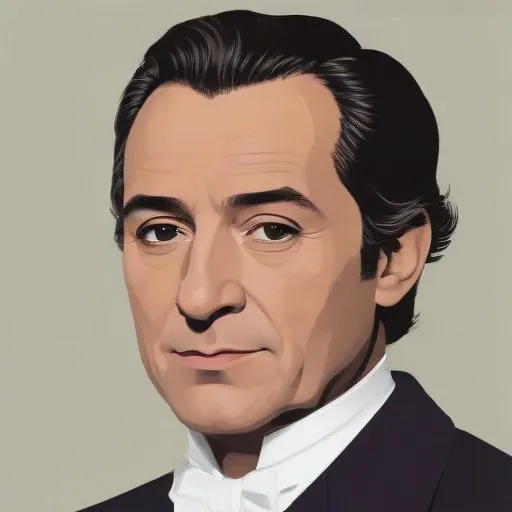
Jean Baptiste Gay, Vicomte de Martignac: The Illustrious French Statesman
A Leader of Distinction in Turbulent Times
Jean Baptiste Gay, vicomte de Martignac, is renowned for his brief yet remarkable tenure as the
Prime Minister of France from 1828 to 1829, during which he implemented a series of liberal reforms, endeavouring to stabilize the tumultuous political landscape of the Bourbon Restoration era. As a moderate royalist, Martignac navigated the complexities of French politics, earning recognition for his diplomatic acumen and unwavering commitment to the nation's welfare.
Early Life and Education
Born on June 20, 1778, in Bordeaux, France, Martignac was the scion of a noble family. He received his education at the University of Bordeaux, where he developed a profound interest in law and politics. This academic foundation laid the groundwork for his future success in the realm of governance.
Rise to Prominence
Martignac's political career commenced in 1815, when he was appointed as the Procureur Général (Attorney General) of Bordeaux. His exceptional oratory skills and principled stance on issues quickly earned him recognition within the judiciary and political circles. In 1821, he became the Minister of the Interior, a position that afforded him the opportunity to implement reforms aimed at promoting national unity and stability.
Prime Minister of France (1828-1829)
Upon the resignation of Prime Minister Jean-Baptiste de Villele, Martignac was appointed as his successor. During his tenure, he introduced the Press Law of 1828, which relaxed censorship and enabled the press to operate with greater freedom. Additionally, he implemented electoral reforms, expanding the franchise and facilitating greater participation in the political process. Martignac's commitment to liberal values and his efforts to reconcile the monarchy with the emerging liberal movement earned him widespread admiration.
Philosophical Contributions and Beliefs
Martignac's political philosophy was deeply rooted in the principles of constitutional monarchy and the protection of individual liberties. He believed in the importance of gradual reform, advocating for the incremental implementation of liberal policies to ensure stability and avoid radical upheaval. His commitment to the ideals of the French Revolution, albeit in a more moderate form, aligned him with the emerging liberal movement.
Personal Milestones and Key Life Events
- 1778: Born in Bordeaux, France
- 1815: Appointed as the Procureur Général of Bordeaux
- 1821: Became the Minister of the Interior
- 1828: Appointed as the Prime Minister of France
- 1829: Resigned as Prime Minister following the July Revolution
- 1830: Died on April 3, in Paris, France
Legacy and Historical Context
Martignac's brief yet significant tenure as Prime Minister of France left an indelible mark on the nation's political landscape. His commitment to liberal reforms and his efforts to stabilize the monarchy laid the groundwork for the subsequent development of French politics. As a moderate royalist, he navigated the complexities of the Bourbon Restoration era, endeavouring to reconcile the monarchy with emerging liberal forces. His legacy serves as a testament to the enduring importance of gradual reform and the imperative of protecting individual liberties.
Comparative Analysis with Contemporaries
Martignac's political approach is often juxtaposed with that of his contemporaries, including
François Guizot and Adolphe Thiers. While all three statesmen were committed to liberal values, Martignac's predilection for gradual reform and his moderating influence on the monarchy distinguished him from his peers. His unique approach, marked by a blend of liberal ideals and monarchical loyalty, enabled him to navigate the treacherous waters of French politics during a time of great upheaval.
Influence on Modern Society
Martignac's commitment to individual liberties, freedom of the press, and electoral reform continues to inspire modern democracies. His legacy serves as a reminder of the importance of gradual, incremental reform in achieving lasting social and political change. As a testament to his enduring influence, his name remains synonymous with the values of liberalism and moderation in French political discourse.
FAQ
Who was Jean-Baptiste Gay, vicomte de Martignac and what was his significance in French history?
Jean-Baptiste Gay, vicomte de Martignac was a French politician, who served as the 7th Prime Minister of France from 1828 to 1829. He played a crucial role in shaping French politics during the Bourbon Restoration period, advocating for moderate reforms and constitutional monarchy.
What were Jean-Baptiste Gays contributions to French politics?
Martignac was a strong supporter of the Bourbon monarchy, advocating for a constitutional monarchy that would balance the power of the king with the rights of the people. He promoted moderate reforms, seeking to address the grievances of the French people while maintaining the stability of the monarchy.
What were Jean-Baptiste Gays roles in the Bourbon Restoration government?
Martignac held several offices in the Bourbon Restoration government, including Minister of the Interior, Minister of Justice, and Prime Minister. He was a trusted advisor to King Charles X, supporting the kings efforts to restore the French monarchy and maintain order in France.
How did Jean-Baptiste Gay respond to the July Revolution?
Martignac was forced to resign as Prime Minister following the July Revolution of 1830, which led to the abdication of King Charles X and the rise of the Orleans monarchy. He retreated from politics, devoting himself to literary pursuits and historical writing.
What is Jean-Baptiste Gays legacy in French history?
Martignacs contributions to French politics, although marked by controversy and ultimate failure, have left a lasting impact on French history. He is remembered as a dedicated politician, seeking to find a balance between the monarchy and the people, and as a writer, whose works on French history remain valuable today.