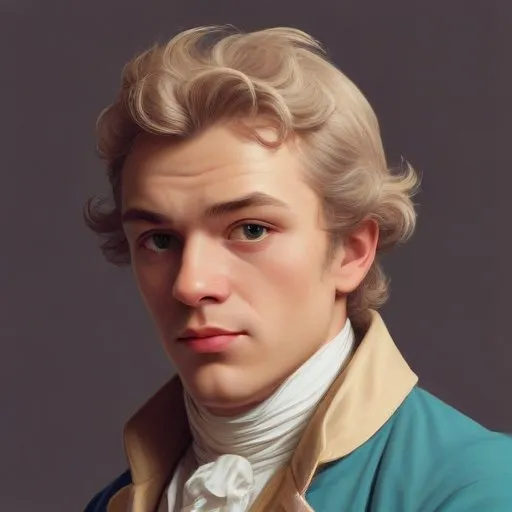
Jean-Baptiste Greuze: The Prolific Painter of French Rococo
A Master of Genre and History Painting
Jean-Baptiste Greuze is renowned for his exquisite portraits, genre scenes, and history paintings that captivated 18th-century France. Born on August 21, 1725, in Tournus, Burgundy, Greuze's artistic talent was apparent from an early age, and he went on to become one of the most celebrated painters of the French Rococo period.
Early Life and Training
Greuze's father, a successful merchant, initially discouraged his son's artistic inclinations. However, thanks to the encouragement of Lyonnese artist Grandon, Greuze's father eventually relented, allowing him to apprentice with Grandon in Lyon. When Grandon moved to Paris, Greuze accompanied him, further honing his skills and making connections that would serve him well in his future career.
Rise to Prominence
Greuze's big break came with his 1755 exhibition of "Aveugle tromp," which earned him immediate recognition by the Royal Academy. This was followed by a visit to Italy with the Abbé Louis Gougenot, a journey that, although not without its challenges, exposed him to new influences and solidified his reputation as a rising star of French art.
Artistic Style and Contributions
Greuze's artwork is characterized by its sensitivity, nuances, and emotional depth. He excelled in capturing the subtleties of human expression, often focusing on domestic scenes, children, and the lives of ordinary people. His use of chiaroscuro, delicate color palettes, and rich textures created a sense of intimacy and atmosphere in his paintings.
Some of his most famous works include "The Broken Pitcher" (1773), "The Father's Curse" (1777), and "The Prodigal Son" (1778). These pieces not only showcased his technical skill but also revealed his ability to tell compelling stories through art.
Personal Life and Relationships
Greuze was known for his strong connections with prominent figures of the time, including Madame d'Épinay and
Denis Diderot. These relationships likely influenced his artistic direction and provided valuable patronage and support.
Legacy and Impact
Greuze's impact on French art and culture cannot be overstated. He influenced a generation of artists, including
François Gérard, Anne-Louis Girodet, and
Jacques-Louis David. His emphasis on emotional authenticity and his ability to capture the beauty in everyday life paved the way for the development of Romanticism and Realism.
Today, Greuze's works can be found in museums and private collections around the world, including the Louvre, the Metropolitan Museum of Art, and the National Gallery in London.
Fun Facts and Trivia
- Greuze was known for his strong sense of humor and was often seen as a witty and charming figure in Parisian society.
- He was one of the first artists to depict everyday life in a realistic and sympathetic manner, earning him the nickname "the French Hogarth."
- Greuze was a prolific artist, producing over 400 paintings during his lifetime.
Quotes and Memorable Sayings
- "Art is the only way to run away without leaving home." – Jean-Baptiste Greuze (attributed)
Timeline of Major Works and Events
- 1755: Exhibits "Aveugle tromp" and is recognized by the Royal Academy
- 1755-1757: Travels to Italy with the Abbé Louis Gougenot
- 1765: Elected as a full member of the Royal Academy
- 1773: Completes "The Broken Pitcher"
- 1777: Completes "The Father's Curse"
- 1778: Completes "The Prodigal Son"
- 1805: Passes away on March 4th at the age of 79
FAQ
What style of painting was Jean-Baptiste Greuze known for?
Jean-Baptiste Greuze was a French painter known for his sentimental and emotive style, which often depicted scenes of everyday life and moral instruction.
What was Jean-Baptiste Greuzes role in the French art world?
Jean-Baptiste Greuze was a prominent figure in the French art world, serving as a professor at the École des Beaux-Arts and influencing a generation of French artists.
What are some of Jean-Baptiste Greuzes most famous works?
Some of Jean-Baptiste Greuzes most famous works include his portraits of French aristocrats and his sentimental scenes of family life, such as The Broken Pitcher and The Daughters Reconnaissance.
How did Jean-Baptiste Greuzes work impact the development of French art?
Jean-Baptiste Greuzes work had a significant impact on the development of French art, influencing the development of Romanticism and the growth of sentimentality in art.
Is Jean-Baptiste Greuze considered a master of French painting?
Yes, Jean-Baptiste Greuze is considered a master of French painting, known for his innovative style and his contribution to the development of French art.