


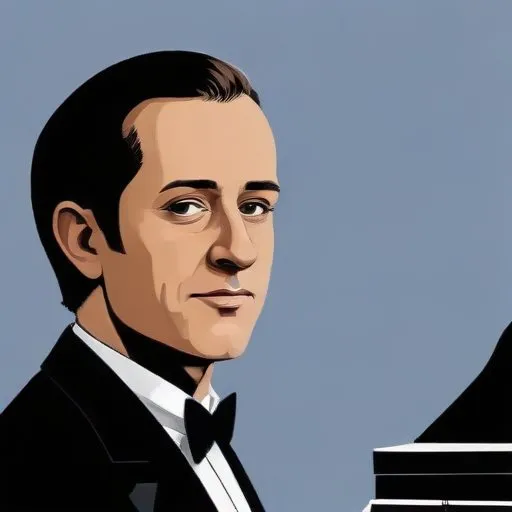
A French pianist and composer, known for his expressive and technically impressive performances, particularly in the Classical and Romantic periods. He was also a prolific composer, writing numerous works for solo piano and chamber ensembles.
Jean Frédric Edelmann was a French classical composer widely recognized for his remarkable contributions to the world of music, particularly during the tumultuous period of the French Revolution. Born on May 5, 1749, in Strasbourg, Edelmann's life was marked by a passion for music, law, and public service, ultimately leading to a tragic demise at the hands of the Revolution.
Edelmann's early life was influenced by his Protestant family of Alsatian descent, which instilled in him a strong sense of duty and dedication. He studied law and music, eventually moving to Paris in 1774 to pursue a career in music. In Paris, he established himself as a skilled pianist and teacher, earning the admiration of renowned composers such as Haydn and Mozart.
During the French Revolution, Edelmann's life took a dramatic turn when he was appointed administrator of the Bas-Rhin region. His moderate stance and opposition to the Reign of Terror, however, made him a target for radical revolutionaries, including Saint-Just, who would ultimately seal his fate.
Edelmann's music, characterized by its elegance and refinement, includes two operas, an oratorio, and numerous pieces of chamber music. His piano sonatas, in particular, showcase his mastery of the instrument and his ability to evoke emotions through melody and harmony.
Edelmann's work was widely acclaimed by his contemporaries, including Haydn and Mozart, who recognized his talent and innovative approach to composition.
In May 1794, Edelmann was falsely accused of treason and arrested. Despite his protests of innocence, he was sentenced to death by the Revolutionary Tribunal on July 17, 1794, and executed by guillotine in the Place de la Barrière du Trône. His tragic fate was shared by his brother Louis and 16 Carmelite nuns of Compiègne, who were also executed on the same day.
Edelmann's untimely death, just days before the fall of Robespierre, serves as a poignant reminder of the brutal excesses of the French Revolution. Despite the darkness of his final days, Edelmann's music continues to inspire and uplift, a testament to his enduring legacy as a classical composer.
Jean Frédric Edelmann's life and music serve as a powerful reminder of the transformative power of art and the importance of standing against tyranny. As we reflect on his remarkable journey, we honor his memory and celebrate the beauty and elegance of his music, which continues to inspire generations to come.
Born in 1756
A child prodigy and master of classical music, he composed over 600 works, including symphonies, operas, and chamber music, that continue to inspire and influence musicians today.
Born in 1770
A musical genius who expanded the possibilities of classical music, creating iconic symphonies and piano sonatas that continue to inspire and influence generations of artists.
Born in 1811
A virtuosic pianist and composer who revolutionized classical music with his technically demanding and emotionally expressive works, blending Hungarian folk influences with Romantic-era drama.
Born in 1810
A Polish pianist and composer renowned for his delicate, expressive, and technically demanding piano music that evokes deep emotions and continues to inspire generations of musicians and music lovers. His nocturnes, waltzes, and preludes are staples of classical music.
Born in 1782
A virtuosic violinist and composer who revolutionized the instrument's technical possibilities, leaving an indelible mark on classical music.
Born in 1833
A renowned pianist and composer, he crafted complex, expressive works that blended traditional and innovative techniques, leaving an indelible mark on classical music.
Born in 1810
A renowned Romantic-era composer and influential music critic, known for his expressive and emotionally charged works, including symphonies, piano music, and art songs.
Born in 1803
A French Romantic-era mastermind who composed iconic symphonies, operas, and orchestral works, revolutionizing classical music with his bold, expressive style.
