


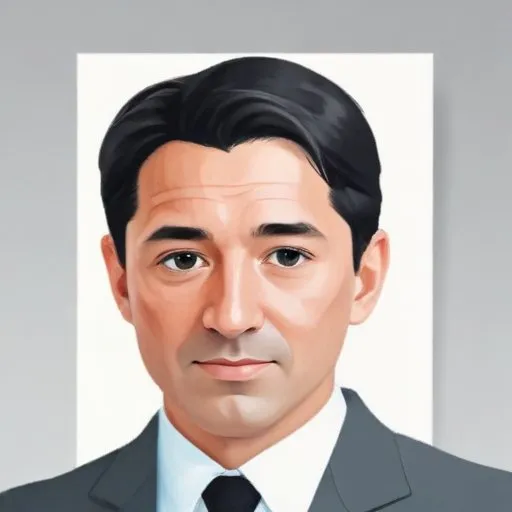
A Canadian physician who made significant contributions to the field of medicine, particularly in the areas of epidemiology and public health, and is credited with helping to contain the 1832 cholera epidemic in Montreal.
Known for his bravery and leadership during the Lower Canada Rebellion, Jean-Olivier Chénier was a physician turned military commander who fought for the rights of the French-speaking population in what is now Quebec, Canada. His ultimate sacrifice, death, and subsequent mutilation by government troops have cemented his place as a martyr and symbol of resistance against British rule.
Born on December 9, 1806, in either Lachine or Montreal, Chénier hailed from a family of modest means. Despite the challenges, he pursued higher education, eventually graduating as a physician from the University of Montreal.
As tensions between the French-speaking Canadiens and the British authorities escalated, Chénier became increasingly involved in the Patriote movement. His charismatic leadership and medical skills made him an invaluable asset to the rebellion. He was soon appointed commander of the Patriote forces in the Battle of Saint-Eustache, a pivotal conflict that would ultimately prove disastrous for the rebels.
On December 14, 1837, Chénier and his men were trapped in a church by government troops. In a desperate bid to escape, Chénier attempted to flee through a window, but was shot and killed. The government forces then subjected his corpse to brutal mutilation, reportedly hanging his heart outside his chest, in a gruesome display of intimidation aimed at the remaining Patriote supporters.
The Catholic Church excommunicated Chénier posthumously, citing his decision to fight on holy ground within a church as the reason. This decision would not be reversed until 1945. The Chénier family was forced to relocate to Hawkesbury, Ontario, where they would rebuild their lives.
A statue of Jean-Olivier Chénier stands in St-Eustache, Quebec, serving as a poignant reminder of the sacrifices made during the Lower Canada Rebellion. A second statue, formerly located on St. Denis Street in downtown Montreal, was removed during the construction of the Université de Montréal Health Centre.
"Remember Weir!" — Chénier's final words, shouted as he was shot, referencing George Weir, a government spy executed by the Patriotes.
Jean-Olivier Chénier's story serves as a powerful symbol of resistance against colonial oppression, inspiring generations of Quebecers to fight for their rights and cultural identity. His sacrifice has become an integral part of Quebec's history, reminding us of the importance of standing up against injustice and fighting for what we believe in.
Born in 1849
A renowned physician and author who revolutionized medical education and practice with his emphasis on bedside learning and humane patient care. He's also known for his witty writings and insightful essays on medicine and life.
Born in 1869
Pioneering neurosurgeon who developed innovative surgical techniques and identified Cushing's disease, a hormonal disorder. He is also credited with establishing the field of neurosurgery as a distinct medical specialty.
Born in 1891
A pioneering neurosurgeon who mapped the brain's sensory and motor areas, leading to significant advances in epilepsy treatment and our understanding of the brain's functions.
Born in 1908
Pioneering cardiovascular surgeon and educator who developed numerous surgical procedures and medical devices, revolutionizing the field of cardiovascular medicine.
Born in 1922
Performed the world's first human-to-human heart transplant, revolutionizing cardiac surgery and paving the way for modern organ transplants.
Born in 1920
Performed the first human heart transplant in the United States and developed numerous cardiothoracic surgical techniques. Known for his pioneering work in cardiac surgery.
Born in 1908
Pioneering cardiovascular surgeon and educator who developed numerous surgical procedures and medical devices, revolutionizing the field of cardiovascular medicine.
