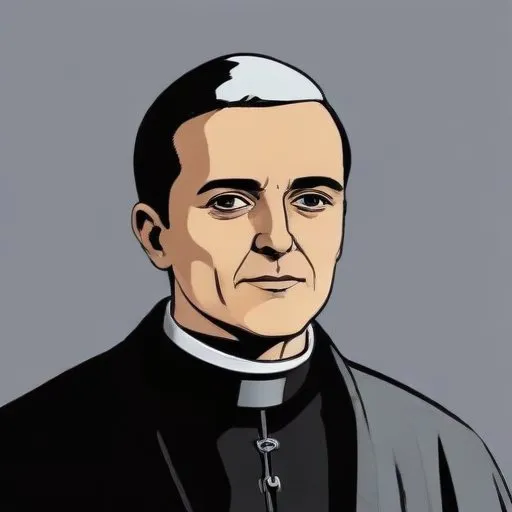
Jean Quintin: The Pioneering French Priest and Cartographer
Early Life and Career
Jean Quintin, a French priest, knight of the Order of St John, and writer, is renowned for his groundbreaking work,
Insulae Melitae Descriptio, the earliest known detailed description of the Maltese Islands, which includes the oldest known printed map of the archipelago. Born on January 20, 1500, in Autun, France, Quintin was the son of Philibert Quentin and Philiberta Laborault.
Academic Pursuits and Order of St John
Quintin became a Roman Catholic priest and joined the Order of St John, where he held the position of chaplain of the Langue of France and Secretary to the Grand Master. Additionally, he was a Professor of Canon Law at the University of Paris, showcasing his devotion to the field of law and his academic prowess.
Writings and Contributions
Quintin's literary works span a range of subjects, including geography and cosmography. His most notable work,
Insulae Melitae Descriptio, is an eighteen-page-long description of the Maltese Islands written in Latin. This work is significant not only for its detailed account of the islands but also for its influence on later literature about the region. The book features a woodcut map of Malta, which is the earliest known printed map of the archipelago. Quintin's work is an original eyewitness account, drawing from classical Roman sources as well as local medieval traditions.
Tractatus de ventis, et nautica buxula ventorum indice
In 1540, Quintin published
Tractatus de ventis, et nautica buxula ventorum indice in Paris, further solidifying his reputation as a scholar and cartographer.
Lifetime Achievements and Legacy
Throughout his life, Quintin's contributions to the fields of geography, cartography, and literature earned him recognition and respect. His work, particularly
Insulae Melitae Descriptio, has had a lasting impact on the study of the Maltese Islands and beyond. Quintin's legacy extends beyond his literary achievements, as his dedication to the Order of St John and his role as a Professor of Canon Law demonstrate his commitment to his faith and community.
Personal Life and Later Years
Quintin passed away on April 9, 1561, and was buried at the Commanderie de Saint-Jean de Latran in Paris.
Historical Context and Impact
Quintin's work must be considered within the context of the Renaissance, a time of great cultural, scientific, and artistic transformation in Europe. His contributions to the fields of geography and cartography, particularly in the realm of Maltese studies, are significant and far-reaching. Quintin's work not only reflects the intellectual curiosity and zeal of the Renaissance era but also demonstrates the capacity for individuals to make lasting impacts on their respective fields.
Conclusion
Jean Quintin's remarkable life and achievements serve as a testament to his dedication to his faith, his community, and his academic pursuits. His groundbreaking work,
Insulae Melitae Descriptio, remains an essential resource for scholars and historians, offering a unique glimpse into the Maltese Islands during the 16th century. As a pioneering French priest, knight of the Order of St John, and writer, Quintin's legacy continues to inspire and educate generations.
FAQ
What was Jean Quintins role in the French Renaissance?
Jean Quintin was a French priest, knight, and writer who played a significant role in the French Renaissance, advocating for education reform and promoting the study of classical languages and literature.
What were Jean Quintins writings on literature and poetry?
Jean Quintin wrote extensively on literature and poetry, including a treatise on the art of poetry and a collection of his own poems, which were widely admired by his contemporaries.
How did Jean Quintins work influence later French writers?
Jean Quintins work had a significant impact on later French writers, including François Rabelais and Michel de Montaigne, who built on his ideas and helped to shape the course of French literature.
What was Jean Quintins contribution to the development of French humanism?
Jean Quintin made significant contributions to the development of French humanism, particularly in the areas of education and literature, and his work was widely respected by his contemporaries.
What is Jean Quintins legacy in French literary history?
Jean Quintins legacy in French literary history is marked by his pioneering work in humanism and his influence on later writers, which helped to shape the course of French literature.