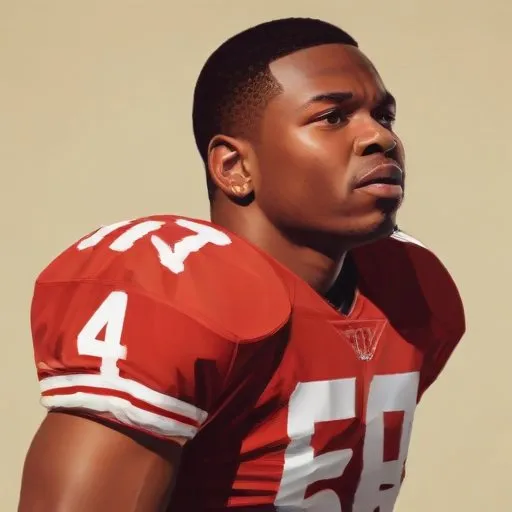
The Turbulent Life and Legacy of Jerome Brown: A Football Icon
A Career Marked by Controversy and Excellence
Jerome Brown was a dominant defensive tackle in the National Football League (NFL), playing his entire five-year career with the Philadelphia Eagles. He was a two-time Pro Bowl selection, earning recognition in 1990 and 1991 for his exceptional skills on the field.
Early Life and Education
Born on February 4, 1965, in Brooksville, Florida, Brown graduated from Hernando High School, where he was known for his tireless work ethic, often seen running laps around the track during the off-season. He went on to attend the University of Miami, where he became a standout player for the Miami Hurricanes, one of college football's most successful programs.
College Career and Controversy
Brown's college career was marked by both athletic excellence and controversy. In 1987, five days before the Fiesta Bowl, he led a walkout by the Miami players during a promotional dinner with the Penn State team, protesting perceived disrespect towards Miami's coach,
Jimmy Johnson. This incident, along with his decision to wear a Battle Dress Uniform while deplaning at Phoenix's Sky Harbor International Airport, drew national attention and sparked debate.
Professional Career and Accolades
The Philadelphia Eagles drafted Brown in the first round (ninth overall) of the 1987 NFL Draft. During his five-year career with the Eagles, he was a dominant force on the field, earning two Pro Bowl selections and solidifying his reputation as one of the league's top defensive tackles.
Awards and Honors
- 2x Pro Bowl selection (1990, 1991)
- University of Miami Sports Hall of Fame (inducted in 1993)
Personal Milestones and Key Life Events
In June 1988, Brown received praise for his calm demeanor in helping to disperse a group of Ku Klux Klan protesters in Brooksville, Florida. This incident showcased his commitment to social justice and his ability to remain composed in the face of adversity.
Sudden Tragedy and Legacy
Tragically, Brown's life was cut short in a car accident on June 25, 1992, just before the start of the 1992 NFL season. His untimely death shocked the football community and left a lasting impact on the sport. Despite his short career, Brown's legacy continues to inspire generations of football players and fans alike.
Philosophical Contributions and Beliefs
Brown's walkout during the 1987 Fiesta Bowl dinner and his decision to wear a Battle Dress Uniform were more than just provocative gestures – they reflected his strong sense of justice and his willingness to challenge the status quo. His actions sparked important conversations about respect, sportsmanship, and social responsibility, leaving a lasting impact on the world of sports and beyond.
FAQ
What was Jerome Browns football career like?
Jerome Brown was an American football player who played as a defensive tackle in the National Football League (NFL) for the Philadelphia Eagles from 1987 to 1991. He was a key player in the Eagles defense, earning two Pro Bowl selections and helping the team reach the playoffs several times.
What was Jerome Browns notable achievement in college football?
Jerome Brown played college football at the University of Miami, where he was a member of the Hurricanes national championship team in 1987. He was also a consensus All-American and won the Outland Trophy as the nations top interior lineman.
How did Jerome Browns football career come to an end?
Jerome Browns football career was tragically cut short when he died in a car accident on June 25, 1992, at the age of 27. He was driving in Cleveland, Ohio, when he lost control of his vehicle and crashed into a tree.
What is Jerome Browns legacy in the NFL?
Jerome Brown is remembered as one of the greatest defensive tackles in Philadelphia Eagles history. He was known for his dominating play on the field and his kind personality off the field. The Eagles retired his jersey number 99 in his honor.
How did Jerome Browns teammates and opponents describe him?
Jerome Brown was described by his teammates and opponents as a fierce competitor, a dominant force on the field, and a kind and humble person off the field. He was respected and admired by everyone in the NFL community.