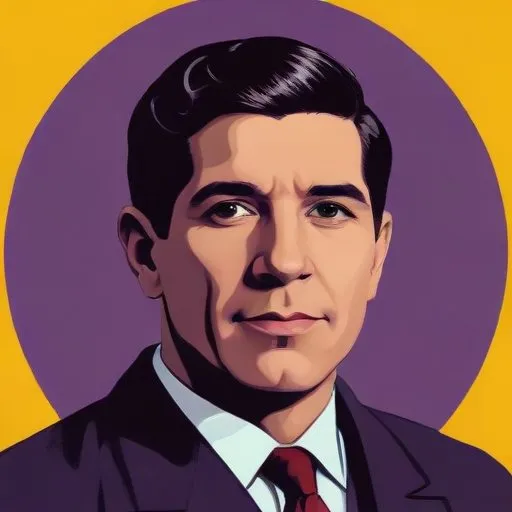
Jesse Leonard Steinfeld: A Trailblazing Physician and Public Health Official
A Legacy in Public Health
Jesse Leonard Steinfeld, the 11th Surgeon General of the United States, is renowned for his unwavering commitment to promoting public health and driving pivotal reforms in the field. His tenure as Surgeon General from 1969 to 1973 was marked by significant achievements, including the launch of the country's first anti-smoking campaign and the implementation of groundbreaking policies aimed at reducing the incidence of cancer.
Early Life and Education
Born on January 6, 1927, in West Aliquippa, Pennsylvania, Steinfeld was the son of Jewish immigrants from Hungary. His early life was marred by the loss of his father, a smoker, at the tender age of five. This personal experience would later inform his crusade against smoking. Steinfeld's mother, who ran a dry goods and hardware store, instilled in him a strong work ethic and determination to succeed. He went on to receive his B.S. from the University of Pittsburgh in 1945 and his M.D. degree from Western Reserve University (now Case Western Reserve University) in 1949.
Early Career and Research Interests
Steinfeld's professional journey began as an instructor in medicine at the University of California, San Francisco, in 1952. His research interests focused on cancer, a disease that would become a central theme in his career. From 1954 to 1958, he served as director of the radioisotope laboratory of the National Cancer Institute, National Institutes of Health, and simultaneously held an appointment as instructor in medicine at the
George Washington University School of Medicine. Steinfeld's expertise in oncology led to his appointment as assistant professor of medicine at the University of Southern California School of Medicine in 1959, where he rose through the ranks to associate professor in 1963 and professor in 1967.
Surgeon General of the United States
In 1968, Steinfeld returned to the National Cancer Institute as associate director for programs. The following year, he was appointed deputy director of the institute. On December 18, 1969, Steinfeld was sworn in as the Surgeon General of the United States, a position he held until 1973. During his tenure, he launched the country's first anti-smoking campaign, which aimed to educate the public about the dangers of smoking and reduce the incidence of smoking-related illnesses.
Philosophical Contributions and Beliefs
Steinfeld's philosophical approach to public health was centered on the notion that preventive care and education were essential to reducing the burden of disease. He believed that individuals, healthcare providers, and policymakers shared a collective responsibility to promote health and well-being. Steinfeld's commitment to evidence-based policymaking and his willingness to challenge the status quo earned him recognition as a champion of public health.
Influence on Modern Society
Steinfeld's legacy extends beyond his tenure as Surgeon General. His groundbreaking work in cancer research and his advocacy for public health education have had a lasting impact on modern society. His efforts to reduce the incidence of smoking and promote healthy lifestyles have inspired generations of healthcare professionals and policymakers.
Controversies and Public Perception
Steinfeld's tenure was not without controversy. His vocal stance against smoking and his advocacy for stricter regulations on the tobacco industry drew criticism from some quarters. However, his commitment to promoting public health and his willingness to confront powerful interests earned him widespread respect and admiration.
Quotes and Memorable Sayings
- "The death toll from smoking is a national tragedy, and it is our moral obligation to take action to prevent it." - Jesse Leonard Steinfeld
Historical Context and Legacy
Steinfeld's contributions to public health have been recognized as a significant chapter in the history of American medicine. His commitment to promoting health and well-being has inspired generations of healthcare professionals and policymakers. As a trailblazing physician and public health official, Jesse Leonard Steinfeld's legacy continues to shape the fabric of modern healthcare.
FAQ
What was Jesse Leonard Steinfelds role in public health?
Jesse Leonard Steinfeld was an American physician and academic who served as the 11th Surgeon General of the United States from 1969 to 1973. He played a key role in shaping the countrys public health policy, particularly in the areas of tobacco control and environmental health.
What were Jesse Leonard Steinfelds contributions to tobacco control?
Jesse Leonard Steinfeld was a pioneer in tobacco control, issuing the landmark 1969 report Smoking and Health that conclusively linked smoking to lung cancer and other serious health problems. He advocated for stricter regulations on the tobacco industry and supported the passage of the 1970 Public Health Cigarette Smoking Act.
What was Jesse Leonard Steinfelds stance on environmental health?
Jesse Leonard Steinfeld was a strong advocate for environmental health, recognizing the importance of a healthy environment in promoting human health. He supported measures to reduce air and water pollution, and advocated for the protection of natural resources.
What were Jesse Leonard Steinfelds academic achievements?
Jesse Leonard Steinfeld was a renowned academic who held faculty positions at several prestigious universities. He wrote numerous publications on public health, pediatrics, and environmental health.
How did Jesse Leonard Steinfelds legacy impact public health policy?
Jesse Leonard Steinfelds legacy has had a lasting impact on public health policy, particularly in the areas of tobacco control and environmental health. His work laid the foundation for future public health initiatives and continues to influence policy decisions today.