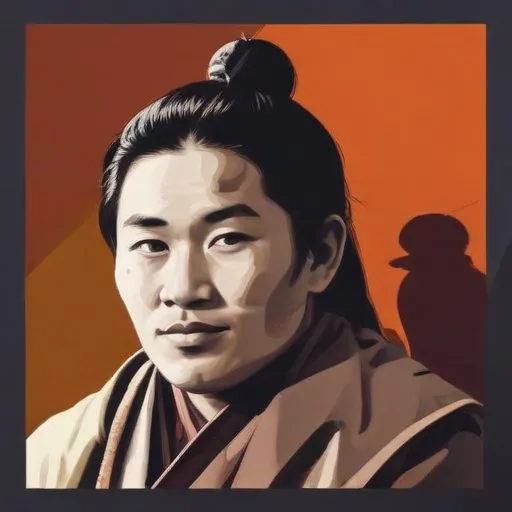
Jigme Dorji Wangchuck

Jigme Dorji Wangchuck

Jigme Dorji Wangchuck was born on May 2nd, 1929

Full Name: Jigme Dorji Wangchuck
Profession: Druk Gyalpo of Bhutan
Nationality: Bhutanese
Known For: King of Bhutan
Occupation: Monarch
Career: Monarchy
Field: Politics
Notable Work: King of Bhutan

The third king of Bhutan, who introduced modernization and democratization to the country, transforming it from a medieval society to a modern, constitutional monarchy. He's also known for his commitment to sustainable development and environmental conservation.

Written by: Rajesh Kumar Rajesh Kumar

Jigme Dorji Wangchuck: The Visionary King of Modern Bhutan

Jigme Dorji Wangchuck, the third Druk Gyalpo of Bhutan, is renowned for his pioneering efforts in opening up the country to the world, modernizing its infrastructure, and laying the foundation for democratization. During his 20-year reign from 1952 to 1972, he transformed Bhutan into a modern nation, earning him the title of "Father of Modern Bhutan."

Early Life and Education

Born on May 2, 1928, in Thruepang Palace, Trongsa, Jigme Dorji Wangchuck was apprenticed in etiquette and leadership at the royal court of his father, the King. He received a British-style education in Kalimpong, India, and later went on study tours to Scotland and Switzerland, where he drew inspiration to develop Bhutan with suitable adaptations.

Rise to Power

In 1943, Wangchuck was appointed as the Trongsa Dronyer, and in 1950, he became the 25th Paro Penlop, following the death of the 24th Paro Penlop, Tshering Penjor. After his father's demise in 1952, Wangchuck ascended to the throne, and his coronation was held in Punakha Dzong on October 27, 1952.

Reign and Achievements

During his reign, Wangchuck implemented numerous reforms, aiming to modernize Bhutan's infrastructure, economy, and education system. He established diplomatic relationships with neighboring countries, including India, and joined the Colombo Plan in 1962 to receive international aid. Wangchuck's strategy was to diversify aid sources by developing relationships with other countries, ensuring Bhutan's sovereignty and security.

Key Achievements:

Personal Life and Legacy

Wangchuck married Ashi Kesang Choden Wangchuck in 1951, and they had 10 children together. He passed away on July 21, 1972, at the age of 44. Despite his untimely death, Wangchuck's legacy lives on, and he is revered as a visionary leader who transformed Bhutan into a modern nation.

Influence on Modern Bhutan

Wangchuck's reforms and modernization efforts have had a lasting impact on Bhutan. His commitment to sustainable development, environmental conservation, and cultural preservation has inspired successive generations of Bhutanese leaders. Today, Bhutan is a model of sustainable development, with a high level of human development, low levels of corruption, and a strong focus on environmental protection.

Jigme Dorji Wangchuck's story is a testament to the power of visionary leadership and the importance of balancing tradition with modernity. His legacy continues to inspire Bhutanese citizens and leaders around the world, making him an enduring symbol of progress and development.

Timeline
1929
Birth of Jigme Dorji Wangchuck
Jigme Dorji Wangchuck was born on May 2, 1929, to King Jigme Wangchuck and Queen Phuntsho Choden.
1952
Accession to Throne
Jigme Dorji Wangchuck ascended to the throne of Bhutan on October 27, 1952, after the death of his father.
1958
Marriage to Queen Kesang Choden
Jigme Dorji Wangchuck married Queen Kesang Choden Wangchuk in 1958, and they had four daughters and three sons together.
1961
Introduction of Democracy
King Jigme Dorji Wangchuck introduced democracy to Bhutan in 1961, establishing the Royal Advisory Council and the National Assembly.
1972
Death and Succession
Jigme Dorji Wangchuck died on July 21, 1972, and was succeeded by his son, Jigme Singye Wangchuck, who continued his modernization efforts.
Jigme Dorji Wangchuck

Jigme Dorji Wangchuck Quiz

What was the primary focus of Jigme Dorji Wangchuck's reforms in Bhutan?

Score: 0/5
FAQ
What were Jigme Dorji Wangchucks key achievements as the Druk Gyalpo of Bhutan?
During his reign from 1952 to 1972, Jigme Dorji Wangchuck modernized Bhutans infrastructure, introduced democracy, and maintained the countrys independence. He also established relations with India and other countries.
What was Jigme Dorji Wangchucks role in Bhutans modernization?
Jigme Dorji Wangchuck implemented various reforms, including the introduction of electricity, roads, and telecommunications. He also promoted education, healthcare, and economic development, transforming Bhutan into a modern nation.
How did Jigme Dorji Wangchuck balance traditional values with modernization?
While introducing modern reforms, Jigme Dorji Wangchuck ensured that Bhutans unique culture and traditions were preserved. He promoted the countrys Buddhist heritage and maintained the institution of monarchy.
What was Jigme Dorji Wangchucks relationship like with India?
Jigme Dorji Wangchuck maintained close relations with India, signing a treaty of friendship in 1949. He also ensured that Bhutan remained independent, while benefiting from Indian economic and technical assistance.
How is Jigme Dorji Wangchuck remembered in Bhutan?
Jigme Dorji Wangchuck is revered as a hero in Bhutan, credited with modernizing the country while preserving its unique identity. He is remembered for his wisdom, vision, and commitment to the welfare of his people.

Related People:

Jigme Singye Wangchuk

70 Years Old

The fourth king of Bhutan, who introduced democracy and modernized the country while prioritizing Gross National Happiness over economic growth. He's known for his unique approach to development and governance.