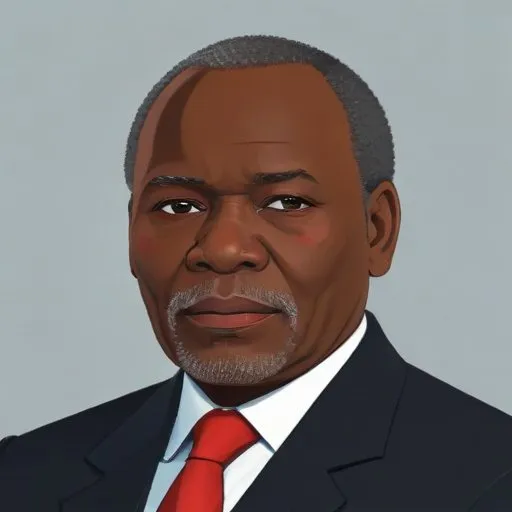
Joaquim Chissano: The Architect of Mozambique's Independence and Democracy
A Visionary Leader and Statesman
Joaquim Alberto Chissano is renowned for transforming Mozambique from a war-torn country to a thriving African democracy, serving as its second President from 1986 to 2005. He is credited with ending the Mozambican Civil War and paving the way for national reconciliation, earning him the respect and admiration of the international community.
Early Life and Education
Born on October 22, 1939, in the remote village of Malehice, Gaza Province, Joaquim Chissano was the first black student to attend the only high school in the Portuguese colony of Mozambique, Liceu Salazar in Loureno Marques (present-day Maputo). He later pursued medicine at the Faculty of Medicine of the University of Lisbon in Portugal, but his political leanings led him to move to France, where he continued his studies at the University of Poitiers.
The Fight for Independence
In 1962, Chissano joined the Mozambique Liberation Front (FRELIMO) in Tanzania, abandoning his studies to serve in the fight for Mozambique's independence. He played a crucial role in the negotiation of the Lusaka Accord in 1974, which paved the way for the country's independence in 1975.
Rise to Leadership
After Mozambique gained independence, Chissano was appointed Minister of Foreign Affairs by President
Samora Machel. Following Machel's sudden death in 1986, Chissano succeeded him as President of Mozambique and leader of FRELIMO.
Ending the Civil War and National Reconciliation
One of Chissano's most significant achievements was ending the Mozambican Civil War in 1992 by negotiating a peace treaty with the opposition party, RENAMO. This landmark agreement brought an end to 16 years of conflict, paving the way for national reconciliation and reconstruction.
International Statesman and Diplomat
After stepping down as President in 2005, Chissano became an elder statesman, envoy, and diplomat for both Mozambique and the United Nations. He served as Chairperson of the African Union from 2003 to 2004, further solidifying his reputation as a respected international leader.
Legacy and Impact
Joaquim Chissano's legacy is marked by his unwavering commitment to democracy, national reconciliation, and regional cooperation. His leadership has inspired a generation of Africans, and his diplomatic efforts have contributed significantly to regional stability and peace. Today, Chissano remains a prominent figure in African politics, continuing to promote peace, stability, and development on the continent.
Awards and Honors
- Mo Ibrahim Prize for Achievement in African Leadership (2007)
- African Leadership Award for Outstanding Leadership and Vision (2008)
- Grand Cross of the Order of Liberty (Portugal, 1995)
Quotes and Memorable Sayings
- "Democracy is a continuous process, it's not an event." - Joaquim Chissano
- "Peace is not a destination, it's a journey." - Joaquim Chissano
Joaquim Chissano's remarkable journey from a freedom fighter to a statesman and diplomat is a testament to his unwavering commitment to democracy, peace, and development. His legacy continues to inspire generations, cementing his place as one of Africa's most revered leaders.
FAQ
What was Joaquim Chissanos role in Mozambican politics?
Joaquim Chissano served as the 2nd President of Mozambique from 1986 to 2005, playing a key role in the countrys transition from a one-party state to a multi-party democracy.
What were some of Joaquim Chissanos notable policies?
Joaquim Chissano implemented several notable policies, including economic reforms, privatization, and infrastructure development, which helped to stabilize and grow the Mozambican economy.
How did Joaquim Chissanos leadership impact Mozambican society?
Joaquim Chissanos leadership had a significant impact on Mozambican society, promoting national reconciliation, social justice, and human rights, and helping to rebuild the country after a devastating civil war.
What international recognition has Joaquim Chissano received?
Joaquim Chissano has received international recognition for his leadership and commitment to peace and development, including the Mo Ibrahim Prize for Achievement in African Leadership.
How has Joaquim Chissano contributed to African politics?
Joaquim Chissano has made significant contributions to African politics, serving as a role model for democratic transition and promoting regional integration and cooperation.