


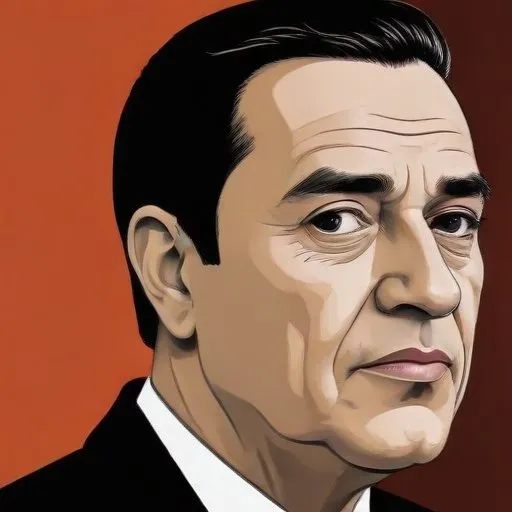
A leading figure in the abolition of slavery in Brazil, known for his passionate oratory skills and influential writings that helped shape the country's politics and social reform.
Joaquim Nabuco is renowned for his tireless efforts to abolish slavery in Brazil, a fight he waged through his writings, public speeches, and political activism. As a leading voice in the abolitionist movement, he played a crucial role in the eventual abolition of slavery in Brazil in 1888.
Born on August 19, 1849, in Brazil, Joaquim was the son of Jos Toms Nabuco, a prominent politician and wealthy landowner. His father's influence and liberal ideals had a significant impact on Joaquim's life and future endeavors.
Joaquim's personal life was marked by a 14-year relationship with Eufrsia Teixeira Leite, a financier and philanthropist who was one of the wealthiest individuals in the world at the time. The romance began during a trip to Europe in 1873 and lasted until 1887. He later married Evelina Torres Soares Ribeiro in 1889.
After returning to Brazil in 1878, Nabuco dedicated himself to fighting against slavery through his political activity and writings. He was elected to the Chamber of Deputies in 1878 and founded the Brazilian Anti-Slavery Society. In 1883, he wrote his seminal work, O Abolicionismo, which is considered one of the most important anti-slavery texts in the Portuguese language.
Nabuco's abolitionist efforts were guided by his strong liberal ideals and his belief in the importance of individual freedom and human rights. He believed that slavery was incompatible with the principles of liberty and equality and that its abolition was essential for Brazil's progress.
Joaquim Nabuco's legacy extends beyond his role in abolishing slavery in Brazil. He is remembered as a champion of human rights and a pioneer in the fight against social injustice. His writings and ideas continue to inspire social and political movements in Brazil and beyond.
Some of Nabuco's notable works include O Abolicionismo, Minha Formao, and Obras Completas. One of his famous quotes is: "Free labor and slave labor cannot coexist, and neither can slavery and immigration."
Joaquim Nabuco's life and work are set against the backdrop of Brazil's tumultuous 19th century, marked by social and political upheaval. His legacy serves as a testament to the power of individual activism and the importance of fighting for human rights and social justice.
Born in 1882
A dominant leader who ruled Brazil from 1930 to 1945 and again from 1951 until his suicide in 1954, known for implementing reforms and promoting nationalism.
Born in 1883
A Brazilian military leader who served as president from 1946 to 1951, known for his role in rebuilding the country after World War II. He implemented various reforms and modernized the country's infrastructure.
Born in 1917
A Brazilian lawyer and politician who served as the 22nd President of Brazil, known for his populist and nationalist policies, as well as his unexpected resignation after only seven months in office.
Born in 1910
A Brazilian lawyer and politician who served as Prime Minister of Brazil, known for being the first civilian to assume the office after a long period of military rule. He's also famous for dying before taking office, sparking a national crisis.
96 Years Old
Brazil's 33rd President, a skilled engineer and politician, led the country during a period of economic crisis and implemented significant reforms. He's most known for stabilizing the economy and introducing the Real Plan.
