


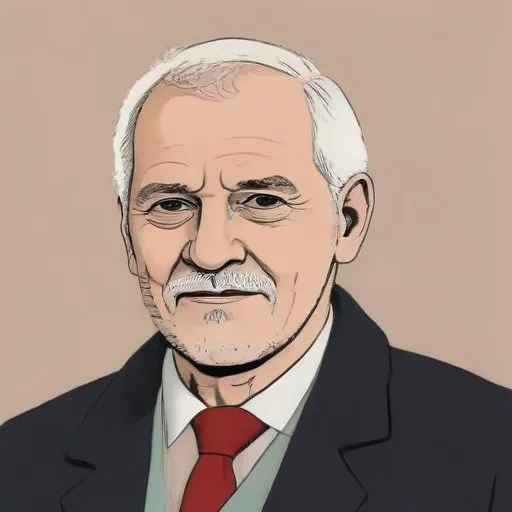
A Scottish physician and philosopher who wrote influential works on ethics, medicine, and philosophy, particularly on the nature of the human mind and its relationship to the body.
John Abercrombie was a Scottish physician, author, philosopher, and philanthropist who rose to prominence in the early 19th century. Recognized as one of the most successful medical practitioners in Scotland, he was revered for his tireless efforts to provide free medical care to the poor and his extensive contributions to the fields of medicine, metaphysics, morality, and religion.
Born on October 10, 1780, in Aberdeen, Scotland, Abercrombie was the eldest son of Rev. George Abercrombie, the minister of East Church, Aberdeen. His father's profound influence on his character and beliefs laid the foundation for his future accomplishments. Abercrombie's academic prowess was evident from an early age, as he graduated with a Master of Arts degree from Marischal College, Aberdeen, at the tender age of 15. He then pursued his passion for medicine, earning his doctorate degree from the University of Edinburgh in 1803.
Abercrombie's medical career was marked by several milestones. After completing his studies, he further honed his skills at St. George's Hospital in London before setting up his practice in Edinburgh. His dedication to providing free medical care to the poor led to his appointment as surgeon to the Royal Public Dispensary in 1805. This dispensary, located in Richmond Street, became a hub for Abercrombie's philanthropic endeavors, where he not only treated the underprivileged but also instructed medical students and apprentices.
Abercrombie's intellectual curiosity extended beyond medicine to the realms of metaphysics, morality, and religion. He published extensively on these subjects, showcasing his philosophical depth and acumen. As a devout Christian, he was deeply committed to supporting missionary work and was recognized for his contributions to the betterment of society.
Abercrombie's numerous achievements earned him several prestigious honors. He was awarded the honorary degree of MD from the University of Oxford, elected Rector of Marischal College and University, Aberdeen, and appointed Physician to the King in Scotland. These accolades testified to his stature as a distinguished physician, philosopher, and philanthropist.
John Abercrombie's legacy extends far beyond his remarkable achievements. His commitment to providing free medical care to the poor and his contributions to medical education paved the way for future generations of physicians. His philosophical works and dedication to missionary work exemplified his profound sense of social responsibility. Abercrombie's life serves as a shining example of the transformative power of compassion, intellect, and service to humanity.
Born in 1711
A Scottish Enlightenment thinker who developed influential ideas on morality, ethics, and human nature, and is considered one of the most important figures in the history of Western philosophy.
61 Years Old
A lawyer and politician who served in the U.S. House of Representatives from 1987 to 1997, known for his moderate Republican views and advocacy for environmental issues.
Born in 1724
Developed influential philosophical frameworks, such as the Critique of Pure Reason, that shaped modern Western thought on ethics, morality, and human understanding.
Born in 1712
A pioneering thinker who shaped modern democracy and education with his ideas on social contracts, general will, and the importance of early childhood education. His writings influenced the French Revolution and modern political thought.
Born in 1632
A 17th-century thinker who laid the groundwork for modern democracy, arguing that governments derive their power from the people and that individuals have inherent rights to life, liberty, and property.
Born in 1632
A 17th-century philosopher and scholar who developed a comprehensive philosophical system that emphasizes God, nature, and human freedom, influencing modern thought on ethics, politics, and religion.
Born in 1561
A 16th-17th century Renaissance figure who pioneered the scientific method and empiricism, and served as a prominent government official.
Born in 1596
Developed influential philosophical and mathematical concepts, including the famous phrase "I think, therefore I am," and laid the foundation for modern Western philosophy.
