


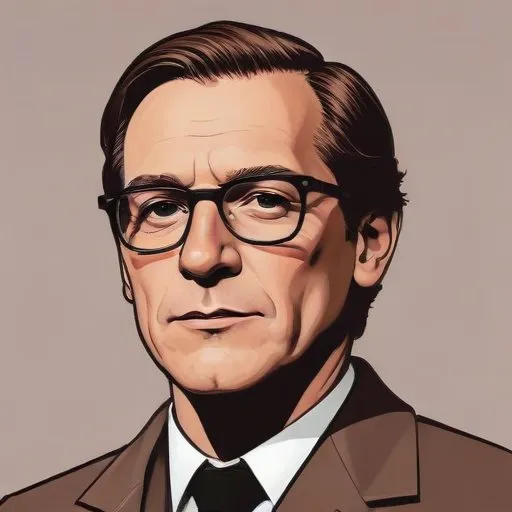
A pioneering cinematographer and director, known for his innovative use of lighting and camera angles, creating a distinctive film noir style that influenced generations of filmmakers.
Alton's journey in the film industry began in the 1920s, when he moved to the United States to attend college. He started as a lab technician in Los Angeles, eventually becoming a cameraman within four years. His talent soon took him to France, where he worked with Ernst Lubitsch on The Student Prince in Old Heidelberg (1927) and later headed the camera department of Paramount Pictures' Joinville Studios.
In 1932, Alton relocated to Argentina, where he shot numerous Spanish-language films and designed the country's first sound film studio for Lumiton and Argentina Sono Film. He intended to stay for a year but ended up staying for seven, during which he won a prize for best photography in Argentina in 1937.
Upon his return to Hollywood in the late 1930s, Alton shot 30 B-movies in seven years, mostly for Republic Pictures and RKO. It was during this period that he began working with director Anthony Mann, leading to the creation of some of his most notable works, including T-Men (1947).
Alton's cinematography style is characterized by unconventional camera angles, particularly low camera shots, which added a sense of realism and tension to his films. His work on film noirs such as He Walked by Night (1948), The Amazing Mr. X (1948), Raw Deal (1948), and The Big Combo (1955) is particularly noteworthy.
Alton's collaboration with Vincente Minnelli at MGM spanned ten years, resulting in some of his most iconic works, including Father of the Bride (1950) and An American in Paris (1951). The latter earned him the Academy Award for Best Color Cinematography, making him the first Hungarian-born person to receive this honor.
Alton's influence on modern cinematography is undeniable. His innovative use of camera angles and lighting has inspired generations of cinematographers, and his work continues to be studied in film schools around the world.
In addition to his contributions to the film industry, Alton's legacy extends to the world of art and design. His visual style has influenced the work of artists, photographers, and designers, cementing his place as a true visionary of the 20th century.
In conclusion, John Alton's remarkable career serves as a testament to his innovative spirit and artistic vision. Through his work, he has left an indelible mark on the film industry, inspiring future generations of cinematographers and artists alike.
Born in 1906
Academy Award-winning filmmaker behind iconic movies like "Some Like It Hot" and "Sunset Boulevard", known for his witty dialogue and genre-bending storytelling.
Born in 1907
A talented actor and director who won an Academy Award for his portrayal of an alcoholic writer in "The Lost Weekend," and directed several films and TV shows.
Born in 1907
Academy Award-winning filmmaker behind iconic movies like "High Noon" and "From Here to Eternity", known for his gripping storytelling and nuanced character portrayals.
Born in 1890
Pioneering filmmaker behind iconic sci-fi and noir classics, influencing generations of directors with his visual style and storytelling. 82
Born in 1915
A pioneering filmmaker and master of cinematic storytelling, known for his innovative narrative techniques and iconic films like "Citizen Kane" and "Touch of Evil".
Born in 1902
Acclaimed filmmaker behind iconic movies like "Ben-Hur" and "Roman Holiday", known for his meticulous attention to detail and ability to elicit powerful performances from actors.
Born in 1892
A pioneering filmmaker who charmed audiences with sophisticated comedies and witty romantic dramas, often blending satire and social commentary.
