


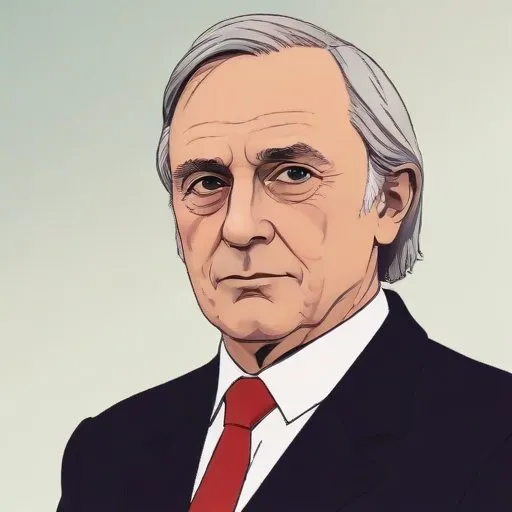
Australian Labor Party politician who served as Treasurer of Australia from 1983 to 1991, implementing significant economic reforms. He is credited with modernizing the Australian economy.
John Dawkins, a stalwart of Australian politics, is renowned for his trailblazing reforms in the higher education sector, earning him the moniker "Dawkins Revolution." As the Minister for Employment, Education, and Training from 1987 to 1991, he spearheaded a series of reforms that transformed the nation's tertiary education landscape.
Born on March 2, 1947, in Perth, Western Australia, Dawkins pursued his educational interests at Roseworthy Agricultural College in South Australia, where he secured a Diploma in Agriculture. He later enrolled at the University of Western Australia, graduating with a degree in economics.
Dawkins' political career began in 1974 when he was elected to the House of Representatives for the marginal seat of Tangney at the age of 27. Although he was defeated in the 1975 election, he returned to the House in 1977 as the member for the safe Labor seat of Fremantle, succeeding Kim Beazley senior.
As Minister for Employment, Education, and Training, Dawkins introduced a series of reforms aimed at expanding Australian universities, merging institutions, and reintroducing university fees in the form of the Higher Education Contribution Scheme (HECS). These reforms, although contentious among academics and university administrators, have had a lasting impact on the nation's higher education sector.
Dawkins' reforms were underpinned by his commitment to increasing accessibility and affordability in higher education. He believed that a well-educated population was essential for Australia's economic growth and competitiveness in the global market.
The Dawkins Revolution has left an indelible mark on Australia's higher education sector. His reforms have contributed to an increase in student enrollments, improved accessibility, and a more diverse student population. Today, Dawkins is recognized as a pioneer in education reform, and his contributions continue to shape the nation's education policy.
In recognition of his services to the nation, Dawkins was appointed an Officer of the Order of Australia (AO) in 2003.
Dawkins' abrupt exit from politics in 1993 marked a significant turning point in his life. He has since maintained a low public profile, preferring to focus on his personal and professional pursuits.
The Dawkins Revolution has had a profound impact on modern Australian society. By expanding access to higher education, Dawkins' reforms have helped create a more educated and skilled workforce, driving economic growth and social mobility.
82 Years Old
The 24th Prime Minister of Australia, a Labor Party leader who implemented significant economic reforms, including deregulation and privatization, and is known for his bold and charismatic leadership style.
96 Years Old
Leader of the Australian Labor Party who served as Prime Minister from 1983 to 1991, known for his charismatic leadership and economic reforms.
65 Years Old
The first female Prime Minister of Australia, serving from 2010 to 2013, known for her progressive policies and leadership during a period of significant economic reform.
69 Years Old
The 26th Prime Minister of Australia, a diplomat, and leader who apologized to the Indigenous Australians for past injustices and played a key role in shaping the country's climate change policies.
68 Years Old
The 28th Prime Minister of Australia, a conservative leader who served from 2013 to 2015, known for his tough stance on immigration and climate change skepticism. He's also a Rhodes Scholar and athlete.
71 Years Old
Australian journalist and politician who served as the 29th Prime Minister of Australia, known for his leadership during a tumultuous period in Australian politics and his advocacy for progressive policies.
59 Years Old
Australian Labor Party leader who served as Opposition Leader from 2013 to 2019, known for his advocacy on issues like climate change and economic inequality.
72 Years Old
The 14th Deputy Prime Minister of Australia, a Labor Party member, and economist who served during the Rudd and Gillard governments, known for his role in navigating Australia through the 2008 global financial crisis. He's also an academic and author, having written several books on economics and politics.
