


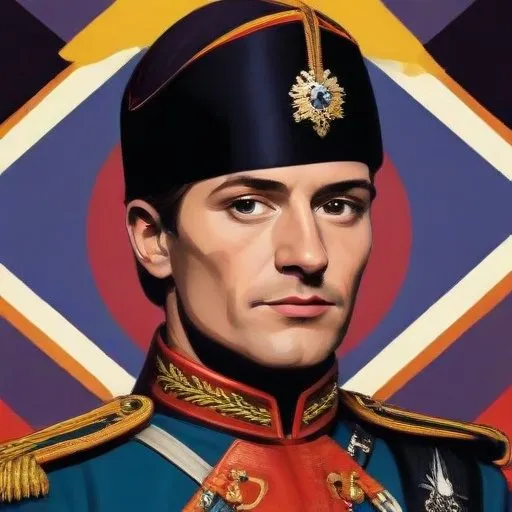
John FitzAlan, 2nd Baron Arundel, is renowned for his bravery and military expeditions during the 14th century. As a member of the nobility, he played a significant role in shaping the course of English history, particularly during the reign of King Richard II.
Born on November 30, 1364, John FitzAlan was the son of John FitzAlan, 1st Baron Arundel, and Eleanor Maltravers, the granddaughter and heiress of John Maltravers, 1st Baron Maltravers. This inheritance not only secured his title as 2nd Baron Arundel but also granted him control over extensive lands and properties.
In 1383, John joined the army in Scotland, demonstrating his commitment to the English crown and its territorial ambitions. Later, he sailed with the English Fleet along the western coast of France, showcasing his seafaring skills and martial prowess. These military exploits earned him recognition as a skilled and courageous warrior, solidifying his reputation among his peers.
John's marriage to Elizabeth le Despenser, daughter of Edward le Despenser, 1st Baron le Despencer, resulted in several children, including:
Sir John de Arundel, 2nd Lord Arundel, breathed his last on August 14, 1390. He was laid to rest at Missenden Abbey, Buckinghamshire, a testament to his noble lineage and the respect accorded to him by his contemporaries.
John FitzAlan's life and achievements must be viewed within the context of 14th-century English history, a time marked by dynastic struggles, territorial ambitions, and the rise of the nobility. His military expeditions and chivalrous deeds reflect the values of the medieval aristocracy, while his marriage and progeny secured his family's position among the English elite. As the 2nd Baron Arundel, John FitzAlan left an indelible mark on the annals of English history, his name synonymous with bravery, honor, and nobility.
Born in 1362
A 13th-century nobleman who held the title of Duke of Ireland and was a favorite of King Richard II, known for his lavish spending and failed military campaigns.
Born in 1340
A powerful and wealthy medieval English nobleman, known for his immense influence on English politics and his role in the Hundred Years' War. He was also a patron of the arts and a founder of Trinity College, Cambridge.
