


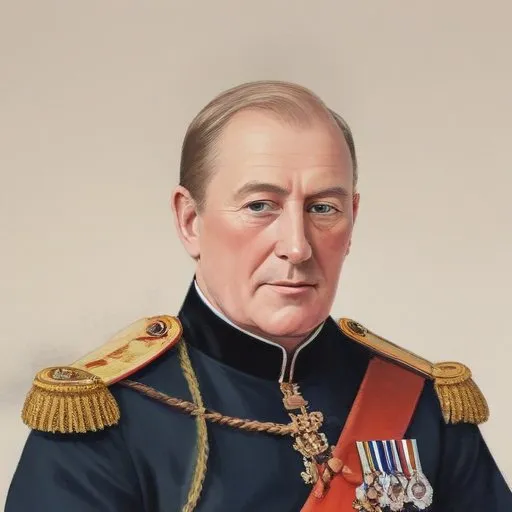
A 13th-century nobleman who held the title of Duke of Ireland and was a favorite of King Richard II, known for his lavish spending and failed military campaigns.
Robert de Vere, the 9th Earl of Oxford, is renowned for his unwavering loyalty to King Richard II of England and his pivotal role in the royal court during the 14th century. As a member of the powerful de Vere family, Robert's life was marked by his dedication to the crown, his military prowess, and his cultural patronage.
Robert de Vere was born in 1362 to John de Vere, the 7th Earl of Oxford, and Maud de Badlesmere. As a scion of the noble de Vere family, Robert was destined for greatness. His family's history was steeped in valor and loyalty, with his ancestors having fought alongside King Edward I in the Hundred Years' War.
In 1388, Robert de Vere became the 9th Earl of Oxford, inheriting a vast amount of land and wealth. His proximity to the throne increased with his appointment as Marshall of England, a position that granted him significant authority and influence. Robert's relationship with King Richard II was particularly close, with some historians speculating that the two may have been lovers.
Robert de Vere participated in several military campaigns, including the suppression of the Peasants' Revolt in 1381. He was also a fervent advocate for chivalry, and his love for tournaments and jousting earned him the admiration of his contemporaries.
As a patron of the arts, Robert de Vere supported the work of esteemed writers and poets, including Geoffrey Chaucer. His love for literature and music was reflected in his own writings, which included a collection of poems and songs.
In 1398, Robert de Vere was banished from England due to his involvement in a plot against the Duke of Gloucester. He spent several years in exile, during which time he became deeply committed to his faith. Eventually, he was pardoned and allowed to return to England, where he lived out the remainder of his life in relative quiet.
Robert de Vere's legacy is multifaceted. He was a symbol of loyalty and dedication to the crown, as well as a champion of chivalry and the arts. His influence on the royal court during the 14th century was significant, and his patronage of writers and poets helped shape the literary landscape of the time.
Through his unwavering loyalty, military prowess, and cultural patronage, Robert de Vere left an indelible mark on the history of 14th-century England. His legacy continues to fascinate and inspire, serving as a testament to the enduring power of dedication and excellence.
Born in 1340
A powerful and wealthy medieval English nobleman, known for his immense influence on English politics and his role in the Hundred Years' War. He was also a patron of the arts and a founder of Trinity College, Cambridge.
39 Years Old
Australian left-arm orthodox spinner who took 96 wickets in 59 first-class matches, including 15 wickets in a Sheffield Shield season.
