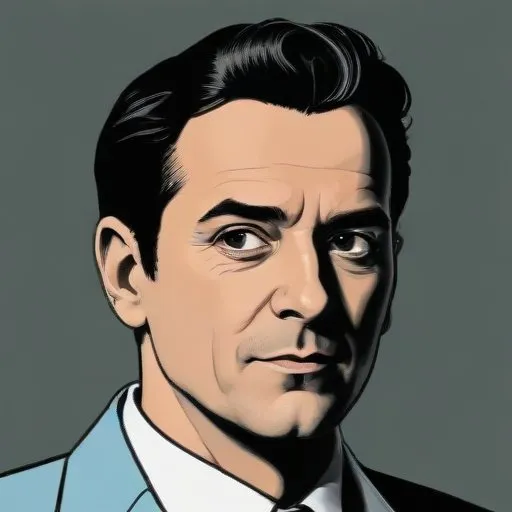
The Visionary Director: John Gorrie's Enduring Legacy in Television
A Prolific Career in Television Direction
John Gorrie is renowned for his exceptional direction in television, having helmed numerous iconic shows and serials that continue to captivate audiences to this day. With a career spanning multiple decades, Gorrie has made an indelible mark on the world of television, leaving behind a legacy that is both impressive and enduring.
Early Beginnings and Rise to Prominence
Born on August 11, 1932, in England, Gorrie's journey in the world of television began as an actor. However, his passion for storytelling soon led him to pursue a career behind the camera. In 1963, he completed the BBC's prestigious directors' course, which marked the starting point of his illustrious career as a director.
A Diverse Range of Directing Credits
Gorrie's directing credits are a testament to his versatility and creative range. He directed episodes of popular soap opera
Compact and the anthology series
Suspense, before moving on to helm the iconic
Doctor Who serial,
The Keys of Marinus. His work on
Out of the Unknown,
Edward the Seventh, and
Tales of the Unexpected further cemented his reputation as a masterful storyteller.
A Adaptation of Classics
One of Gorrie's most notable achievements is his adaptation of classic literature for the small screen. His 1976 adaptation of
Oscar Wilde's
The Picture of Dorian Gray for the
Play of the Month series is a standout example of his ability to bring complex narratives to life. His work on the BBC Television Shakespeare project, which included directing
Twelfth Night and
The Tempest, showcased his remarkable skill in translating the Bard's works for a modern audience.
Influence on Modern Television
Gorrie's influence on modern television cannot be overstated. His innovative approach to storytelling, combined with his ability to tackle complex themes and genres, has inspired generations of directors and writers. His contributions to the world of television have helped shape the medium into what it is today, and his legacy continues to be felt in the industry.
Awards and Honors
Throughout his career, Gorrie has received numerous awards and nominations for his outstanding work in television direction. His dedication to his craft has earned him a place among the ranks of television's most respected and beloved directors.
Conclusion
John Gorrie's remarkable career in television direction is a testament to his boundless creativity, innovative spirit, and dedication to storytelling. His legacy continues to inspire and influence generations of television professionals, ensuring that his work remains an integral part of the medium's rich cultural heritage. As a pioneer in the world of television direction, Gorrie's impact will be felt for years to come.
FAQ
What is John Gorries most famous screenwriting credit?
John Gorries most famous screenwriting credit is the 1966 film Morgan – A Suitable Case for Treatment, which won several awards including the BAFTA for Best British Screenplay.
What kind of films did John Gorrie typically write?
John Gorrie typically wrote dramas and comedies that explored themes of social class, relationships, and British identity.
Who were some of John Gorries frequent collaborators?
John Gorrie frequently collaborated with directors Karel Reisz and Lindsay Anderson, as well as actors such as David Warner and Vanessa Redgrave.
What awards did John Gorrie win for his screenwriting?
John Gorrie won several awards for his screenwriting, including the BAFTA for Best British Screenplay and the Writers Guild of Great Britain Award for Best Screenplay.
What is John Gorries legacy in British cinema?
John Gorries work had a significant impact on British cinema, influencing a generation of filmmakers and helping to shape the landscape of British independent film.