


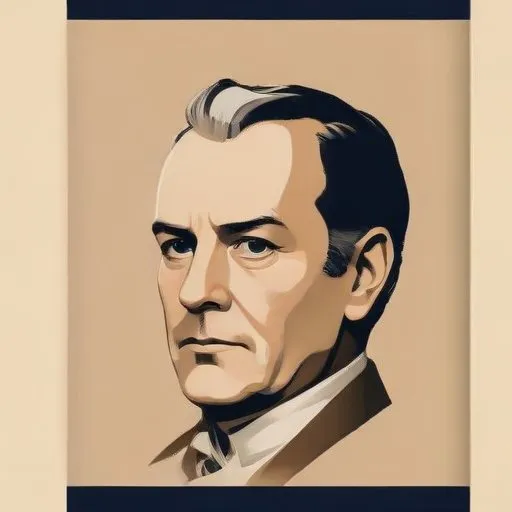
The 70th Governor of Connecticut, a prominent military leader and politician, is most known for his service during the American Civil War and his later governance of the state. He played a significant role in shaping Connecticut's history and development.
Known for his dashing nickname "The Flying Governor," Trumbull's dual passions for flight and governance made him a unique figure in American politics. Born on March 4, 1873, in Ashford, Connecticut, Trumbull's Irish immigrant parents instilled in him a strong work ethic, which would serve him well in his future endeavors.
Trumbull grew up in Plainville, Connecticut, and did not attend college. Instead, he honed his business acumen by partnering with his brother Henry and Frank T. Wheeler to form the Trumbull Electric Company in 1891. The company, which produced electrical supply parts, would eventually become part of General Electric. Trumbull's entrepreneurial spirit extended to other ventures, including chairing the board of Colonial Air Transport, Incorporated, and serving as president of Plainville Trust Company.
Trumbull's military service began in 1891, when he joined the First Connecticut Infantry. He rose through the ranks, attaining the position of colonel in the State Guard. His political career took off in 1923, when he was elected to the Connecticut Senate, serving as president pro tempore. His brief stint as lieutenant governor in 1925 ended when Governor Hiram Bingham III resigned, catapulting Trumbull into the governor's office.
As governor, Trumbull balanced the state budget, supported local businesses, and initiated a building program to improve Connecticut's infrastructure. His love for aviation led to the development of Robertson Field Airport in Plainville, which he frequently flew into himself. This commitment to aviation earned him the nickname "The Flying Governor."
Trumbull's leadership and pioneering spirit left an indelible mark on Connecticut's history. He paved the way for future generations of politicians and aviators, inspiring others to pursue their passions. Today, his legacy serves as a testament to the power of innovation and dedicated public service.
John H. Trumbull's fascinating life and achievements continue to inspire new generations, serving as a powerful reminder of the importance of pursuing one's passions and dedicating oneself to public service.
Born in 1726
Early American politician who served as one of the original Supreme Court justices and later as the 24th Governor of Connecticut, known for his strong federalist views.
Born in 1710
American colonel and politician who served as the 16th Governor of Connecticut, playing a key role in the American Revolutionary War and later shaping the state's government. He's also known for being the only colonial governor to remain in office throughout the war.
Born in 1737
First Governor of Massachusetts, instrumental in American independence and famously signed the Declaration of Independence with a large, bold signature .
99 Years Old
A renowned author and academic who wrote extensively on political science, international relations, and cultural clashes, particularly in his influential book "The Clash of Civilizations".
Born in 1743
The principal author of the Declaration of Independence and a strong advocate for individual liberties and limited government, shaping America's foundational principles. He oversaw the Louisiana Purchase, doubling the country's territory.
79 Years Old
A Pulitzer Prize-winning composer, known for blending minimalism with complex rhythms, creating a unique sound that resonates with audiences worldwide.
Born in 1751
The 4th President of the United States, often referred to as the "Father of the Constitution," played a crucial role in drafting the US Constitution and Bill of Rights, shaping the country's government and laws. He was a strong advocate for individual liberties and limited government power.
Born in 1758
The 5th President of the United States was a skilled military leader and statesman who oversaw the acquisition of Florida from Spain and issued the Monroe Doctrine, a policy of opposing European colonization in the Americas. He is also known for being the last of the Founding Fathers to hold the presidency.
