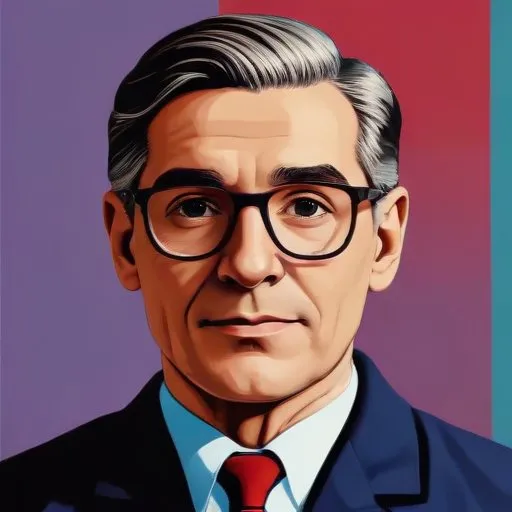
John L. Leal

John L. Leal

John L. Leal was born on May 5th, 1858

Full Name: John L. Leal
Profession: Physician
Nationality: American
Known For: Water chlorination
Field: Medicine
Notable Contributions: Water treatment
Era: 19th century
Specialization: Public health

Pioneering physician who championed water chlorination, revolutionizing public health by making clean drinking water accessible to millions.

Written by: Liam O'Sullivan Liam O'Sullivan

John L. Leal: The Pioneer of Water Disinfection

A Breakthrough in Public Health

John L. Leal, an American physician and water treatment expert, made a revolutionary contribution to public health by conceiving and implementing the first disinfection of a U.S. drinking water supply using chlorine in 1908. This groundbreaking innovation led to a significant reduction in waterborne diseases, safeguarding the health of millions of Americans.

Early Life and Education

Born on May 5, 1858, in Andes, New York, Leal grew up in a family of physicians. His father, John R. Leal, served in the Civil War and later contracted amoebic dysentery, likely due to contaminated drinking water, which ultimately led to his death in 1882. This personal experience may have influenced Leal's dedication to improving public health. Leal received his primary education at the Paterson Seminary and later attended Princeton College (now Princeton University) from 1876 to 1880. He then pursued his medical degree at the Columbia College of Physicians and Surgeons, graduating in 1884.

Career Highlights

After obtaining his medical degree, Leal established a medical practice in Paterson, New Jersey, and was appointed City Physician in 1886. He co-founded the outpatient clinic at Paterson General Hospital in 1887, where he worked until 1892. In 1888, he married Amy Arrowsmith, and their son, Graham, was born the following year.

The Chlorine Revolution

Leal's most notable achievement came when he was called as an expert witness in two trials regarding the quality of the water supply in Jersey City, New Jersey. The second trial, in 1908, led to the approval of chlorine as a disinfectant for drinking water. This breakthrough innovation rapidly gained acceptance across the United States, transforming the nation's water treatment practices.

Impact on Modern Society

Leal's work had a profound impact on public health, as the widespread adoption of chlorine disinfection led to a significant decrease in waterborne diseases such as cholera, typhoid fever, and dysentery. His innovation also paved the way for the development of modern water treatment systems, ensuring access to clean drinking water for millions of people worldwide.

Legacy

John L. Leal's pioneering work in water disinfection has earned him a permanent place in the history of public health. His legacy continues to inspire advancements in water treatment technology, safeguarding the health and well-being of communities around the world.

Federal Recognition

In recognition of his contributions, Leal was appointed as a Member of the United States Public Health Service in 1913, a testament to his dedication to improving public health.

John L. Leal's remarkable journey, marked by his groundbreaking innovation in water disinfection, has left an indelible mark on the history of public health. His legacy continues to inspire and shape the course of water treatment, ensuring a healthier future for generations to come.

Timeline
1858
Born in Jersey City
John L. Leal was born on May 5, 1858, in Jersey City, New Jersey, USA.
1881
Earned Medical Degree
Leal earned his medical degree from Columbia University, beginning his career as a physician.
1893
Developed the First Water Chlorination System
Leal developed the first water chlorination system, revolutionizing public health and sanitation practices.
1908
Served as President of the New Jersey State Board of Health
Leal served as president of the New Jersey State Board of Health, furthering his contributions to public health policy.
1914
Died in Paterson
John L. Leal died on March 13, 1914, in Paterson, New Jersey, USA, leaving behind a legacy in public health and sanitation.
John L. Leal

John L. Leal Quiz

What was John L. Leal's significant contribution to public health?

Score: 0/5
FAQ
What was John L. Leals contribution to public health?
John L. Leal made significant contributions to public health, including the development of modern water treatment systems and the implementation of sewage disposal methods that improved sanitation and reduced the spread of disease.
What was John L. Leals role in the development of modern medicine?
John L. Leal played a crucial role in the development of modern medicine, advocating for evidence-based practices and improving healthcare infrastructure through his work in hospitals and public health institutions.
What awards did John L. Leal receive?
John L. Leal received several awards for his contributions to public health and medicine, including the American Medical Associations Distinguished Service Award and the American Public Health Associations Sedgwick Medal.
What was John L. Leals work on the germ theory of disease?
John L. Leal was an early advocate of the germ theory of disease, recognizing the role of microorganisms in the spread of disease and advocating for improved sanitation and hygiene practices to prevent infection.
What was John L. Leals role in the development of modern hospitals?
John L. Leal played a significant role in the development of modern hospitals, advocating for improved facilities, equipment, and staffing practices that improved patient care and outcomes.

Related People:

William Henry Harrison

Born in 1773

The first president to die in office, serving for only one month, and known for being the oldest president elected until Ronald Reagan. He was a military hero in the War of 1812 and later a senator and governor.

Zachary Taylor

Born in 1784

The 12th President of the United States was a military hero who led the country to victory in the Mexican-American War, and later became a short-lived president. He's known for his strong leadership and sudden death in office.

Warren G. Harding

Born in 1865

The 29th President of the United States, a journalist-turned-politician, led the country through a period of post-war prosperity and scandalous corruption. He's infamous for his administration's numerous scandals and his own extramarital affairs.

Calvin Coolidge

Born in 1872

The 30th President of the United States, a lawyer and politician, led the country through a period of economic prosperity and limited government intervention, earning the nickname "Silent Cal" for his frugal and humble nature. He's most known for his minimalist approach to governance and tax cuts.

Herbert Hoover

Born in 1874

The 31st President of the United States was a humanitarian and politician who led the country through the Great Depression and is known for his humanitarian efforts and infrastructure development. He's also infamous for his inability to mitigate the economic crisis.

Franklin D. Roosevelt

Born in 1882

Led the United States through the Great Depression and World War II, implementing a series of reforms known as the New Deal and helping to establish the country as a global superpower.

Theodore Roosevelt

Born in 1858

A pioneering leader who championed progressive reforms, trust-busting, and conservation, earning a Nobel Peace Prize for mediating the Russo-Japanese War. He's also famous for his rugged outdoorsmanship and "big stick" diplomacy.

Harry S. Truman

Born in 1884

The 33rd President of the United States, a strong leader who made tough decisions, including dropping atomic bombs on Japan and establishing the Marshall Plan to rebuild Europe after WWII.