


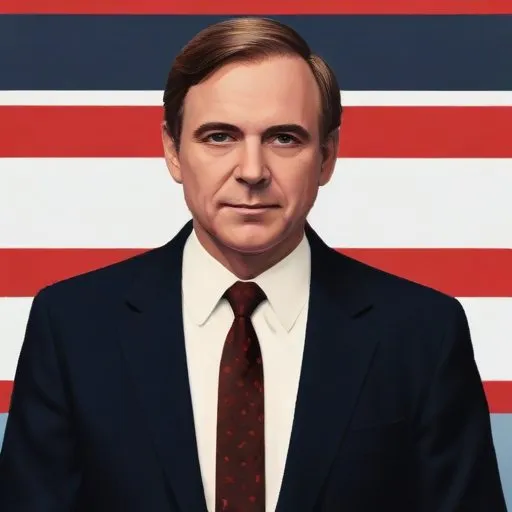
The 10th Mayor of Chicago, serving from 1846 to 1847, is most known for his efforts to improve the city's infrastructure and sanitation, particularly during a cholera outbreak. He also played a key role in establishing the city's first police force.
John Putnam Chapin, the 10th Mayor of Chicago, Illinois, left an indelible mark on the city's history with his visionary leadership and commitment to progress. Serving from 1846 to 1847, Chapin's tenure was marked by significant improvements to the city's infrastructure, economy, and civic institutions, cementing his legacy as a pioneering figure in Chicago's development.
Born on April 21, 1810, in Massachusetts, Chapin began his career in the mercantile business in Haverhill, New Hampshire, before relocating to Chicago in 1832. He quickly established himself as a prominent businessman, becoming a member of the wholesale and retail merchants firm Wadsworth, Dyer & Chapin. After the firm's dissolution in 1843, Chapin joined the Canal Boat Transportation Company, further solidifying his reputation as a shrewd and innovative entrepreneur.
In 1844, Chapin took his first foray into politics, serving as Chicago alderman from the 1st ward for a single term. Two years later, he ran for mayor against Democratic nominee Charles Follansbee and Liberty Party nominee Philo Carpenter, securing the office with an impressive 55% of the vote. As mayor, Chapin implemented a range of initiatives aimed at modernizing the city's infrastructure, including the construction of new roads, sidewalks, and bridges.
After leaving office, Chapin continued to serve the city, earning a seat on the city council in 1859. In 1861, he was nominated for the office of Commissioner of Public Works, although he declined the position due to partisan politics. Throughout his life, Chapin remained committed to the development of Chicago, playing a key role in the establishment of the Chicago Board of Trade, one of the city's most vital institutions.
Chapin's personal life was marked by a strong sense of community and philanthropy. He was a devoted husband and father, and his commitment to civic improvement extended beyond his official duties. Despite his many achievements, Chapin's later years were marked by personal struggles, including financial difficulties and health problems.
John Putnam Chapin's legacy extends far beyond his tenure as mayor. He played a pivotal role in shaping Chicago's identity, fostering growth, and promoting progress. Today, he is remembered as a visionary leader who helped lay the groundwork for the city's future success. Chapin's story serves as a testament to the power of innovative thinking, perseverance, and civic-mindedness, inspiring generations of Chicagoans to strive for greatness.
John Putnam Chapin's remarkable story is a testament to the enduring power of leadership, innovation, and community spirit. His legacy continues to inspire and influence the city he loved, shaping the course of Chicago's history for generations to come.
Born in 1902
The 48th Mayor of Chicago, a dominant figure in American politics, known for his strong leadership and machine-style politics that shaped the city's development. He played a crucial role in the 1968 Democratic National Convention.
Born in 1922
The first African American Mayor of Chicago, serving from 1983 until his death in 1987, known for his progressive policies and efforts to reform the city's government.
93 Years Old
The first female Mayor of Chicago, serving from 1979 to 1983, known for her efforts to revitalize the city's economy and infrastructure. She was a pioneering figure in Chicago politics.
84 Years Old
A self-made billionaire and former mayor of New York City, known for his philanthropic efforts and innovative approaches to urban governance.
82 Years Old
The 107th mayor of New York City, a lawyer and politician, is most known for leading the city through the 9/11 attacks and his controversial yet impactful tenure. He's also known for his work in reducing crime rates in NYC.
Born in 1896
Australian author and critic, best known for writing the classic mystery novel "Picnic at Hanging Rock", a haunting and atmospheric tale that has become an Australian literary icon.
Born in 1782
The first president born after American independence, he's known for being a skilled politician and statesman who navigated the country through the Panic of 1837. He's also remembered for being the first president born a citizen of the United States.
