


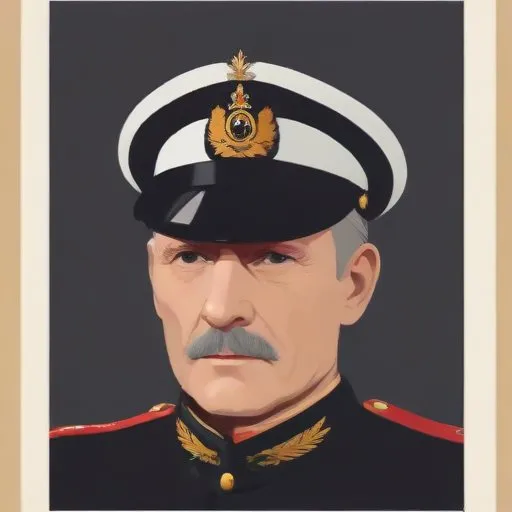
English naval officer who explored the Pacific and was the first European to sight the Fijian islands, leading to British colonization.
John Shortland, a British Royal Navy officer, is best known for his instrumental role in the discovery of the Hunter River in New South Wales, Australia, and his contributions to the mapping of the continent's coastline. As a master mariner and explorer, Shortland's expeditions and discoveries opened up new trading routes and paved the way for further British colonization in Australia.
John Shortland was born on September 5, 1769, to a naval family. His father, also named John, was a commander in the Royal Navy. Shortland's early life was marked by a strong maritime influence, and he joined the Royal Navy as a midshipman at a young age. He served in the West Indies from 1783 to 1787, gaining valuable experience that would later serve him well in his Australian expeditions.
In 1787, Shortland sailed to Australia with the First Fleet, a British expedition tasked with establishing a penal colony in New South Wales. As a master's mate on board the HMS Sirius, Shortland played a key role in the fleet's navigation and charting of the Australian coastline. During his time in Australia, he spent nearly five years on Norfolk Island, where the HMS Sirius was wrecked in 1790.
In 1797, while pursuing runaway convicts, Shortland entered the estuary of the Hunter River, which he named and charted, producing the first map of the harbour. This discovery was a significant milestone, as it opened up a new route for trade and commerce, and paved the way for the establishment of Newcastle, New South Wales.
After returning to England in 1792, Shortland was promoted to the rank of master and commander in 1800. He went on to serve in Egypt, where he achieved a remarkable feat by flying a kite over Pompey's Pillar, a famous ancient monument, and climbing it with his friend, John White.
Shortland's later years were marked by continued naval service, during which he played a significant role in the transportation of troops and supplies. He died on January 21, 1810, at the age of 40, leaving behind a legacy as a pioneering navigator and explorer.
John Shortland's discoveries and expeditions had a profound impact on the development of Australia. The discovery of the Hunter River and its naming (although it was initially referred to as the Coal River) paved the way for the establishment of Newcastle, New South Wales, which became a major industrial and commercial centre. The suburb of Shortland in Newcastle and the federal electoral Division of Shortland are named in his honour.
Shortland's contributions to the mapping of the Australian coastline and his expeditions in the Pacific Ocean have also had a lasting impact on the field of navigation and exploration. His bravery, skill, and determination have inspired generations of mariners and explorers, and his legacy continues to be felt to this day.
John Shortland's remarkable life and achievements serve as a testament to his courage, skill, and determination as a navigator and explorer. His legacy continues to inspire and educate people to this day, and his contributions to the development of Australia are still celebrated and recognized today.
Born in 1704
An 18th-century naval officer who governed Newfoundland and was court-martialed for failing to engage the enemy, leading to reforms in the British Navy's rules of engagement. He's infamous for being the first British admiral executed for cowardice.
67 Years Old
A renowned jockey and trainer, he won numerous prestigious races, including the Epsom Derby and St. Leger Stakes, and was known for his exceptional riding skills and innovative training methods.
