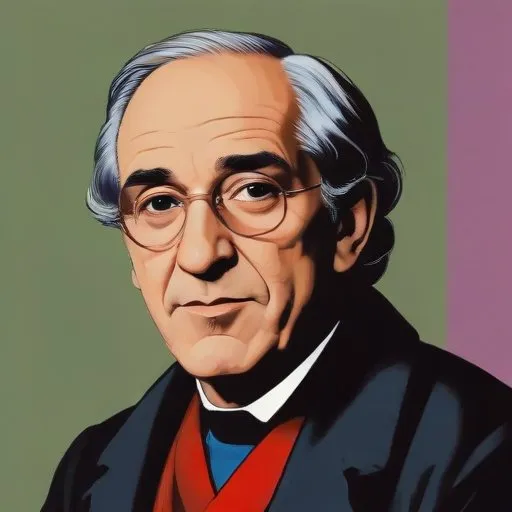
John Silber: A Visionary Academician and Public Figure
A Legacy of Academic Excellence and Public Service
John Silber, a renowned American academician, is best known for his tenure as President of Boston University (BU) from 1971 to 1996, and subsequently as Chancellor from 1996 to 2002. During his illustrious career, Silber also ventured into politics, securing the Democratic gubernatorial primary nomination in 1990, although he lost the general election to William Weld.
Early Life and Education
Born on August 15, 1926, in San Antonio, Texas, Silber was the second son of
Paul George Silber, an immigrant architect from Germany, and Jewell nee Joslin Silber, a Texas-born elementary school teacher. Despite being born with a malformed right arm, Silber never let his physical disability hinder his pursuit of excellence. He graduated summa cum laude from Trinity University in San Antonio, where he double-majored in fine arts and philosophy.
Academic Career and Philosophical Contributions
Silber's academic career spanned several institutions, including the University of Texas, where he served as professor of philosophy and dean of the College of Arts and Sciences from 1967 to 1970. His liberal reputation at Texas contrasted with his later conservative stance as a spokesman in academia at Boston University. Silber's philosophical contributions focused on the intersection of ethics, politics, and education, earning him recognition as a thought leader in his field.
Leadership and Reforms at Boston University
During Silber's presidency at Boston University, he implemented various reforms, including the creation of the University's first strategic plan, expansion of its international programs, and enhancement of its research facilities. Under his leadership, BU experienced significant growth, with enrollment increasing by over 40%. Silber's commitment to academic excellence and innovative thinking helped establish BU as a premier research institution.
Political Ambitions and Public Perception
Silber's foray into politics in 1990, when he won the Democratic gubernatorial primary, marked a significant departure from his academic pursuits. Although he lost the general election to
William Weld, Silber's campaign highlighted his commitment to public service and his willingness to engage in the broader political discourse. Silber's public persona was characterized by his conservative stance on various issues, which sometimes drew controversy and criticism.
Legacy and Impact
John Silber's legacy extends beyond his academic achievements and public service. He played a significant role in shaping the intellectual landscape of Boston University, leaving an indelible mark on the institution. Silber's commitment to education, ethics, and politics continues to inspire generations of scholars, educators, and public figures. His legacy serves as a testament to the power of visionary leadership and the importance of engaged citizenship.
Awards and Honors
- President Emeritus, Boston University (2003-2012)
- Chancellor, Boston University (1996-2002)
- President Ad Interim, Boston University (2002-2003)
- Democratic Gubernatorial Primary Nominee (1990)
Personal Milestones and Relationships
- Married to Kathryn Underwood Silber (1947-2012)
- Graduated summa cum laude from Trinity University (1949)
- Member of the National Honor Society, Jefferson High School (1943)
Timeline of Key Events
| Year |
Event |
| 1926 |
John Silber born on August 15 |
| 1943 |
Graduated from Jefferson High School |
| 1947 |
Married to Kathryn Underwood Silber |
| 1949 |
Graduated summa cum laude from Trinity University |
| 1971 |
Became President of Boston University |
| 1990 |
Won Democratic gubernatorial primary nomination |
| 1996 |
Became Chancellor of Boston University |
| 2002 |
Became President Ad Interim of Boston University |
| 2003 |
Became President Emeritus of Boston University |
| 2012 |
Passed away on September 27 |
Influence on Modern Society
John Silber's contributions to education, politics, and academia continue to shape the intellectual landscape of modern society. His commitment to public service, ethics, and intellectual inquiry serves as a beacon for future generations of scholars, educators, and public figures. Silber's legacy is a testament to the power of engaged citizenship and the importance of visionary leadership in promoting positive change in society.
FAQ
What was John Silbers area of philosophical specialization?
John Silber was an American philosopher and academic, known for his work in the areas of ethics, politics, and philosophy of education.
What was John Silbers most influential philosophical work?
John Silbers most influential philosophical work is his book Straight Shooting: Whats Wrong with America and How to Fix It, which critiques American culture and politics.
Did John Silber have a career in academia?
John Silber had a long and distinguished career in academia, serving as president of Boston University from 1971 to 1996.
What was John Silbers philosophy on education?
John Silber believed in the importance of liberal arts education, arguing that it was essential for fostering critical thinking, moral character, and civic responsibility.
How did John Silbers philosophical views impact his presidency?
John Silbers philosophical views on education and ethics informed his presidency at Boston University, as he sought to promote academic excellence, intellectual freedom, and social responsibility.