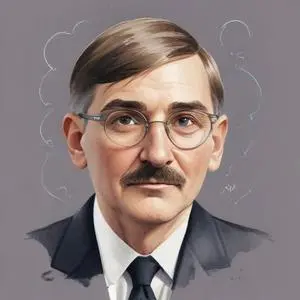
John Dewey: The Pioneer of Progressive Education and Democracy
A Legacy of Reform and Innovation
John Dewey was a trailblazing American philosopher, psychologist, and educational reformer who left an indelible mark on modern society. He is renowned for his unwavering commitment to democracy, progressive education, and his profound influence on the development of functional psychology.
Philosophical Contributions and Beliefs
Dewey's philosophical contributions were rooted in his belief that democracy and education were intertwined. He advocated for the importance of experimental intelligence, plurality, and communication among citizens, experts, and politicians to achieve complete democracy. His philosophical approach was characterized by a focus on pragmatism, emphasizing the importance of practical experience and experimentation in shaping knowledge and truth.
The Father of Functional Psychology
In 1896, Dewey published "The Reflex Arc Concept in Psychology," a seminal work that marked the beginning of the Chicago functionalist school of psychology. This paper laid the foundation for functional psychology, which focuses on the practical applications of psychology in everyday life. Dewey's work in this field earned him recognition as one of the 20th century's most influential psychologists, ranking 93rd in a 2002 survey by A Review of General Psychology.
Reforming Education through Progressive Principles
Dewey's progressive ideas on education revolutionized the way we think about learning and pedagogy. He founded the University of Chicago Laboratory Schools, where he applied and tested his innovative methods. His emphasis on student-centered learning, hands-on activities, and social responsibility continues to shape educational practices today.
Personal Milestones and Key Life Events
- October 20, 1859: Born in Burlington, Vermont
- 1882: Earned his Ph.D. from Johns Hopkins University
- 1894: Became a professor at the University of Chicago
- 1896: Published "The Reflex Arc Concept in Psychology"
- 1904: Founded the University of Chicago Laboratory Schools
- June 1, 1952: Passed away at the age of 92
Influence on Modern Society
Dewey's impact extends far beyond the realm of education and psychology. His commitment to democracy and social reform has inspired generations of scholars, policymakers, and social activists. His ideas on communication, pluralism, and experimental intelligence continue to shape modern democratic societies.
Major Works and Publications
- "Psychology" (1886)
- "The Reflex Arc Concept in Psychology" (1896)
- "The School and Society" (1899)
- "Democracy and Education" (1916)
- "Experience and Education" (1938)
Quotes and Memorable Sayings
- "Democracy and the one, ultimate, ethical ideal of humanity are to my mind synonymous."
- "Education is not preparation for life; education is life itself."
- "The only true education comes through the stimulation of the child's powers by the demands of the social situations in which he finds himself."
Legacy and Impact
John Dewey's legacy is a testament to his unwavering commitment to democracy, education, and social reform. His ideas continue to inspire and shape modern society, education, and psychology. As a pioneering figure in American intellectual history, Dewey's influence will endure for generations to come.
FAQ
What are John Deweys contributions to the field of psychology?
John Dewey made significant contributions to the field of psychology, particularly in the areas of functional psychology and pragmatism. His work focused on the importance of experience, habit, and social interaction in shaping human behavior.
What is John Deweys theory of education?
John Deweys theory of education emphasizes the importance of student-centered learning, hands-on experience, and social interaction. He believed that education should be a collaborative effort between teachers, students, and the community to promote critical thinking and problem-solving skills.
How did John Deweys philosophy influence American education?
John Deweys philosophy had a profound impact on American education, leading to a shift from traditional, authoritarian teaching methods to more progressive, student-centered approaches. His ideas continue to influence education reform efforts to this day.
What is John Deweys concept of democracy?
John Deweys concept of democracy emphasizes the importance of active citizen participation, social justice, and community engagement. He believed that democracy should be a dynamic, constantly evolving process that promotes the common good and protects individual rights.
What is John Deweys legacy in American philosophy?
John Deweys legacy in American philosophy is that of a pioneering thinker who challenged traditional notions of knowledge, reality, and human nature. His work continues to influence contemporary debates in philosophy, education, and politics.