


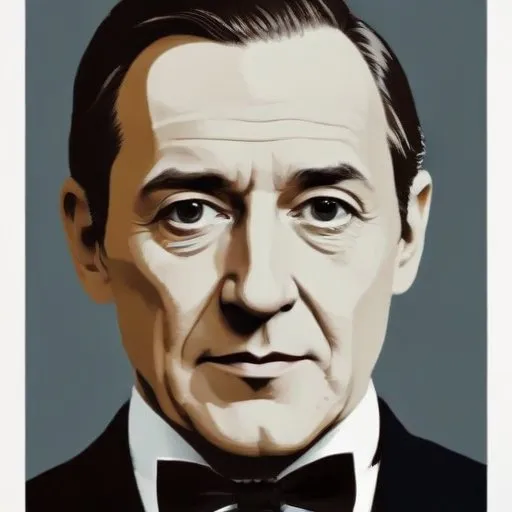
A pioneering advocate for press freedom and a vocal critic of government corruption, known for his fearless journalism and radical politics.
John Wilkes is remembered as a fiery English radical journalist and politician who dared to challenge the status quo in 18th-century Britain. He is best known for his relentless fight for parliamentary reform, freedom of the press, and the rights of the common man, earning him a reputation as a champion of liberty and democracy.
Born on October 17, 1725, in Clerkenwell, London, John Wilkes was the third child of distiller Israel Wilkes Jr. and Sarah Wilkes, née Heaton. He grew up in a middle-class family with six siblings and received his education at an academy in Hertford and later through private tuition.
In 1757, Wilkes was first elected as a Member of Parliament (MP) for Aylesbury, marking the beginning of his turbulent yet illustrious political career. His advocacy for the rights of the common man and his scathing critiques of the government earned him both admiration and animosity.
In 1768, Wilkes was arrested and imprisoned for publishing a scathing critique of King George III in his magazine, The North Briton. This led to widespread protests from his supporters, who demanded his release. On May 10, 1768, a protest in St. George's Fields turned violent, resulting in the deaths of several protesters. This brutal suppression of dissent only added to Wilkes' popularity and further galvanized his fight for parliamentary reform.
In 1771, Wilkes succeeded in obliging the government to concede the right of printers to publish verbatim accounts of parliamentary debates. This landmark achievement not only cemented his reputation as a champion of press freedom but also paved the way for greater transparency in government.
During the American War of Independence, Wilkes openly supported the rebels, further enhancing his popularity with American Whigs. However, his decision to command militia forces that helped put down the Gordon Riots in 1780 damaged his reputation among radicals, marking a turning point in his political career.
Wilkes' personal life was marked by controversy, including his reputation as a libertine. He retired from politics at the age of 65 and took no part in the social reforms that followed the French Revolution. Despite his later conservative leanings, John Wilkes is remembered as a pioneering figure in the fight for parliamentary reform, freedom of the press, and the rights of the common man.
Wilkes was a prolific writer and publisher, with his most notable works including The North Briton and The Grafton Journal. One of his most famous quotes remains, "I do not know whether I shall be able to make myself understood; but I shall try to do so, and to make the House of Commons understand themselves."
John Wilkes' tireless efforts to promote parliamentary reform, freedom of the press, and the rights of the common man have had a lasting impact on modern society. His legacy continues to inspire generations of politicians, journalists, and activists fighting for democracy and liberty around the world.
John Wilkes' unwavering commitment to the principles of liberty, democracy, and freedom of the press has left an indelible mark on British history. His legacy continues to inspire and motivate people around the world to fight for their rights and demand a more just and equitable society.
Born in 1749
A prominent 18th-century politician who championed individual liberties and opposed British imperialism, known for his charismatic oratory skills and influential foreign policy decisions.
Born in 1738
The British monarch who ruled during the American Revolution, losing the colonies, and later suffered a mental illness that led to a regency crisis. He's also known for his cultural and artistic patronage.
Born in 1846
A Nigerian priest and historian who wrote the first comprehensive history of the Yoruba people, providing valuable insights into their culture and traditions.
80 Years Old
Conservative talk radio personality known for outspoken views on politics and current events, often sparking controversy and debate.
Born in 1729
An 18th-century thinker who shaped modern conservatism, advocating for gradual social change and warning against the dangers of radical revolution. He's also known for his philosophical writings on aesthetics and the sublime.
Born in 1725
Chancellor of the Exchequer who imposed taxes on British American colonies, sparking widespread protests and contributing to the American Revolution.
97 Years Old
An American-Irish poet and academic, known for his lyrical and introspective poetry that explores themes of identity, history, and the human condition. His work is characterized by its accessibility and musicality.
