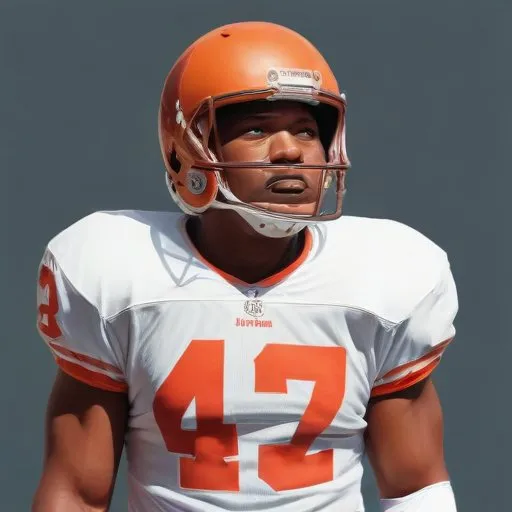
Johnny Mack Brown: The Legendary American Football Player and Film Actor
A Dynamic Duo: Football and Film
Johnny
Mack Brown is best known for his exceptional skills on the football field and his successful film career, earning him a revered spot in American sports and cinematic history. As a college football player, he led the University of Alabama's Crimson Tide to a national championship, and as a film actor, he starred in numerous Western films, becoming a household name in the 1930s and 1940s.
Early Life and Education
Born on September 1, 1904, in Dothan, Alabama, Brown was the son of Ed and Mattie Brown, one of eight siblings. He grew up in a family of shopkeepers and developed a passion for sports, particularly football, from an early age. Brown's exceptional talent on the field earned him a football scholarship to the University of Alabama, where he became an initiated member of the Kappa Sigma fraternity.
Football Career: The Dothan Antelope
Brown's football career was nothing short of remarkable. He was a prominent halfback on the University of Alabama's Crimson Tide football team, coached by Wallace Wade. His incredible speed earned him the nickname "The Dothan Antelope." Brown's impressive performance on the field led to his induction into the College Football Hall of Fame. Pop Warner, a renowned football coach, described Brown as "one of the fastest football players I've ever seen."
Notable Achievements
- 1924: Brown helped the Alabama Crimson Tide football team defeat Georgia Tech.
- 1925: He starred in the Rose Bowl, earning Most Valuable Player honors after scoring two of his team's three touchdowns in an upset win over the heavily favored Washington Huskies.
- 1925: Brown helped the Alabama Crimson Tide football team win a national championship, becoming the first southern team to do so.
Film Career: A Hollywood Star
Brown's good looks and powerful physique caught the attention of Hollywood executives, leading to a successful film career. In 1927, he signed a five-year contract with Metro-Goldwyn-Mayer (MGM) and began his journey as a film actor. Brown's rugged charm and athleticism made him a natural fit for Western films, and he went on to star in numerous movies throughout his career.
Legacy and Impact
Johnny Mack Brown's legacy extends beyond his impressive football career and film success. He played a significant role in shaping the sports landscape in the South, paving the way for future generations of athletes. Brown's impact on the film industry is equally notable, as he helped establish the Western film genre as a staple of American cinema.
Awards and Honors
- College Football Hall of Fame
- Rose Bowl Most Valuable Player (1925)
Personal Life and Later Years
After retiring from film, Brown returned to his roots in Alabama, where he lived a quiet life. He passed away on November 14, 1974, leaving behind a lasting legacy in both sports and film.
FAQ
What were Johnny Mack Browns achievements in football?
Johnny Mack Brown was an American football player and actor, playing college football at the University of Alabama, where he won the 1926 Rose Bowl and was a two-time All-American selection.
How did Johnny Mack Brown transition to acting?
Johnny Mack Brown transitioned to acting, initially starring in silent films and later becoming a popular Western film star, appearing in over 160 movies and television shows.
What were some of Johnny Mack Browns notable film roles?
Johnny Mack Brown starred in numerous films, including The Flamings Flapper (1927), The Singing Cowboy (1937), and Ghost Town Renegades (1942), often playing rugged cowboys and heroic figures.
How did Johnny Mack Browns athletic background influence his acting career?
Johnny Mack Browns athletic background and physical abilities brought an air of authenticity to his film roles, making him a popular action hero in Westerns and adventure films.
What is Johnny Mack Browns legacy in Hollywood history?
Johnny Mack Browns successful transition from athlete to actor serves as an early example of American sports heroes crossing over into entertainment, paving the way for future generations of athlete-actors.