


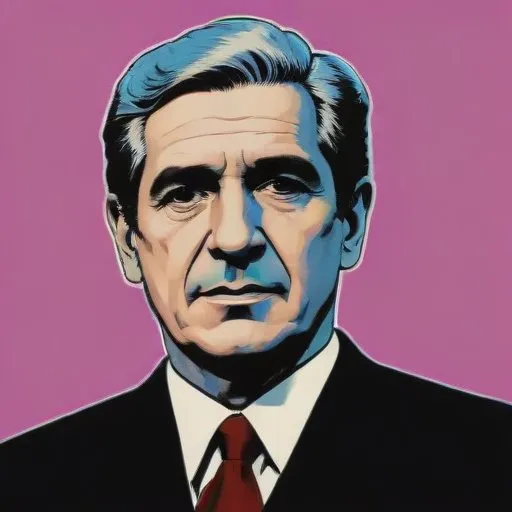
A Uruguayan lawyer and politician who served as the 32nd President of Uruguay, known for implementing economic reforms and promoting social welfare programs. He's remembered for his efforts to modernize the country's economy and improve living standards.
Jorge Batlle Ibez is renowned for his pivotal role in shaping Uruguay's modern history, serving as the country's 38th President from 2000 to 2005. During his tenure, he implemented radical economic reforms, bolstering the country's economy and propelling it towards unprecedented growth.
Born on October 25, 1927, in Montevideo, Uruguay, Batlle Ibez was destined for a life of public service. He hailed from a prominent political family, with his father, Luis Batlle Berres, serving as President of Uruguay from 1947 to 1951. This familial influence instilled in him a deep sense of responsibility and a passion for politics.
Batlle Ibez's political career spanned over five decades, beginning with his election to the Chamber of Deputies in 1958. He later became the leader of the Colorado Party, one of Uruguay's traditional ruling parties. His unwavering commitment to democracy and social justice earned him widespread respect and admiration.
As President, Batlle Ibez implemented a series of comprehensive economic reforms, aimed at revitalizing Uruguay's stagnant economy. His bold initiatives included:
These reforms had a profound impact on Uruguay's economy, propelling it towards sustained growth, increased foreign investment, and improved living standards for its citizens.
Batlle Ibez was a staunch advocate for democracy, social justice, and individual freedom. He believed in the importance of a strong, inclusive, and equitable society, where every citizen had access to quality education, healthcare, and economic opportunities.
On a personal level, Batlle Ibez was married to Mercedez Menafra, with whom he had three children. He was known for his charismatic leadership style, his passion for classical music, and his love for literature, particularly the works of Argentine writer, Jorge Luis Borges.
Batlle Ibez's presidency had a profound impact on modern Uruguay, shaping the country's economic, social, and political landscape. His legacy continues to inspire future generations of leaders and citizens, who strive to build a more just, equitable, and prosperous society.
"La patria es todos" ("The country is everyone's") – a phrase that encapsulates Batlle Ibez's vision for an inclusive, participatory democracy, where every citizen has a stake in the country's development.
Batlle Ibez's presidency marked a significant turning point in Uruguay's history, as the country transitioned from an era of authoritarian rule to a period of democratic consolidation. His reforms paved the way for sustained economic growth, making Uruguay one of the most stable and prosperous countries in South America.
Batlle Ibez was awarded the prestigious "Orden de Isabel la Católica" (Order of Isabella the Catholic) by King Juan Carlos I of Spain, in recognition of his outstanding contributions to democracy and social justice.
Batlle Ibez's visionary leadership and economic reforms have inspired a new generation of politicians, economists, and policymakers in Uruguay and beyond. His commitment to social justice, democracy, and human rights has left an indelible mark on the country's politics and society.
Jorge Batlle Ibez's remarkable life and legacy continue to inspire and motivate, serving as a testament to the power of visionary leadership and the importance of democratic values.
90 Years Old
A Uruguayan journalist, lawyer, and politician who served as the 29th President of Uruguay, known for his efforts to consolidate democracy and promote economic growth in his country.
86 Years Old
A physician-turned-politician who served as Uruguay's president, known for his efforts to strengthen the country's economy and healthcare system. He implemented progressive policies, including marijuana legalization and same-sex marriage.
91 Years Old
A former guerrilla fighter turned president, known for his humble and unconventional leadership style, donating 90% of his salary to charity and living on a farm.
