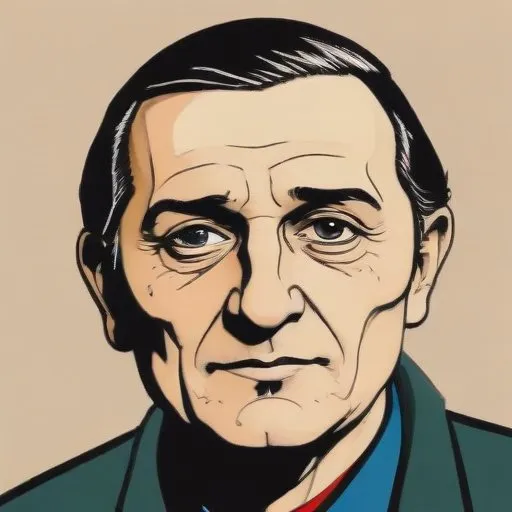
The Visionary Artistry of Josef Čapek: A Life of Creativity and Innovation
A Pioneer in Multiple Disciplines
Josef Čapek, a Czech artist born on March 23, 1887, is renowned for his multifaceted contributions to the world of art, literature, and poetry. He is best known for coining the term "robot," which was introduced into literature by his brother, Karel Čapek, and for his captivating work as a painter, writer, poet, and cartoonist.
Early Life and Artistic Development
Born in Hronov, Bohemia (now the Czech Republic), Čapek was initially drawn to the Cubist school of art, but he soon developed his own unique, playful, and minimalist style. This distinctive approach to art would eventually become a hallmark of his creative output.
Literary Contributions
Čapek's literary endeavors were marked by collaborations with his brother Karel on various plays and short stories. On his own, he wrote the utopian play
Land of Many Names, as well as several novels and critical essays. In these essays, he advocated for the art of the unconscious, children, and savages, showcasing his innovative approach to art and its relationship to human experience.
Visual Storytelling and Cartooning
As a cartoonist, Čapek worked for
Lidov Новiny, a newspaper based in Prague. His illustrated stories, such as
Povídky o pejskovi a kočičce (The Adventures of Puss and Pup), are considered classics of Czech children's literature. These works exemplify his ability to convey complex ideas and emotions through captivating visual narratives.
Philosophical Contributions and Beliefs
Čapek's artistic and literary works often reflected his philosophical views on the importance of the unconscious, the significance of children's art, and the value of savage art. These ideas were revolutionary for their time and continue to influence artistic expression and appreciation today.
Personal Milestones and Key Life Events
Čapek's life was marked by significant events that shaped his artistic and literary trajectory. One notable incident was his arrest in 1939 due to his critical attitude towards national socialism and
Adolf Hitler. During his imprisonment in the Bergen-Belsen concentration camp, he wrote
Povídky z koncentračního tábora (Poems from a Concentration Camp), a testament to his enduring creativity and resilience in the face of adversity.
Legacy and Impact
Despite his untimely death in 1945, Čapek's artistic and literary legacy continues to inspire generations of artists, writers, and thinkers. His pioneering work in multiple disciplines has left an indelible mark on modern art, literature, and culture. His brother, Karel, proudly acknowledged Josef as the true inventor of the term "robot," a testament to his innovative spirit and creative genius.
Major Works
- Lelio (1917)
- Ze života hmyzu (Pictures from the Insects' Life, 1921) - co-authored with Karel Čapek
- Povídky o pejskovi a kočičce (The Adventures of Puss and Pup, 1929)
- Stín kapradiny (1930) - novel
- Kulhavý poutník (1936) - essays
- Land of Many Names
- Povídky z koncentračního tábora (Poems from a Concentration Camp, published posthumously in 1946)
- Adam Stvořitel (Adam the Creator, co-authored with Karel Čapek)
Influence on Modern Society
Josef Čapek's innovative spirit, creative genius, and artistic vision have left a lasting impact on modern society. His contributions to art, literature, and philosophy continue to inspire new generations of artists, writers, and thinkers, ensuring his legacy as a visionary artist and intellectual.