


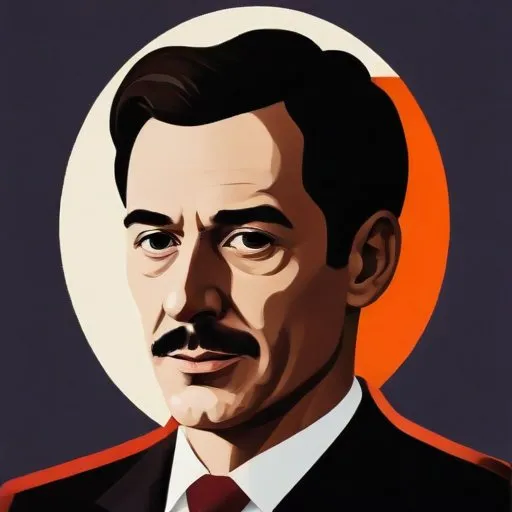
Pulitzer Prize-winning journalist and author, known for his in-depth reporting and biographies, including a critically acclaimed book on Mahatma Gandhi.
Joseph Lelyveld, a Pulitzer Prize-winning journalist and author, left an indelible mark on the world of journalism as the executive editor of The New York Times from 1994 to 2001. His illustrious career spanned nearly four decades, earning him recognition as a prominent figure in American journalism.
Born on April 5, 1937, in Cincinnati, Ohio, Lelyveld was raised in a Jewish family with a strong background in social activism. His father, Arthur Lelyveld, a Reform Jewish rabbi and political activist, instilled in him the importance of social justice and equality. Due to his father's frequent travels, Lelyveld was primarily raised by other relatives in New York City.
Lelyveld's academic pursuits led him to Harvard University, where he earned a BA degree in English and an MA in American history in 1958 and 1959, respectively. He later received his MS degree from Columbia University in 1960.
Lelyveld's remarkable career at The New York Times began in 1962, where he started as a copy editor and swiftly rose through the ranks to become a foreign correspondent. He held esteemed positions, including foreign editor and managing editor, before being appointed executive editor in 1994.
During his tenure, Lelyveld's leadership was instrumental in shaping the newspaper's editorial direction, earning it numerous awards and accolades. He also played a pivotal role in guiding the publication through a period of significant change and growth.
Lelyveld's literary prowess is evident in his thought-provoking books, which offer unique insights into the world of politics and social justice. His book, Move Your Shadow: South Africa, Black and White, based on his reporting from Johannesburg, South Africa, in the 1960s and 1980s, won the Pulitzer Prize for General Nonfiction in 1986.
His other notable work, Great Soul: Mahatma Gandhi and His Struggle with India, sparked controversy when it was banned in the Indian state of Gujarat in 2011. Lelyveld vehemently denied allegations that his book insinuated Gandhi was in a homosexual or homophilic relationship, citing that the book depicted Gandhi as celibate and deeply attached to his friends.
Joseph Lelyveld's remarkable career and literary achievements have left an indelible mark on American journalism. His commitment to upholding the highest standards of journalistic integrity and his dedication to telling the stories that need to be told have inspired generations of journalists.
Through his work, Lelyveld has demonstrated the power of journalism to shape public opinion, spark critical discourse, and bring about meaningful change. As a testament to his enduring legacy, his contributions continue to inspire and educate aspiring journalists, ensuring that his impact will be felt for years to come.
Joseph Lelyveld's remarkable life and career serve as a testament to the transformative power of journalism. His unwavering commitment to excellence, integrity, and social justice has left an indelible mark on the world of journalism, inspiring future generations to strive for greatness.
77 Years Old
A Pulitzer Prize-winning journalist and former executive editor of The New York Times, known for shaping public opinion and driving national conversations through in-depth reporting and editorial leadership.
Born in 1889
Co-founder of The New Republic, a pioneering journalist and publisher who shaped American political discourse with his influential writings and opinions. He's most known for his insightful commentary on democracy, politics, and society.
92 Years Old
Pulitzer Prize-winning journalist and author who covered the Civil Rights Movement and the Vietnam War, known for his in-depth reporting and bestselling books.
94 Years Old
A pioneering journalist and memoirist celebrated for his in-depth, immersive reporting style and influential books on American culture, such as "Frank Sinatra Has a Cold" and "Thy Neighbor's Wife".
