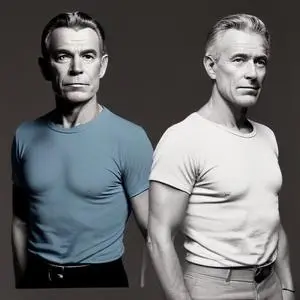
Joseph Pilates: The Pioneer of Physical Fitness
A Life Dedicated to Strength and Wellness
Joseph Pilates is renowned for inventing and promoting the Pilates method of physical fitness, a holistic approach to exercise that has transformed the lives of millions worldwide. With a focus on core strength, flexibility, and body control, Pilates' innovative techniques have become an integral part of modern fitness culture.
Early Life and Influences
Born on December 9, 1883, in Mönchengladbach, Germany, Joseph Hubertus Pilates was a sickly child who suffered from asthma, rickets, and rheumatic fever. His father, Heinrich Friedrich Pilates, a metal worker and enthusiast of gymnastics, introduced Joseph to the world of physical fitness at a young age. This early exposure sparked a lifelong passion for improving physical strength and well-being.
Apprenticeship and Early Career
Pilates' journey began as a gymnast and bodybuilder. In 1912, he moved to England, where he worked as a professional boxer, circus performer, and self-defense trainer for police schools and Scotland Yard. This diverse range of experiences laid the foundation for his future work in physical fitness.
Internment and Inspiration
During World War I, Pilates was interned at Lancaster Castle, where he refined his techniques and taught wrestling and self-defense to his fellow inmates. It was during this period that he studied yoga and animal movements, incorporating these elements into his fitness regimen. He often credited the intuitive movements of cats as a primary inspiration for his exercises.
The Birth of Pilates
Pilates developed his signature method during the war, combining elements of yoga, martial arts, and physical therapy. He believed that modern lifestyle, poor posture, and inefficient breathing were the root causes of poor health. By the time he was released from internment, Pilates had created a comprehensive system of exercises and training techniques.
Patents and Innovations
Throughout his lifetime, Pilates patented a remarkable 26 apparatuses, including the iconic Reformer, Cadillac, Wunda Chair, and Barre. These inventions revolutionized the fitness industry, providing a range of equipment that catered to diverse physical needs and abilities.
Legacy and Impact
Joseph Pilates' legacy extends far beyond his own practice. His method has inspired countless instructors, studios, and enthusiasts worldwide. Today, Pilates is an integral part of modern fitness culture, with its principles applied in physical therapy, dance, and sports training.
Quotes and Memorable Sayings
- "A man is only as young as his spine is flexible."
- "The only bad exercise is the one that you don't do."
- "You are only as strong as your weakest link."
Personal Milestones and Key Life Events
- 1912: Moved to England and worked as a professional boxer, circus performer, and self-defense trainer.
- 1914-1918: Interned at Lancaster Castle during World War I, where he refined his fitness techniques.
- 1920s: Developed and patented his signature apparatuses.
- 1967: Passed away on October 9, at the age of 83, leaving behind a lasting legacy in the world of physical fitness.
Legacy and Historical Context
Joseph Pilates' contributions to modern fitness culture are undeniable. His innovative approach to physical fitness has transcended generations, inspiring millions to adopt a healthier lifestyle. As a pioneer in the field, Pilates' work continues to influence contemporary fitness practices, solidifying his place in the annals of fitness history.
FAQ
What is Joseph Pilates contribution to fitness?
Joseph Pilates was a German-American fitness expert who developed the Pilates method, a holistic approach to physical fitness that combines exercises, breathing techniques, and mental focus to improve overall well-being.
What inspired Joseph Pilates approach to fitness?
Joseph Pilates was inspired by his own experiences as a sickly child and his observations of animals movements. He believed in the importance of building strength from the core and developing a strong connection between the body and mind.
What are the key principles of Joseph Pilates method?
The key principles of Joseph Pilates method include centering, concentration, control, precision, breathing, and flowing movement. These principles aim to improve flexibility, balance, and overall physical fitness.
How did Joseph Pilates method become popular?
Joseph Pilates method became popular through his work with dancers, including Martha Graham and Ruth St. Denis. His method was also adopted by physical therapists, athletes, and fitness enthusiasts, leading to its widespread popularity today.
What is Joseph Pilates legacy in the fitness industry?
Joseph Pilates legacy in the fitness industry is that of a pioneer who introduced a holistic approach to physical fitness. His method has been widely adopted and adapted, and continues to influence modern fitness trends and practices.