


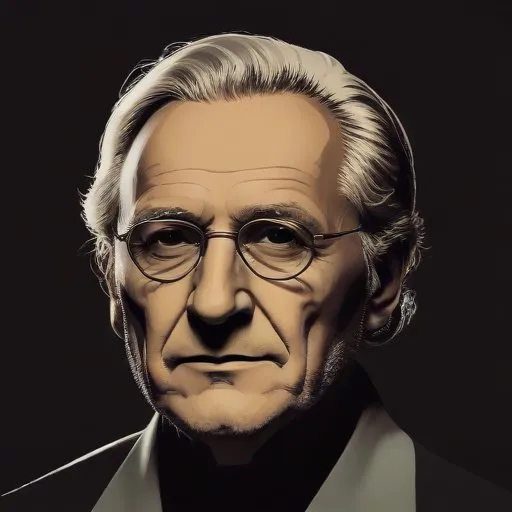
A German composer who wrote operas and sacred music, particularly known for his contributions to the development of the Classical period.
Joseph Schuster, a renowned German composer, is celebrated for his profound contribution to the world of opera, leaving an indelible mark on the musical landscape of the 18th century. Born in Dresden in 1748, Schuster's talent was nurtured from a young age, and he went on to create some of the most iconic operas of his time, including Didone abbandonata and Demofoonte.
Schuster's fascination with music began under the guidance of his father, a court musician, and later, Johann Georg Schrer. A scholarship from the Saxon Prince-electors enabled him to pursue his passion in Venice, where he studied with the esteemed Giovanni Battista Martini and G. Pera from 1765 to 1768. This period of tutelage laid the foundation for Schuster's future successes.
In 1776, Schuster's hard work and dedication culminated in the premiere of his first opera seria, Didone abbandonata, at the Teatro San Carlo in Naples. The opera's resounding success was followed by the premiere of Demofoonte in Forlì, solidifying Schuster's position as a rising star in the operatic world. His subsequent works, including L'amore artigiano, Lidolo cinese, and La schiava liberata, further cemented his reputation as a master of opera buffa.
Schuster's magnum opus, Der Alchymist oder Der Liebesteufel, is widely regarded as one of the finest examples of the singspiel genre. This enchanting work, which premiered in Dresden in 1778, showcases Schuster's exceptional skill in crafting melodies that transport audiences to a world of wonder and magic.
Beyond his operatic achievements, Schuster's compositional repertoire includes sacred works, chamber music, and orchestral pieces. His string quartets, which were long attributed to Mozart, were later revealed to be his own creations, a testament to his mastery of the genre. Schuster's music continues to inspire generations of musicians and composers, ensuring his legacy as a true melodic mastermind.
Joseph Schuster's remarkable life and career serve as a testament to the transformative power of music, leaving behind a rich legacy that continues to enchant and inspire audiences to this day.
Born in 1813
A revolutionary composer who transformed opera with his epic, mythological works, creating a new era of musical storytelling. His iconic operas, such as "Der Ring des Nibelungen," continue to captivate audiences worldwide.
Born in 1770
A musical genius who expanded the possibilities of classical music, creating iconic symphonies and piano sonatas that continue to inspire and influence generations of artists.
Born in 1811
A virtuosic pianist and composer who revolutionized classical music with his technically demanding and emotionally expressive works, blending Hungarian folk influences with Romantic-era drama.
Born in 1810
A renowned Romantic-era composer and influential music critic, known for his expressive and emotionally charged works, including symphonies, piano music, and art songs.
Born in 1833
A renowned pianist and composer, he crafted complex, expressive works that blended traditional and innovative techniques, leaving an indelible mark on classical music.
Born in 1809
A renowned 19th-century musician who masterfully blended classical and romantic styles, creating iconic works like the "Wedding March" and "Elijah" oratorio. His compositions continue to inspire and influence generations of artists.
Born in 1813
A renowned composer of iconic operas like La Traviata and Aida, known for his masterful blending of drama and music. His works continue to captivate audiences worldwide.
Born in 1803
A French Romantic-era mastermind who composed iconic symphonies, operas, and orchestral works, revolutionizing classical music with his bold, expressive style.
