


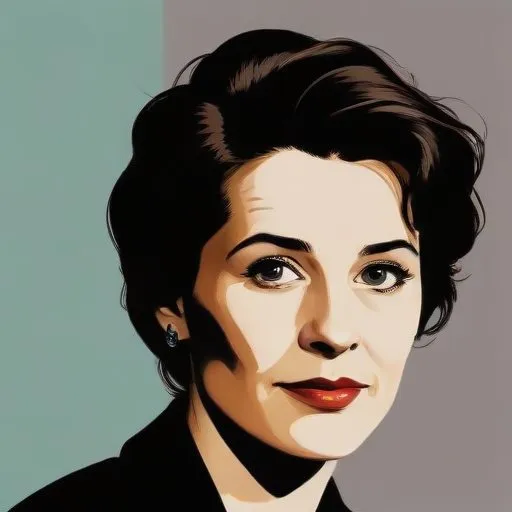
Wrote novels that explored the complexities of human relationships, morality, and social justice, often incorporating elements of fantasy and humor.
Renowned for his captivating novels that delve into the human condition, Joyce Cary is a celebrated Anglo-Irish writer and colonial official. His most notable works, including Mister Johnson and The Horse's Mouth, have left an indelible mark on the literary world.
Born on December 7, 1888, in his grandparents' home in Derry, Ulster, Ireland, Cary's early life was marked by a sense of displacement. His family, once prominent Plantation landlords in neighboring Inishowen, had lost their property due to the Irish Land Act of 1882. This sense of upheaval would later influence his writing, as he often explored themes of disruption and the fragility of life.
Cary spent his childhood between his grandparents' house in Ireland and Cromwell House in England, where his great-uncle resided. This dual upbringing is reflected in his autobiographical works, such as A House of Children (1941) and Castle Corner (1938), which offer a glimpse into his formative years.
Cary's literary career spanned several decades, during which he penned over 20 novels, as well as numerous essays, articles, and book reviews. His writing is characterized by its lyricism, humor, and profound insight into the human experience. His novels often blended elements of fantasy, philosophy, and social commentary, making him a unique voice in 20th-century literature.
Cary's writing often reflected his philosophical inclinations, which were shaped by his experiences as a colonial official and his observations of human nature. He believed in the importance of individual freedom and the need to question authority. His novels frequently explored the tension between individuality and the demands of society.
Joyce Cary's work continues to resonate with readers today, offering a unique perspective on the human condition. His novels have been translated into numerous languages, and his influence can be seen in the work of later writers, such as Salman Rushdie and Michael Ondaatje.
Cary was awarded the Royal Society of Literature's Award in 1948, in recognition of his outstanding literary achievements.
Joyce Cary's legacy extends beyond his literary output, as his life and works provide a window into the complexities of the human experience. His writing continues to inspire and challenge readers, offering a nuanced exploration of the human condition.
Born in 1906
A pioneering absurdist writer who crafted avant-garde novels, poems, and plays that probed the human condition, often with dark humor and existential themes. His works are renowned for their complexity and influence on modern literature.
Born in 1882
A pioneering modernist writer, known for experimental novels and short stories that explore the human experience, particularly in Dublin, Ireland. His works are celebrated for their complex, lyrical prose and innovative narrative structures.
Born in 1888
A pioneering playwright who explored the American experience through powerful, psychologically complex dramas, earning the Nobel Prize in Literature in 1936.
Born in 1865
A renowned Irish wordsmith and dramatist, celebrated for his mystical and nationalistic verse that explores the human condition, as well as his contributions to the Irish Literary Revival.
Born in 1854
A witty and flamboyant literary mastermind, renowned for crafting clever, humorous, and poignant works that continue to delight audiences with their clever wordplay and societal commentary.
Born in 1856
A renowned Irish playwright and critic, known for his witty, thought-provoking plays that often challenged social norms and conventions. His works include Pygmalion and My Fair Lady.
