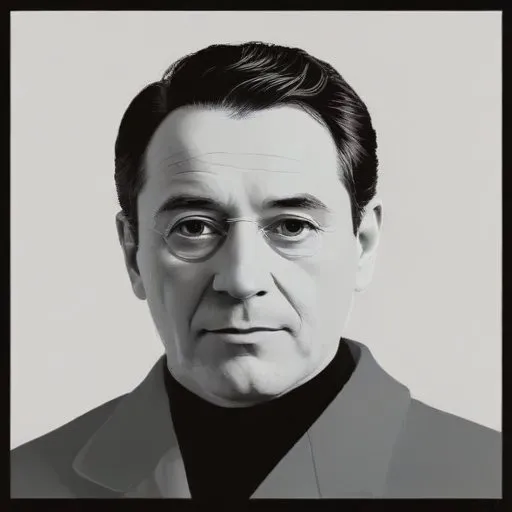
The Visionary Composer: Jrme-Joseph de Momigny
A Pioneer in Music Theory
Jrme-Joseph de Momigny was a Belgian-French composer and music theorist who left an indelible mark on the world of music. He is renowned for his groundbreaking work in music theory, particularly in the realms of rhythm and musical phrasing, which were far ahead of his time.
Life and Early Works
Born on January 20, 1762, in Philippeville, Belgium, Momigny demonstrated a passion for music from an early age. He went on to compose music and write books, including his seminal work, "Cours complet d'harmonie et de composition," which he printed himself. This three-volume masterpiece, published between 1803 and 1806, showcased his innovative theories on rhythm and musical phrasing.
Key Contributions
- New Theory on Rhythm and Musical Phrasing: Momigny's work challenged traditional notions of rhythm and musical phrasing, proposing a new approach that emphasized the significance of the upbeat over the downbeat. This radical idea was later adopted by Hugo Riemann, a renowned music theorist.
- Influence on Music Education: Momigny's writings had a profound impact on music education, shaping the way future generations of musicians understood and approached harmony and composition.
Publications
Momigny's written works span music theory and politics, showcasing his versatility as a thinker. Some of his notable publications include:
- Cours complet d'harmonie et de composition, 3 vols (1806)
- Expos succinct du seul système musical qui soit vraiment fondé et complet (1808)
- De l'ordre et du désordre, et de l'ordre du jour (1825)
- La Grande nouvelle humanitaire (1837)
Legacy
Despite his significant contributions to music theory, Momigny's life was marked by personal struggles. He died in 1842, at the Charenton asylum, a tragic end to a life marked by brilliance and innovation. Nevertheless, his legacy lives on, inspiring future generations of musicians and music theorists.
Remembering Jrme-Joseph de Momigny
Today, Momigny's work remains a testament to his boundless creativity and intellectual curiosity. His theories continue to influence music education, and his compositions remain a testament to his artistic genius. As a pioneer in music theory, Jrme-Joseph de Momigny's legacy will continue to inspire and educate music lovers for generations to come.
FAQ
Who was Jérôme-Joseph de Momigny and what was his contribution to music?
Jérôme-Joseph de Momigny was a Belgian-French composer and theorist, who made significant contributions to the development of music theory and pedagogy. He was known for his innovative approach to music education and his compositions, which included orchestral works, chamber music, and sacred music.
What is the significance of Jérôme-Joseph de Momignys Cours complet dharmonie et de composition?
Jérôme-Joseph de Momignys Cours complet dharmonie et de composition is a seminal work on music theory, which provides a comprehensive account of harmony, counterpoint, and composition. It is considered one of the most important works on music theory of the late 18th century.
How did Jérôme-Joseph de Momignys work influence the development of music pedagogy?
Jérôme-Joseph de Momignys work had a profound impact on the development of music pedagogy, as his approach to music education emphasized the importance of practical training and theoretical understanding. His methods were adopted by many music schools and conservatories, and continue to influence music education today.
What was Jérôme-Joseph de Momignys role in the development of the concert symphony?
Jérôme-Joseph de Momigny played a significant role in the development of the concert symphony, as he was one of the first composers to write symphonies in the modern sense. His symphonies, such as his Symphonie concertante, showcase his mastery of orchestration and form.
What is Jérôme-Joseph de Momignys legacy in modern music?
Jérôme-Joseph de Momignys legacy in modern music is that of a visionary composer and theorist, who contributed significantly to the development of music theory, pedagogy, and composition. His work continues to influence musicians and scholars today, and his compositions remain an important part of the classical music repertoire.