


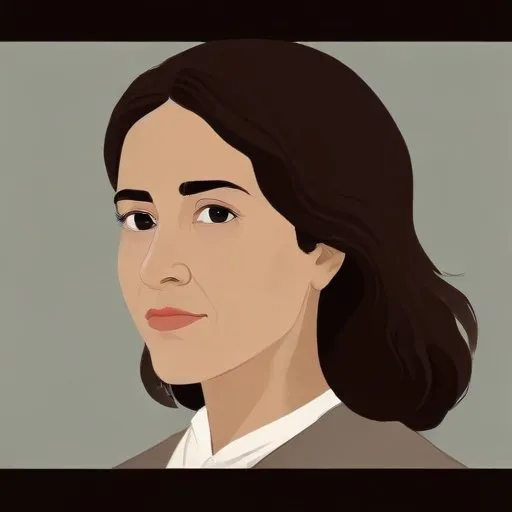
A pioneering female voice in Latin American literature, celebrated for her passionate and intimate poetry that explores themes of love, nature, and feminism.
Juana de Ibarbourou, affectionately known as Juana de América, was a Uruguayan poet and writer who revolutionized the literary world with her sensual and nature-inspired poetry. She is renowned for being one of the most popular writers of Spanish America, and her work continues to inspire feminist movements and literary enthusiasts alike.
Born Juana Fernández Morales on March 8, 1892, in Melo, Cerro Largo, Uruguay, Ibarbourou's early life was marked by a strong desire for education and self-expression. She began her studies at the José Pedro Varela school in 1899, eventually moving to a religious school and two public schools thereafter.
In 1909, at the tender age of 17, Ibarbourou published her first prose piece, "Derechos femeninos" (Women's Rights), marking the beginning of her lifelong career as a prominent feminist. This early work demonstrated her commitment to challenging societal norms and fighting for women's equality.
In 1913, Ibarbourou married Captain Lucas Ibarbourou Trillo in a civil ceremony, with whom she had a son, Julio César Ibarbourou Fernández, in 1914. The couple remarried in a religious ceremony in 1921. However, their son's struggles with addiction and debt would later become a significant challenge for Ibarbourou, forcing her to sell her properties and possessions to support him.
Ibarbourou's poetry is characterized by its sensuality, naturalism, and pantheistic themes. Her work often explores the intricate relationships between human emotions and the natural world. Some of her most notable poems, such as "La Higuera" and "Como La Primavera," celebrate the beauty and strength of women, solidifying her position as a pioneering feminist poet.
Ibarbourou was nominated for the Nobel Prize in Literature four times, a testament to her significant contributions to Spanish American literature. Her poetry and philosophy have inspired generations of writers, feminists, and social activists, ensuring her legacy as one of the most important Uruguayan writers of the 20th century.
Today, Juana de Ibarbourou's work continues to inspire feminist movements and literary enthusiasts around the world. Her poetry serves as a powerful reminder of the importance of self-expression, women's empowerment, and the interconnectedness of human experiences with the natural world.
"The tree is beautiful, but the fig tree is more beautiful because it has been wounded." – Juana de Ibarbourou
This quote encapsulates Ibarbourou's philosophy of embracing imperfection and celebrating the beauty in vulnerability, a theme that permeates her poetry and inspires her readers.
Juana de Ibarbourou's remarkable life and work continue to inspire generations of feminists, writers, and social activists. Her poetry serves as a powerful reminder of the importance of self-expression, women's empowerment, and the interconnectedness of human experiences with the natural world. As a pioneering figure in Latin American literature, Ibarbourou's legacy ensures her place as one of the most important Uruguayan writers of the 20th century.
Born in 1892
A pioneering female poet and writer who broke conventions with her bold, sensual, and feminist works, earning her a prominent place in Argentine literary history.
Born in 1889
A Chilean poet and educator who was the first Latin American to win the Nobel Prize in Literature, known for her passionate and introspective poetry that explores themes of love, nature, and social justice.
Born in 1904
A Chilean poet and diplomat who wrote passionate and evocative poetry that explored love, politics, and the human condition, and was awarded the Nobel Prize in Literature in 1971.
Born in 1898
A Spanish poet, playwright, and director who explored themes of love, death, and Spanish culture through his works, including the famous play "Blood Wedding".
Born in 1899
A visionary writer who crafted intricate, philosophical tales that blurred reality and fantasy, influencing generations of authors and thinkers. 82
Born in 1914
A Mexican poet and diplomat who won the Nobel Prize in Literature in 1990 for his work that explores the intersection of poetry, philosophy, and politics. He's known for his lyrical and introspective style that explores the human condition.
