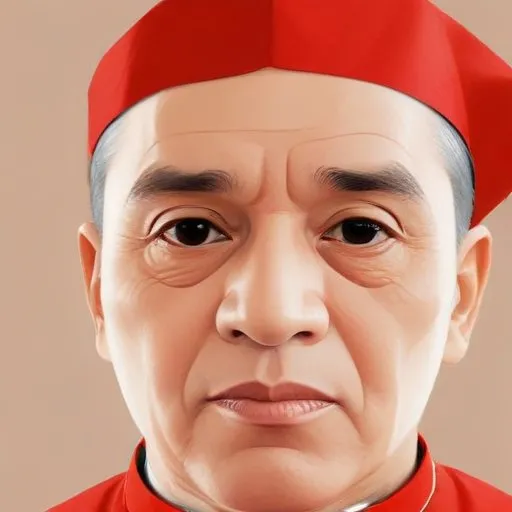
Julio Rosales: A Cardinal of Unwavering Devotion and Leadership
A Life of Dedicated Service to the Catholic Church
Julio Rosales, the second Archbishop of Cebu, was a Filipino cardinal renowned for his unwavering commitment to the Catholic Church and his instrumental role in shaping the religious landscape of the Philippines. Throughout his illustrious career, he demonstrated unparalleled dedication, earning him the respect and admiration of his peers and the faithful alike.
Early Life and Formation
Born on September 18, 1906, in Calbayog, Philippines, Julio Rosales embarked on a journey of spiritual discovery, leading him to pursue a life of priesthood. He completed his studies at the Seminary of Calbayog and was ordained in his hometown on June 2, 1929. The ensuing years saw him engage in pastoral work in the diocese of Calbayog, honing his skills and deepening his understanding of the Church's teachings.
Rise to Prominence
On September 21, 1946, Rosales was consecrated bishop of Tagbilaran, marking the beginning of his ascendance to prominent roles within the Church. His exemplary leadership and vision earned him a promotion to the metropolitan see of Cebu on December 17, 1949. During his tenure, Cebu hosted the grand celebrations for the 400th anniversary of the Christianization of the Philippines in 1965, showcasing his ability to bring people together in faith.
Elevation to the College of Cardinals
Pope Paul VI recognized Rosales' outstanding contributions to the Church by elevating him to the College of Cardinals in the consistory of April 28, 1969. He was assigned the titular church of Sacro Cuore di Gesù agonizzante a Vitinia, further solidifying his position as a respected and influential figure within the Catholic hierarchy. Rosales subsequently participated in both conclaves of 1978, demonstrating his commitment to the papal election process.
Legacy and Later Life
Rosales resigned from the pastoral government of his archdiocese on August 24, 1982, but his unwavering devotion to the Church remained unchanged. He passed away on June 2, 1983, in Cebu City, leaving behind a legacy of spiritual guidance and leadership. His remains are interred at the mausoleum of the Roman Catholic Metropolitan Cathedral in Cebu City, where his mementos are proudly displayed at the Cathedral Museum of Cebu, serving as a testament to his enduring impact on the Catholic community.
Personal Relationships and Anecdotes
Rosales' family ties were notable, with his brother, Decoroso Rosales, serving as a Philippine Senator. The senator's grandson, Julio Rosales II, was named in his honor, reflecting the strong bond within the Rosales family.
Historical Context and Legacy
Julio Rosales' life and achievements are inextricably linked to the rich history of the Catholic Church in the Philippines. His tireless efforts to promote faith and unity have left an indelible mark on the religious landscape of the country. As a cardinal, he played a crucial role in shaping the Church's response to the challenges of the modern era, leaving behind a legacy of devotion, leadership, and service to the faithful.
FAQ
What was Julio Rosales role in the Catholic Church?
Julio Rosales was a Filipino cardinal of the Catholic Church, serving as the Archbishop of Cebu from 1949 to 1982.
How did Julio Rosales contribute to the Catholic Church in the Philippines?
Julio Rosales made significant contributions to the Catholic Church in the Philippines, serving as a leader and mentor to many young priests and bishops.
What was Julio Rosales stance on social issues?
Julio Rosales was known for his progressive stance on social issues, advocating for social justice and human rights in the Philippines.
What honors did Julio Rosales receive for his service to the Church?
Julio Rosales received several honors for his service to the Church, including being elevated to the cardinalate in 1969.
What is Julio Rosales legacy in the Catholic Church?
Julio Rosales legacy in the Catholic Church is that of a dedicated servant and leader, who worked tirelessly to promote the values of the Church and serve the people of the Philippines.