


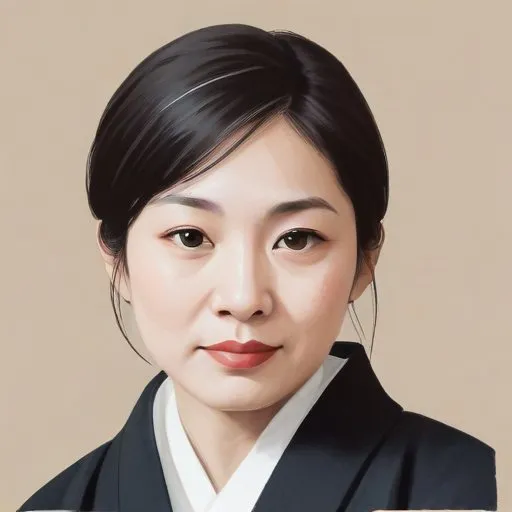
A Japanese literary figure celebrated for his poignant poetry and novels exploring themes of love, nature, and the human condition. His works often blended traditional Japanese styles with modernist elements.
Jun Henmi, a renowned Japanese writer and poet, is best known for her heart-wrenching stories that bring to life the human experiences of those affected by World War II. Her works of fiction and nonfiction have left an indelible mark on the literary world, offering a poignant portrayal of the war's devastating impact on individuals and communities.
Born Mayumi Shimizu on July 26, 1939, in Mizuhashi, Toyama Prefecture, Japan, Henmi was the daughter of Genyoshi Kadokawa, founder of the prominent publisher Kadokawa Shoten. Her family's literary background and her father's influence likely shaped her early interest in writing. Her older brother, Haruki Kadokawa, would also go on to become a well-known figure in the Japanese literary and film industries.
Henmi's writing career was marked by a deep empathy for those affected by war. Her 1983 book, Yamato: The Last Battle (Otokotachi no Yamato, lit. Yamato of Men), tells the story of the crew members of the Japanese battleship Yamato and their final voyage during Operation Ten-Go. This powerful work earned her the prestigious Nitta Jir Culture Prize in 1984 and was later adapted into a 2005 film.
Her 1989 book, Farewell Notes from a Prison Camp (Shyjo kara Kita Isho), is a poignant compilation of notes received by the family of a man who died in a Russian prison camp in Siberia, 10 years after the war. This work earned her two nonfiction literary awards, cementing her reputation as a masterful storyteller.
Jun Henmi's passing on September 21, 2011, at the age of 72, marked the end of an era in Japanese literature. Her works continue to serve as a testament to the human cost of war, offering a powerful reminder of the importance of empathy and understanding. Through her writing, Henmi has left an indelible mark on the literary world, inspiring generations of writers and readers alike.
Henmi's legacy extends beyond her literary contributions, as well. Her family's publishing house, Kadokawa Shoten, remains a prominent force in Japanese literature, and her brother's work in film and literature continues to influence contemporary Japanese popular culture.
Despite her literary success, Henmi's personal life remained relatively private. She lived in a Tokyo suburb, where she passed away suddenly after collapsing at home.
Throughout her life, Henmi was driven by a deep commitment to telling the stories of those affected by war. Her remarkable body of work serves as a testament to her unwavering dedication to capturing the human experience.
Born in 1862
A Japanese military leader, writer, and poet who introduced Western literature to Japan and wrote influential works that blended Eastern and Western styles.
Born in 1878
A pioneering Japanese poet, feminist, and social reformer who advocated for women's rights, pacifism, and social change through her powerful writings. Her works continue to inspire generations of women and social activists.
Born in 1899
A Japanese novelist and short story writer who explored the human condition through lyrical and poignant tales, often focusing on the intricacies of Japanese culture and the fragility of life.
