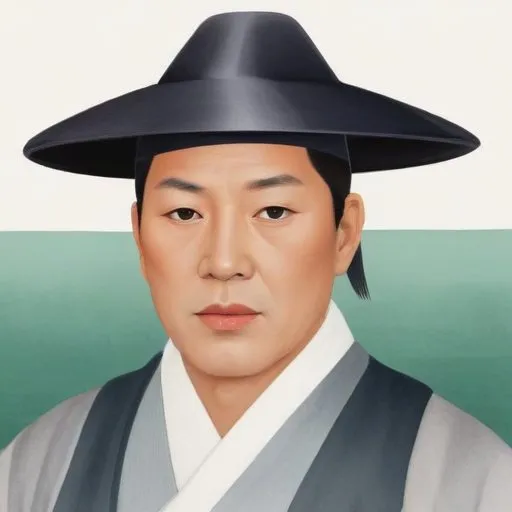
Jungjong of Joseon: The Reformist King of Korea's Golden Age
A Champion of Justice and Education
Known for his courageous efforts to reform the Joseon dynasty and bring prosperity to Korea, Jungjong, the 11th monarch, is remembered as a champion of justice, education, and social equality. His reign, marked by significant accomplishments, saw the dawn of a new era of peace and prosperity in Korea.
Rise to Power and Early Reforms
Born as Yi Yeok on April 25, 1488, Jungjong ascended to the throne in 1506, following the deposition of his tyrannical half-brother, Yeonsangun. Initially, he faced opposition from the powerful nobles who had put him on the throne, but as they gradually lost power, Jungjong began to assert his authority.
Jo Gwangjo's Reforms and the Rise of Sarim Scholars
Jungjong joined forces with the brilliant scholar Jo Gwangjo, who introduced a series of revolutionary reforms. These included the establishment of the Hyangyak system, which promoted local autonomy, and the translation of Confucian writings into Hangul, making them accessible to a wider audience.
A Pioneer of Social Justice
Jungjong's commitment to social justice led to the introduction of a supplementary system to recruit talented individuals, regardless of social status, into the government. This bold move aimed to reduce the gap between the rich and the poor, and promote equality and meritocracy.
Land Reform and Merit-Based Governance
The king's land reform policies ensured a more equitable distribution of land, reducing the power of wealthy landowners and promoting a more balanced society. By introducing merit-based governance, Jungjong encouraged competition and innovation, laying the foundation for Korea's Golden Age.
Cultural and Educational Achievements
Jungjong's reign saw a resurgence in cultural and educational development. He reopened the prestigious Sungkyunkwan University, also known as the royal university, and the Office of Censors, which ensured accountability and transparency in governance.
Promoting Confucian Values and Korean Identity
The king's support for Confucian values and education helped solidify Korea's cultural identity. By promoting the study of Confucian classics and encouraging the development of Korean literature, Jungjong fostered a sense of national pride and cohesion.
Legacy and Impact
Jungjong's reforms and policies had a profound impact on Korean society, paving the way for a period of rapid growth and development. His commitment to social justice, education, and cultural enrichment earned him a revered place in Korean history, and his legacy continues to inspire generations to come.
A Lasting Legacy of Progress and Prosperity
Jungjong's 38-year reign, marked by courage, wisdom, and compassion, left an indelible mark on Korea's history. His vision for a more just and equitable society continues to shape the nation's values and aspirations, making him one of the most beloved and respected monarchs in Korean history.
FAQ
Who was Jungjong of Joseon?
Jungjong of Joseon was the 11th king of the Joseon Dynasty of Korea, ruling from 1506 to 1544. He was the son of King Yeonsan and was known for his efforts to strengthen the Korean economy and military.
What were Jungjongs major accomplishments?
Jungjongs major accomplishments included strengthening the Korean military, promoting trade and commerce, and establishing the Office of the Inspector General to monitor government officials.
What was Jungjongs relationship like with his officials?
Jungjong was known for his trust in his officials and his willingness to listen to their advice. He was also known for his fairness and justice in dealing with his officials and the general population.
What was Jungjongs foreign policy like?
Jungjongs foreign policy focused on maintaining good relations with China and protecting Korea from Japanese pirates and bandits. He was also known for his efforts to promote cultural exchange with China.
What was Jungjongs legacy?
Jungjongs legacy was one of stability and prosperity for the Joseon Dynasty. He was remembered as a wise and just king who strengthened the Korean economy and military, and promoted cultural exchange with China.