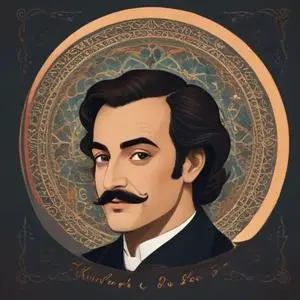
Kahlil Gibran: The Voice of the Soul
A Poet, Philosopher, and Artist Extraordinaire
Kahlil Gibran is renowned for his iconic book,
The Prophet, a timeless masterpiece that has been translated into over 100 languages, making it one of the bestselling books of all time. This Lebanese-American writer, poet, and visual artist has left an indelible mark on the world, inspiring generations with his profound wisdom and poetic flair.
A Life of Creative Expression
Born on January 6, 1883, in Bsharri, a village in the Ottoman-ruled Mount Lebanon Mutasarrifate, Gibran's early life was marked by turmoil and displacement. His family immigrated to the United States in 1895, where he developed his creative skills, drawing and writing with remarkable talent. His breakthrough came when his teacher introduced him to photographer and publisher F. Holland Day, who recognized his exceptional abilities.
A Voyager of the Soul
Gibran's life was a testament to his boundless curiosity and thirst for knowledge. He traveled extensively, immersing himself in various cultures and philosophies. His sojourns in Paris, where he studied art from 1908 to 1910, greatly influenced his work. During this period, he came into contact with Syrian political thinkers who inspired his writings on rebellion and anticlericalism.
The Birth of a Masterpiece
In 1923, Gibran's magnum opus,
The Prophet, was published in the United States. This collection of 26 poetic essays has become a spiritual guide for millions, offering insights into love, marriage, children, and spirituality. The book's universal appeal lies in its ability to transcend cultural boundaries, speaking directly to the human experience.
A Life of Love and Loss
Gibran's personal life was marked by tragedy, including the loss of his mother, brother, and sister at a young age. However, his relationships with Mary Haskell, a benefactress, and Jessie Ransom, a writer, were instrumental in shaping his life and work. These connections not only provided emotional support but also influenced his artistic vision.
Philosophical Contributions and Beliefs
Gibran's writings reflect his deep understanding of mysticism, spirituality, and the human condition. He believed in the unity of all religions and the importance of individualism. His philosophical contributions lie in his ability to distill complex ideas into poetic, accessible language.
Influence on Modern Society
Kahlil Gibran's works have inspired countless individuals, including leaders, artists, and writers. His influence extends to various fields, from literature and art to music and spirituality. The Prophet has been a guiding light for many, offering solace and wisdom in times of uncertainty.
Legacy and Impact
Gibran's legacy is a testament to his boundless creativity and philosophical insight. His work continues to inspire new generations, fostering a deeper understanding of the human experience. As a poet, philosopher, and artist, Kahlil Gibran's impact on modern society is a lasting tribute to his genius.
Quotable Quotes
- "The deeper that sorrow carves into your being, the more joy you can contain."
- "You may give them your love but not your thoughts, for they have their own thoughts."
- "Love one another, but make not a bond of love: Let it rather be a moving sea between the shores of your souls."
A Timeless Legacy
Kahlil Gibran's life and work serve as a poignant reminder of the transformative power of art and literature. His words continue to resonate with people from diverse backgrounds, cultures, and faiths, ensuring that his legacy will endure for generations to come.