


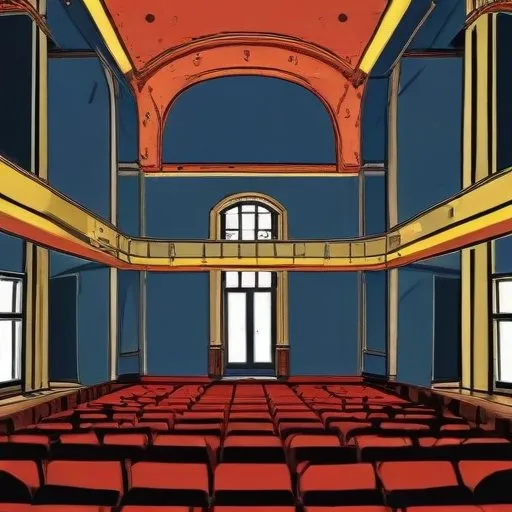
A renowned German painter and architect who designed iconic buildings, including the Konzerthaus Berlin, leaving a lasting mark on the city's cultural landscape.
Karl Friedrich Schinkel was a renowned Prussian architect, city planner, and painter who left an indelible mark on the architectural landscape of Germany. Known for his mastery of both Neoclassical and neo-Gothic styles, Schinkel's iconic buildings can be found in and around Berlin, shaping the city's aesthetic identity.
Born on March 13, 1781, in Neuruppin, Margraviate of Brandenburg, Schinkel's life was marked by tragedy when his father died in the disastrous Neuruppin fire of 1787, when Schinkel was just six years old. This event led him to find solace in art, becoming a student of architect Friedrich Gilly and his father, David Gilly, in Berlin.
Schinkel's initial passion was painting, and he even traveled to Italy in 1805 to hone his skills. However, after being inspired by Caspar David Friedrich's painting "Wanderer above the Sea of Fog" at the 1810 Berlin art exhibition, he realized that he would never achieve the same level of mastery and shifted his focus to architecture.
Schinkel's creative prowess extended to the world of theater, where he designed a starspangled backdrop for the appearance of the Queen of the Night in Wolfgang Amadeus Mozart's opera "The Magic Flute" in 1816. This design has been referenced in modern productions, a testament to his enduring influence.
Following Napoleon's defeat, Schinkel oversaw the Prussian Building Commission, responsible for reshaping Berlin into a representative capital for Prussia. He also spearheaded projects in the expanded Prussian territories, from the Rhineland to Knigsberg, including the New Altstadt Church and the renovation of Schloss Rosenau, Coburg, in the Gothic Revival style.
Schinkel's portrait appeared on the 1,000 Deutsche Mark note, a testament to his significant contribution to German architecture. He passed away on October 9, 1841, in Berlin, Province of Brandenburg, leaving behind a rich architectural heritage that continues to inspire generations.
Schinkel's work was not without controversy, as some critics viewed his Neoclassical style as too rigid and unyielding. However, his innovative use of Gothic Revival elements and his ability to adapt to changing styles earned him widespread acclaim.
Schinkel's architectural innovations have had a profound impact on modern urban planning and design. His emphasis on functionality, aesthetics, and historical context continues to influence contemporary architects, ensuring his legacy remains relevant in the 21st century.
Schinkel's work is often compared to that of his contemporaries, such as Carl Gotthard Langhans, who shaped the Neoclassical style in Prussia. While Langhans' work was more restrained, Schinkel's innovative approach introduced a new level of complexity and depth to German architecture.
Schinkel's architectural philosophy was rooted in his belief that buildings should reflect the cultural and historical context in which they were built. He advocated for a harmonious balance between functionality, aesthetics, and historical significance, a philosophy that continues to inspire architects today.
Schinkel's remarkable career, marked by innovation, adaptation, and a deep understanding of architectural history, has left an indelible mark on the world of architecture. His legacy continues to inspire and influence architects, ensuring his work remains relevant and timeless.
Born in 1749
A German literary giant who penned iconic works like "Faust" and "The Sorrows of Young Werther", shaping the Romantic movement and influencing countless writers.
Born in 1759
A renowned poet and playwright who crafted influential works that explored the human condition, morality, and the struggle for freedom, leaving a lasting impact on German literature.
Born in 1774
A 19th-century Romantic painter and etcher, renowned for his mystical and contemplative landscapes that often featured ruins, mountains, and misty skies, evoking a sense of spirituality and connection to nature.
Born in 1809
A renowned 19th-century musician who masterfully blended classical and romantic styles, creating iconic works like the "Wedding March" and "Elijah" oratorio. His compositions continue to inspire and influence generations of artists.
Born in 1810
A renowned Romantic-era composer and influential music critic, known for his expressive and emotionally charged works, including symphonies, piano music, and art songs.
Born in 1819
A renowned 19th-century pianist and composer, she was one of the first females to achieve recognition in a male-dominated field, creating over 60 pieces of music. Her compositions showcased romanticism and lyricism.
Born in 1798
A Romantic-era master of expressive brushstrokes and vivid color, creating iconic works that captured the drama and emotion of historical and literary scenes.
