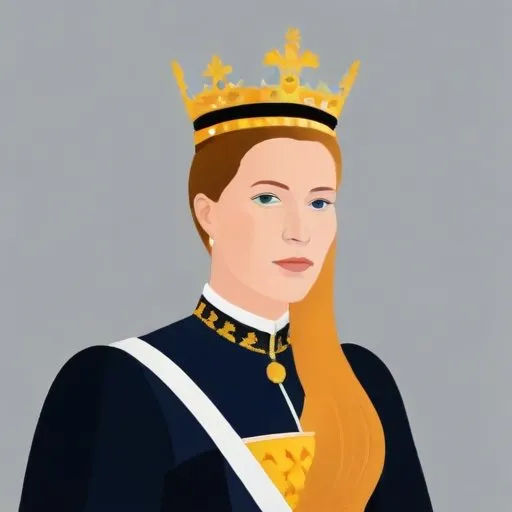
Katarina Stenbock: The Unyielding Swedish Queen and Architect of Power
A Trailblazing Marriage and Ascendancy to the Throne
Katarina Stenbock, the second wife of King Gustav Vasa of Sweden, is renowned for her unwavering ambition, shrewd diplomacy, and singular focus on maintaining her family's grip on power. This enigmatic queen's remarkable life was marked by a series of strategic marriages, clever political maneuvering, and an unrelenting pursuit of her family's interests, earning her a permanent place in the annals of Swedish history.
Early Life and Origins
Born in 1535, Katarina was a member of the influential Stenbock family, one of Sweden's most prominent noble households. Her father, Gustav Olofsson Stenbock, was a trusted advisor to King Gustav Vasa, while her mother, Britta Andersdotter Leijonhuvud, hailed from an esteemed noble family. This aristocratic upbringing would serve Katarina well in her future endeavors.
A Royal Marriage and Rise to Prominence
In 1552, Katarina married King Gustav Vasa, becoming his second wife and queen of Sweden. This union was a calculated move to strengthen the bond between the Stenbock family and the royal house, solidifying their collective grasp on power. As queen, Katarina demonstrated exceptional diplomatic acumen, often acting as an intermediary between her husband and the nobility.
Philosophical Contributions and Beliefs
Katarina's beliefs and values were deeply rooted in the Renaissance humanism of the time. She advocated for education, promoted the arts, and supported the development of Swedish culture. Her philosophical leanings were shaped by her humanist education, which emphasized the importance of individualism, reason, and civic virtue.
Personal Milestones and Key Life Events
- 1554: Katarina gave birth to her only child, a son named Magnus, who would later be elevated to the title of Duke of Östergötland.
- 1560: Upon King Gustav Vasa's death, Katarina played a pivotal role in securing the succession of her stepson, Erik XIV, and later, her brother-in-law, John III.
- 1568: Following Erik XIV's abdication, Katarina skillfully navigated the complex web of alliances and rivalries, ultimately ensuring John III's ascension to the throne.
Influence on Modern Society
Katarina Stenbock's contributions to Swedish history extend beyond the confines of her own lifetime. Her tireless efforts to promote education, culture, and diplomacy have left an indelible mark on the country's development. Her unwavering dedication to her family and the throne serves as a testament to the enduring power of women in politics.
Legacy and Historical Context
Katarina Stenbock's life is a testament to the complex, often treacherous world of 16th-century European politics. Her story is one of shrewd calculation, strategic alliances, and an unwavering commitment to her family's interests. As a queen, diplomat, and patron of the arts, Katarina Stenbock has secured her place as one of Sweden's most fascinating and influential historical figures.
FAQ
What was Katarina Stenbocks early life like?
Katarina Stenbock was born into a noble Swedish family and received a traditional education. She developed strong skills in household management and diplomacy, which served her well in her later life.
How did Katarina Stenbock become queen of Sweden?
Katarina Stenbock married Gustav I of Sweden, also known as Gustav Vasa, and became queen consort. She played a key role in supporting her husbands reforms and administrative efforts.
What were Katarina Stenbocks responsibilities as queen?
Katarina Stenbock managed the royal household, oversaw the education of her children, and participated in state affairs. She was known for her piety, charity, and strong sense of justice.
How did Katarina Stenbock support her husbands reforms?
Katarina Stenbock encouraged and supported her husbands efforts to reform the Swedish church and state. She helped establish new monasteries and promoted education, earning herself a reputation as a wise and benevolent queen.
What is Katarina Stenbocks legacy in Swedish history?
Katarina Stenbock is remembered as a devoted wife, mother, and queen who played a crucial supporting role in Gustav Vasas reforms. Her contributions to education, charity, and the establishment of monasteries have secured her place in Swedish history.