


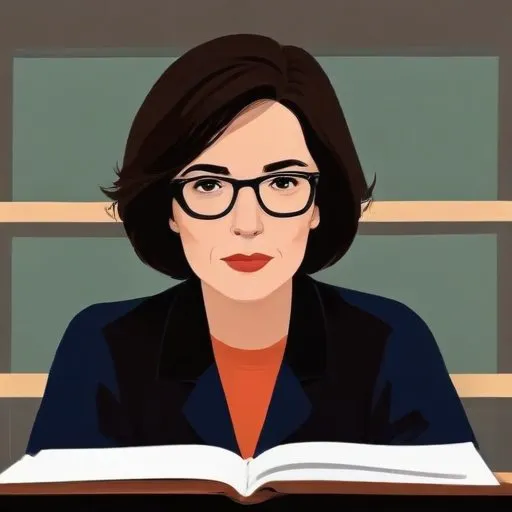
A pioneering writer and educator who explored themes of love, identity, and social justice through her novels and short stories, earning her a devoted literary following.
Boyle's educational background was diverse and eclectic, reflecting her interests in various fields. She attended the exclusive Shipley School in Bryn Mawr, Pennsylvania, before studying architecture at the Ohio Mechanics Institute in Cincinnati. She also studied violin at the Cincinnati Conservatory of Music, showcasing her love for the arts.
Boyle's literary achievements were recognized with several prestigious awards, including the Guggenheim Fellowship and the O. Henry Award. Her work was widely published in various literary magazines and journals, solidifying her reputation as a pioneering American writer.
Boyle's subsequent relationships with magazine editor Ernest Walsh and artist Laurence Vail were marked by tragedy and triumph. With Walsh, she had a daughter, Sharon, before his untimely death from tuberculosis. Her marriage to Vail, with whom she had three more children, was marked by creative collaborations and shared passions.
Boyle's philosophical beliefs were rooted in her conviction that literature had the power to inspire positive change. Her writing often explored themes of love, identity, and social justice, reflecting her deep commitment to creating a more equitable society.
Today, Boyle's work continues to resonate with readers and inspire new generations of writers. Her legacy serves as a testament to the power of literature to inspire social change and promote a more just and compassionate world.
"I have always felt that the true function of the writer is to be a kind of troubadour, to go around the country and sing the news."
"The only way to get anything done is to go ahead and do it."
"I have never been able to think of myself as a writer, simply because I have never been able to think of myself as anything else."
Boyle's commitment to social justice and her unwavering advocacy for civil rights, women's empowerment, and nuclear disarmament have left an indelible mark on modern society. Her legacy serves as a testament to the power of literature to inspire social change and promote a more just and compassionate world.
Born in 1899
A legendary writer who crafted sparse, powerful prose, capturing the human experience in novels like "The Old Man and the Sea" and "A Farewell to Arms".
Born in 1896
Author of novels and short stories that capture the essence of the Jazz Age, exploring themes of wealth, class, and the American Dream. Known for timeless classics like "The Great Gatsby" and "Tender Is the Night".
Born in 1874
A pioneering figure in modernist literature, known for experimental writing styles and influential salons that fostered artistic innovation. 82
Born in 1885
A pioneering modernist poet and critic who transformed 20th-century literature with innovative styles and provocative ideas, shaping the course of modern poetry.
Born in 1882
A pioneering modernist writer, known for experimental novels and short stories that explore the human experience, particularly in Dublin, Ireland. His works are celebrated for their complex, lyrical prose and innovative narrative structures.
Born in 1873
A pioneering modernist writer, credited with influencing 20th-century literature through experimental novels and poetry that explored the human condition. Known for his impressionistic style and complex characters.
Born in 1892
A pioneering figure in modernist literature, known for experimental and avant-garde works that explored themes of identity, sexuality, and morality.
Born in 1882
A pioneering poet and artist who blended futurism and feminism, creating innovative works that explored the human experience through unconventional forms and language.
