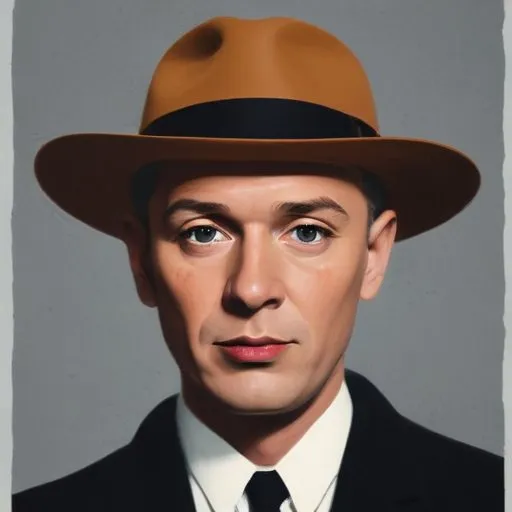
Kees van Dongen: The Fauvist Master of Sensuality and Color
Radical Colors and Forms
Kees van Dongen, a Dutch-French painter, was one of the leading figures of the Fauvist movement, known for his bold, vibrant, and expressive use of color. His works continue to mesmerize art enthusiasts with their seductive, at times garish, portrayals of women, dancers, and nightlife.
Early Influences and Development
Born in Delfshaven, Rotterdam, in 1877, van Dongen began his artistic journey at the Royal Academy of Fine Arts, studying under J. Striening and J.G. Heyberg. During this period, he frequented the Red Quarter seaport area, capturing the seedy underbelly of the city in his drawings. In 1897, he embarked on a brief sojourn to Paris, where he was exposed to the city's thriving artistic community. Upon his return to Rotterdam, he met Augusta Preitinger, a fellow painter and future wife.
The Fauvist Years (1905-1910)
Van Dongen's style underwent a radical transformation after his participation in the 1905 Salon d'Automne, a groundbreaking exhibition that shook the art world. His palette became more vivid, and his brushstrokes more expressive, as he explored the realms of pointillism. This period, marked by his fascination with nightlife, saw the creation of some of his most iconic works, characterized by their sensuality and vitality.
Portraits of Women and the Demimonde
Van Dongen's portraits of women, often depicted with a provocative, liberated air, are a testament to his fascination with the female form. His subjects, drawn from the world of dancers, singers, and courtesans, seemed to embody the modernity and freedom of the early 20th century. These works, with their bold colors and expressive lines, continue to captivate audiences, offering a glimpse into the private lives of the era's female icons.
Personal Life and Travels
Van Dongen's personal life was marked by a tumultuous marriage to Augusta, with whom he had two children. The family's frequent travels between Rotterdam, Paris, and the French Riviera provided the artist with a wealth of inspiration, as he continued to explore new techniques and themes.
Legacy and Impact
Kees van Dongen's artistic contributions extend far beyond his own oeuvre. As a key figure in the Fauvist movement, he paved the way for future generations of modern artists. His emphasis on color, form, and expressiveness can be seen in the works of artists as diverse as
Pablo Picasso,
Henri Matisse, and Salvador Dalí.
Quotations and Anecdotes
- Gertrude Stein, in her autobiography, credits van Dongen with introducing her to Pablo Picasso, sparking a lifelong friendship.
- Van Dongen's portrait of Fernande Olivier, a renowned artist's model, became the subject of controversy, as it was rumored to be the catalyst for his friend Picasso's departure from the Bateau-Lavoir artist collective.
Timeline of Major Works and Milestones
- 1905: Participates in the Salon d'Automne, marking the beginning of his Fauvist period.
- 1905-1910: Creates some of his most celebrated works, characterized by their sensuality and vitality.
- 1910s: Focuses on portraiture, capturing the essence of women from the demimonde.
- 1920s-1930s: Continues to explore new styles, experimenting with abstraction and surrealism.
- 1968: Passes away, leaving behind a legacy of vibrant, expressive works that continue to inspire artists and art lovers alike.
A Lasting Legacy
Kees van Dongen's artistry continues to fascinate audiences, offering a glimpse into the tumultuous, vibrant world of early 20th-century modernity. As a master of color, form, and sensuality, he left an indelible mark on the art world, inspiring generations to come.
FAQ
What was Kees van Dongens artistic style?
Kees van Dongens artistic style was characterized by its boldness, expressiveness, and sense of movement. He was a key figure in the Fauvist movement, a group of artists known for their vibrant, non-naturalistic use of color.
What were Kees van Dongens notable artistic works?
Kees van Dongens notable artistic works include his paintings of landscapes, still lifes, and portraits. His work often explored themes of modernity, urbanization, and the human condition.
What was Kees van Dongens relationship with other Fauvist artists?
Kees van Dongen was a close friend and colleague of other prominent Fauvist artists, including Henri Matisse and André Derain. The group collaborated on exhibitions and artistic projects, promoting the development of Fauvism.
How did Kees van Dongens artistic style evolve over time?
Kees van Dongens artistic style evolved from a more traditional, Realist approach to a more expressive, Fauvist style. He was influenced by his contemporaries, including Matisse and Derain, as well as by African and Asian art.
What was Kees van Dongens legacy in art?
Kees van Dongens legacy in art is that of a pioneering figure in the development of Fauvism. His bold, expressive paintings continue to inspire artists and art enthusiasts to this day.